Kirjojen hintavertailu. Mukana 12 390 323 kirjaa ja 12 kauppaa.

Kirjailija

Sarah Keller

Kirjat ja teokset yhdessä paikassa: 11 kirjaa, julkaisuja vuosilta 2005-2024, suosituimpien joukossa Maya Deren. Vertaile teosten hintoja ja tarkista saatavuus suomalaisista kirjakaupoista.

11 kirjaa

Kirjojen julkaisuhaarukka 2005-2024.

Maya Deren

Maya Deren

Sarah Keller

Columbia University Press
2014
pokkari
Maya Deren (1917-1961) was a Russian-born American filmmaker, theorist, poet, and photographer working at the forefront of the American avant-garde in the 1940s and 1950s. Influenced by Jean Cocteau and Marcel Duchamp, she is best known for her seminal film Meshes of the Afternoon (1943), a dream-like experiment with time and symbol, looped narrative and provocative imagery, setting the stage for the twentieth-century's groundbreaking aesthetic movements and films. Maya Deren assesses both the filmmaker's completed work and her numerous unfinished projects, arguing Deren's overarching aesthetic is founded on principles of incompletion, contingency, and openness. Combining the contrasting approaches of documentary, experimental, and creative film, Deren created a wholly original experience for film audiences that disrupted the subjectivity of cinema, its standards of continuity, and its dubious facility with promoting categories of realism. This critical retrospective reflects on the development of Deren's career and the productive tensions she initiated that continue to energize film.

Die Glasmalereien vom Mittelalter bis 1930 im Kanton Thurgau
For the first time in the history of the Swiss Corpus Vitrearum, this volume on the Canton of Thurgau also includes glass paintings from the 19th and 20th centuries. Whereas the study of the pre-1800 glass works provided insights into the traditions of donating stained glass in the Old Swiss Confederacy, a consideration of the more recent glass paintings sheds light on the aesthetic and technological aspects of stained-glass manufacturing during the period of historicism, art nouveau, and modernism. This includes an evaluation of sources from parish archives, yielding information on the origins of these younger stained-glass windows. The text volume complements a catalogue of more than 1,100 glass paintings from the 14th to the 21st century, published on the open-access platform of the Vitrocentre Romont (vitrosearch.ch).
Barbara Hammer

Barbara Hammer

Sarah Keller

Wayne State University Press
2021
nidottu
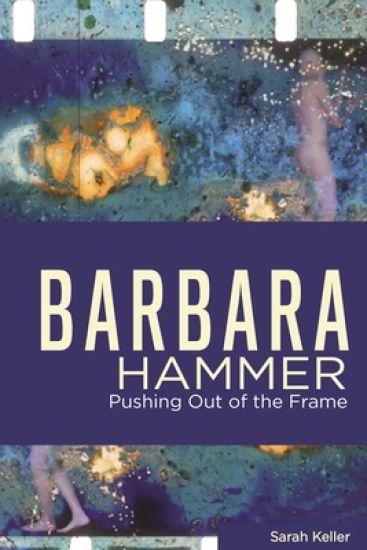
Barbara Hammer: Pushing Out of the Frame by Sarah Keller explores the career of experimental filmmaker and visual artist Barbara Hammer. Hammer first garnered attention in the early 1970s for a series of films representing lesbian subjects and subjectivity. Over the five decades that followed, she made almost a hundred films and solidified her position as a pioneer of queer experimental cinema and art. In the first chapter, Keller covers Hammer's late 1960s-1970s work and explores the tensions between the representation of women's bodies and contemporary feminist theory. In the second chapter, Keller charts the filmmaker's physical move from the Bay Area to New York City, resulting in shifts in her artistic mode. The third chapter turns to Hammer's primarily documentary work of the 1990s and how it engages with the places she travels, the people she meets, and the histories she explores. In the fourth chapter, Keller then considers Hammer's legacy, both through the final films of her career-which combine the methods and ideas of the earlier decades-and her efforts to solidify and shape the ways in which the work would be remembered. In the final chapter, excerpts from the author's interviews with Hammer during the last three years of her life offer intimate perspectives and reflections on her work from the filmmaker herself. Hammer's full body of work as a case study allows readers to see why a much broader notion of feminist production and artistic process is necessary to understand art made by women in the past half century. Hammer's work-classically queer and politically feminist-presses at the edges of each of those notions, pushing beyond the frames that would not contain her dynamic artistic endeavors. Keller's survey of Hammer's work is a vital text for students and scholars of film, queer studies, and art history.
Barbara Hammer

Barbara Hammer

Sarah Keller

Wayne State University Press
2021
sidottu
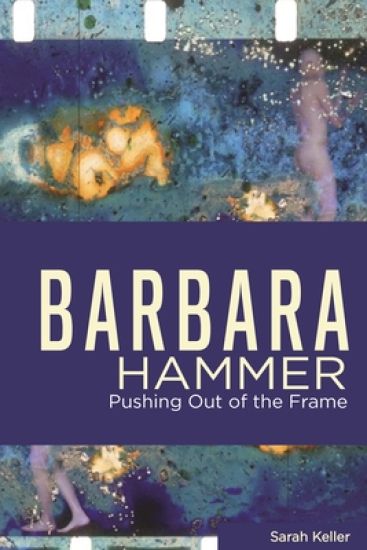
Barbara Hammer: Pushing Out of the Frame by Sarah Keller explores the career of experimental filmmaker and visual artist Barbara Hammer. Hammer first garnered attention in the early 1970s for a series of films representing lesbian subjects and subjectivity. Over the five decades that followed, she made almost a hundred films and solidified her position as a pioneer of queer experimental cinema and art. In the first chapter, Keller covers Hammer's late 1960s-1970s work and explores the tensions between the representation of women's bodies and contemporary feminist theory. In the second chapter, Keller charts the filmmaker's physical move from the Bay Area to New York City, resulting in shifts in her artistic mode. The third chapter turns to Hammer's primarily documentary work of the 1990s and how it engages with the places she travels, the people she meets, and the histories she explores. In the fourth chapter, Keller then considers Hammer's legacy, both through the final films of her career-which combine the methods and ideas of the earlier decades-and her efforts to solidify and shape the ways in which the work would be remembered. In the final chapter, excerpts from the author's interviews with Hammer during the last three years of her life offer intimate perspectives and reflections on her work from the filmmaker herself. Hammer's full body of work as a case study allows readers to see why a much broader notion of feminist production and artistic process is necessary to understand art made by women in the past half century. Hammer's work-classically queer and politically feminist-presses at the edges of each of those notions, pushing beyond the frames that would not contain her dynamic artistic endeavors. Keller's survey of Hammer's work is a vital text for students and scholars of film, queer studies, and art history.
Anxious Cinephilia

Anxious Cinephilia

Sarah Keller

Columbia University Press
2020
pokkari
The advent of new screening practices and viewing habits in the twenty-first century has spurred a public debate over what it means to be a “cinephile.” In Anxious Cinephilia, Sarah Keller places these competing visions in historical and theoretical perspective, tracing how the love of movies intertwines with anxieties over the content and impermanence of cinematic images.Keller reframes the history of cinephilia from the earliest days of film through the French New Wave and into the streaming era, arguing that love and fear have shaped the cinematic experience from its earliest days. This anxious love for the cinema marks both institutional practices and personal experiences, from the curation of the moviegoing experience to the creation of community and identity through film festivals to posting on social media. Through a detailed analysis of films and film history, Keller examines how changes in cinema practice and spectatorship create anxiety even as they inspire nostalgia. Anxious Cinephilia offers a new theoretical approach to the relationship between spectator and cinema and reimagines the concept of cinephilia to embrace its diverse forms and its uncertain future.
Anxious Cinephilia

Anxious Cinephilia

Sarah Keller

Columbia University Press
2020
sidottu
The advent of new screening practices and viewing habits in the twenty-first century has spurred a public debate over what it means to be a “cinephile.” In Anxious Cinephilia, Sarah Keller places these competing visions in historical and theoretical perspective, tracing how the love of movies intertwines with anxieties over the content and impermanence of cinematic images.Keller reframes the history of cinephilia from the earliest days of film through the French New Wave and into the streaming era, arguing that love and fear have shaped the cinematic experience from its earliest days. This anxious love for the cinema marks both institutional practices and personal experiences, from the curation of the moviegoing experience to the creation of community and identity through film festivals to posting on social media. Through a detailed analysis of films and film history, Keller examines how changes in cinema practice and spectatorship create anxiety even as they inspire nostalgia. Anxious Cinephilia offers a new theoretical approach to the relationship between spectator and cinema and reimagines the concept of cinephilia to embrace its diverse forms and its uncertain future.
Maya Deren

Maya Deren

Sarah Keller

Columbia University Press
2014
sidottu
Maya Deren (1917-1961) was a Russian-born American filmmaker, theorist, poet, and photographer working at the forefront of the American avant-garde in the 1940s and 1950s. Influenced by Jean Cocteau and Marcel Duchamp, she is best known for her seminal film Meshes of the Afternoon (1943), a dream-like experiment with time and symbol, looped narrative and provocative imagery, setting the stage for the twentieth-century's groundbreaking aesthetic movements and films. Maya Deren assesses both the filmmaker's completed work and her numerous unfinished projects, arguing Deren's overarching aesthetic is founded on principles of incompletion, contingency, and openness. Combining the contrasting approaches of documentary, experimental, and creative film, Deren created a wholly original experience for film audiences that disrupted the subjectivity of cinema, its standards of continuity, and its dubious facility with promoting categories of realism. This critical retrospective reflects on the development of Deren's career and the productive tensions she initiated that continue to energize film.