
Kirjailija
Sarah Manguso
Kirjat ja teokset yhdessä paikassa: 20 kirjaa, julkaisuja vuosilta 2002-2026, suosituimpien joukossa Ongoingness. Vertaile teosten hintoja ja tarkista saatavuus suomalaisista kirjakaupoista.
20 kirjaa
Kirjojen julkaisuhaarukka 2002-2026.
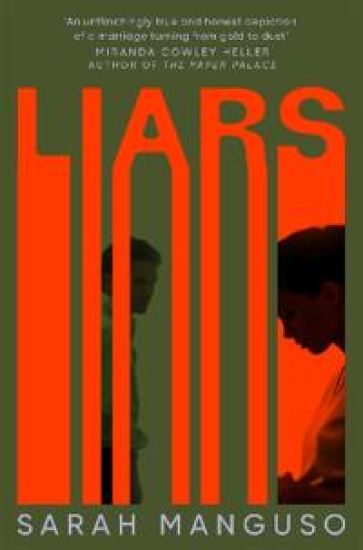
A searing novel about being a wife, a mother, and an artist, and how marriage makes liars of us all.'An unflinchingly true and honest depiction of a marriage turning from gold to dust' – Miranda Cowley Heller, author of The Paper Palace'A white-hot dissection of the power imbalances in a marriage, and as gripping as you want fiction to be. Any spouse that has ever argued about money, time, work and childcare should read it' – Nick Hornby, author of High FidelityA nuclear family can destroy a woman artist. I’d always known that. But I’d never suspected how easily I’d fall into one anyway.When Jane, an aspiring writer, meets filmmaker John Bridges, they both want the same things: to be in love, to live a successful, creative life, and to be happy. When they marry, Jane believes she has found everything she was looking for, including – a few years later – all the attendant joys and labors of motherhood. But it’s not long until Jane finds herself subsumed by John’s ambitions, whims, and ego; in short, she becomes a wife.As Jane’s career flourishes, their marriage starts to falter. Throughout the upheavals of family life, Jane tries to hold it all together. That is, until John leaves her.Sarah Manguso's Liars is a tour de force of wit and rage, telling the blistering story of a marriage as it burns to the ground, and of a woman rising inexorably from its ashes.'Painful and brilliant – I loved it' – Elif Batuman, author of The Idiot and Either/Or
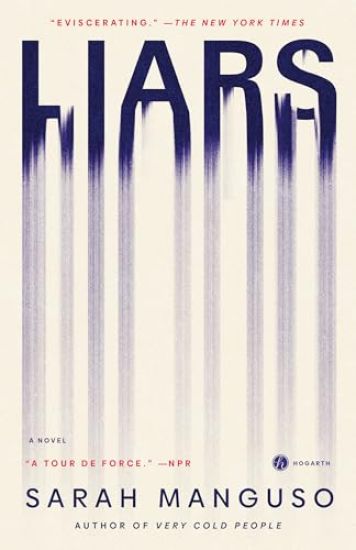
An "eviscerating" (The New York Times) novel about being a wife, a mother, and an artist, and how marriage makes liars of us all--from the author of Very Cold People and 300 Arguments FINALIST FOR THE JOYCE CAROL OATES PRIZE - SHORTLISTED FOR THE CAROL SHIELDS PRIZE FOR FICTION - A BEST BOOK OF THE YEAR: NPR, Los Angeles Times, Town & Country, Lit Hub, Chicago Public Library "Is divorce the new marriage plot? . . . Liars] pulses with a rare kind of anger, making it a compulsive, unforgettable read. Love stories, it seems, are out. Divorce as liberation? Very much in."--Vogue "A tour de force . . . Liars makes an old story fresh."--NPR "A bracing story of a woman on the verge."--Kirkus Reviews (starred review) A nuclear family can destroy a woman artist. I'd always known that. But I'd never suspected how easily I'd fall into one anyway. When Jane, an aspiring writer, meets filmmaker John Bridges, they both want the same things: to be in love, to live a successful, creative life, and to be happy. When they marry, Jane believes she has found everything she was looking for, including--a few years later--all the attendant joys and labors of motherhood. But it's not long until Jane finds herself subsumed by John's ambitions, whims, and ego; in short, she becomes a wife. As Jane's career flourishes, their marriage starts to falter. Throughout the upheavals of family life, Jane tries to hold it all together. That is, until John leaves her. Liars is a tour de force of wit and rage, telling the blistering story of a marriage as it burns to the ground, and of a woman rising inexorably from its ashes.
Do Dogs Have Chins? And Other Questions Without Answers
Sarah Manguso
John Murray Press
2025
sidottu
Pondering the questions only kids would think to ask, this hilarious, poignant collection captures the wonder of a child's imagination, brought to life by beloved New Yorker cartoonist Liana Finck.'A chance to leave all adult frippery behind and ponder what's really important - our children have known it all along. This book is cleansing, reassuring, funny, and frequently profound; I loved it'. Susie DentWhy does a ghost wander? Are bubbles in drinks their thoughts? Do dogs have chins? Where does the dark go when the light comes on? How will it feel on the last day I'm a child?What's the best question a kid ever asked you? When Sarah Manguso posted this question online, she immediately received hundreds of answers. Gathering more than one hundred of the best questions from this poll and bringing them brilliantly to life with illustrations by New Yorker cartoonist Liana Finck, Do Dogs Have Chins? ranges from the ridiculous to the sublime - encompassing birth, death, love dinosaurs, and everything in between - to show us the wit and wisdom of children in all their wondrous glory.'This book is for anyone who has secret questions in their mind they are too embarrassed to ask out loud. In other words, this book is for everyone' Lemony Snicket, bestselling author of A Series of Unfortunate Events and All the Wrong Questions
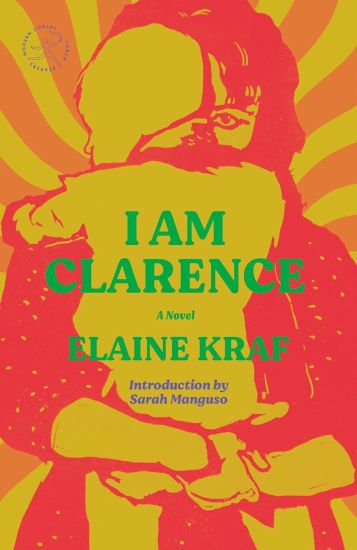
A haunting novel exploring a mother's fierce love for her disabled son as she grapples with her own mental health, by the author of the feminist cult classic The Princess of 72nd Street According to Dr. Hovenclock, health meant wanting things. What would I have to pretend to want before he would let me leave? I longed to return to Clarence. For Clarence's mother, life revolves around her young son; she takes him to see specialists to find the cause of his blindness and developmental delays, protects him from the cruelty of other children, and loves him tenderly. But she has her own struggles too. Her sanity is precarious and fractured, making caregiving increasingly difficult. When her mental health reaches a breaking point, she checks herself into an institution so that she can get better and, she tells herself, be a better mother to Clarence. As she is forced to decide between his well-being and hers, Elaine Kraf poses the essential question: Can a mother's love for her child soothe her own emotional upheaval? How much can she sacrifice for her son? Through this unforgettable journey into one woman's mind and relationships, Kraf paints a harrowing portrait of motherhood which remains timely and inventive over fifty years after its initial publication.
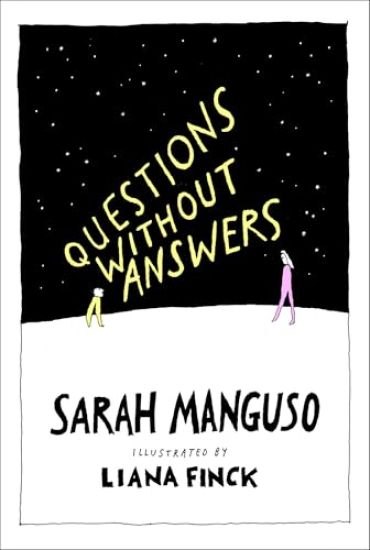
Pondering the questions only kids would think to ask, this hilarious, poignant collection captures the wonder of a child's imagination, brought to life by beloved New Yorker cartoonist Liana Finck. "This book is for anyone who has secret questions in their mind they are too embarrassed to ask out loud. In other words, this book is for everyone."--Lemony Snicket, bestselling author of A Series of Unfortunate Events and All the Wrong Questions Why does a ghost wander? Are bubbles in drinks their thoughts? Do dogs have chins? Where does the dark go when the light comes on? How will it feel on the last day I'm a child? What's the best question a kid ever asked you? When Sarah Manguso opened a Twitter account and posted this single (and only) tweet, she immediately received hundreds of answers. Many, she discovered, were intelligent, intuitive, inventive, and philosophical. For Manguso, these responses seemed to form a "choral philosophy" that she believes disappears from most people's lives in kindergarten. As she says in her illuminating foreword, "These questions are cute by the word's original definition, swift and piercing. They cut to the quick." Gathering more than one hundred of the best questions from this poll and bringing them brilliantly to life with illustrations by New Yorker cartoonist Liana Finck, Questions Without Answers ranges from the ridiculous to the sublime--encompassing birth, death, poop, dinosaurs, and everything in between--to show us the wit and wisdom of little people in all their wondrous glory.
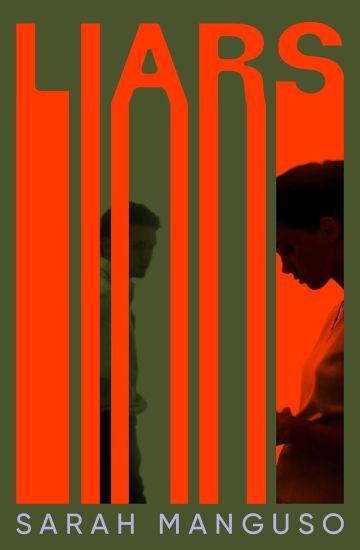
A searing novel about being a wife, a mother, and an artist, and how marriage makes liars of us all.'An unflinchingly true and honest depiction of a marriage turning from gold to dust ' – Miranda Cowley Heller, author of The Paper Palace'A white-hot dissection of the power imbalances in a marriage, and as gripping as you want fiction to be.' – Nick Hornby, author of High FidelityA nuclear family can destroy a woman artist. I’d always known that. But I’d never suspected how easily I’d fall into one anyway.When Jane, an aspiring writer, meets filmmaker John Bridges, they both want the same things: to be in love, to live a successful, creative life, and to be happy. When they marry, Jane believes she has found everything she was looking for, including – a few years later – all the attendant joys and labors of motherhood. But it’s not long until Jane finds herself subsumed by John’s ambitions, whims, and ego; in short, she becomes a wife.As Jane’s career flourishes, their marriage starts to falter. Throughout the upheavals of family life, Jane tries to hold it all together. That is, until John leaves her.Sarah Manguso's Liars is a tour de force of wit and rage, telling the blistering story of a marriage as it burns to the ground, and of a woman rising inexorably from its ashes.'Painful and brilliant – I loved it' – Elif Batuman, author of The Idiot and Either/Or
An "eviscerating" (The New York Times) novel about being a wife, a mother, and an artist, and how marriage makes liars of us all--from the author of Very Cold People and 300 Arguments FINALIST FOR THE JOYCE CAROL OATES PRIZE - SHORTLISTED FOR THE CAROL SHIELDS PRIZE FOR FICTION - A BEST BOOK OF THE YEAR: NPR, Los Angeles Times, Town & Country, Lit Hub, Chicago Public Library "Is divorce the new marriage plot? . . . Liars] pulses with a rare kind of anger, making it a compulsive, unforgettable read. Love stories, it seems, are out. Divorce as liberation? Very much in."--Vogue "A tour de force . . . Liars makes an old story fresh."--NPR "A bracing story of a woman on the verge."--Kirkus Reviews (starred review) A nuclear family can destroy a woman artist. I'd always known that. But I'd never suspected how easily I'd fall into one anyway. When Jane, an aspiring writer, meets filmmaker John Bridges, they both want the same things: to be in love, to live a successful, creative life, and to be happy. When they marry, Jane believes she has found everything she was looking for, including--a few years later--all the attendant joys and labors of motherhood. But it's not long until Jane finds herself subsumed by John's ambitions, whims, and ego; in short, she becomes a wife. As Jane's career flourishes, their marriage starts to falter. Throughout the upheavals of family life, Jane tries to hold it all together. That is, until John leaves her. Liars is a tour de force of wit and rage, telling the blistering story of a marriage as it burns to the ground, and of a woman rising inexorably from its ashes.
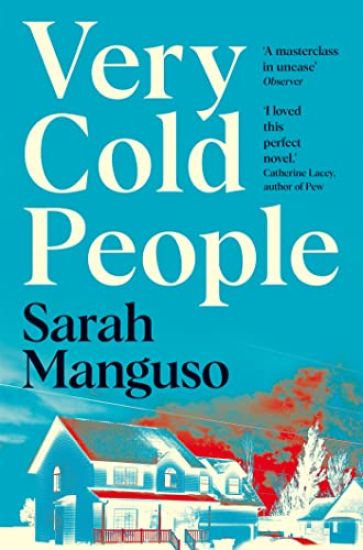
Guardian's Best Fiction of the Year'One of the most original and exciting writers working in English today' - Jhumpa LahiriOnce home to the country's most illustrious families, Waitsfield, Massachusetts, is now an unforgiving place awash with secrets. Forged in this frigid landscape, Ruthie learns how the town's prim facade conceals a deeper, darker history and how silence often masks a legacy of harm - from the violence that runs down the family line to the horrors endured by her high school friends.In Very Cold People Sarah Manguso reveals the suffocating constraints of growing up in a very old, and very cold, small town. Here lies a vital confrontation with an all-American whiteness where the ice of emotional restraint meets the embers of smouldering rage . . .'Chilling . . . deeply impressive' - Guardian'A masterclass in unease' - The ObserverLonglisted for the Wingate Prize 2023
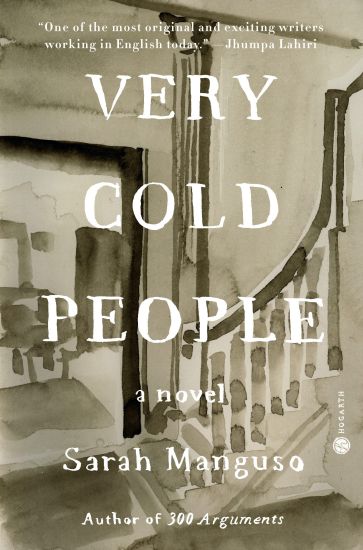
NEW YORK TIMES EDITORS' CHOICE - The masterly debut novel from "an exquisitely astute writer" (The Boston Globe), about growing up in--and out of--the suffocating constraints of small-town America. LONGLISTED FOR THE PEN/JEAN STEIN BOOK AWARD - "Compact and beautiful . . . This novel bordering on a novella punches above its weight."--The New York Times "Very Cold People reminded me of My Brilliant Friend."--The New YorkerONE OF THE BEST BOOKS OF THE YEAR: The New Yorker, NPR, Los Angeles Times, The Guardian, Good Housekeeping "My parents didn't belong in Waitsfield, but they moved there anyway."For Ruthie, the frozen town of Waitsfield, Massachusetts, is all she has ever known. Once home to the country's oldest and most illustrious families--the Cabots, the Lowells: the "first, best people"--by the tail end of the twentieth century, it is an unforgiving place awash with secrets. Forged in this frigid landscape Ruthie has been dogged by feelings of inadequacy her whole life. Hers is no picturesque New England childhood but one of swap meets and factory seconds and powdered milk. Shame blankets her like the thick snow that regularly buries nearly everything in Waitsfield. As she grows older, Ruthie slowly learns how the town's prim facade conceals a deeper, darker history, and how silence often masks a legacy of harm--from the violence that runs down the family line to the horrors endured by her high school friends, each suffering a fate worse than the last. For Ruthie, Waitsfield is a place to be survived, and a girl like her would be lucky to get out alive. In her eagerly anticipated debut novel, Sarah Manguso has written, with characteristic precision, a masterwork on growing up in--and out of--the suffocating constraints of a very old, and very cold, small town. At once an ungilded portrait of girlhood at the crossroads of history and social class as well as a vital confrontation with an all-American whiteness where the ice of emotional restraint meets the embers of smoldering rage, Very Cold People is a haunted jewel of a novel from one of our most virtuosic literary writers.

Acclaimed writer Sarah Manguso makes her fiction debut with an icy, furious novel about the way in which a society can ignore and enable the abuse of young women, narrated by the daughter of just such an abusive mother.
NEW YORK TIMES EDITORS' CHOICE - The masterly debut novel from "an exquisitely astute writer" (The Boston Globe), about growing up in--and out of--the suffocating constraints of small-town America. LONGLISTED FOR THE PEN/JEAN STEIN BOOK AWARD - "Compact and beautiful . . . This novel bordering on a novella punches above its weight."--The New York Times "Very Cold People reminded me of My Brilliant Friend."--The New YorkerONE OF THE BEST BOOKS OF THE YEAR: The New Yorker, NPR, Los Angeles Times, The Guardian, Good Housekeeping "My parents didn't belong in Waitsfield, but they moved there anyway."For Ruthie, the frozen town of Waitsfield, Massachusetts, is all she has ever known. Once home to the country's oldest and most illustrious families--the Cabots, the Lowells: the "first, best people"--by the tail end of the twentieth century, it is an unforgiving place awash with secrets. Forged in this frigid landscape Ruthie has been dogged by feelings of inadequacy her whole life. Hers is no picturesque New England childhood but one of swap meets and factory seconds and powdered milk. Shame blankets her like the thick snow that regularly buries nearly everything in Waitsfield. As she grows older, Ruthie slowly learns how the town's prim facade conceals a deeper, darker history, and how silence often masks a legacy of harm--from the violence that runs down the family line to the horrors endured by her high school friends, each suffering a fate worse than the last. For Ruthie, Waitsfield is a place to be survived, and a girl like her would be lucky to get out alive. In her eagerly anticipated debut novel, Sarah Manguso has written, with characteristic precision, a masterwork on growing up in--and out of--the suffocating constraints of a very old, and very cold, small town. At once an ungilded portrait of girlhood at the crossroads of history and social class as well as a vital confrontation with an all-American whiteness where the ice of emotional restraint meets the embers of smoldering rage, Very Cold People is a haunted jewel of a novel from one of our most virtuosic literary writers.
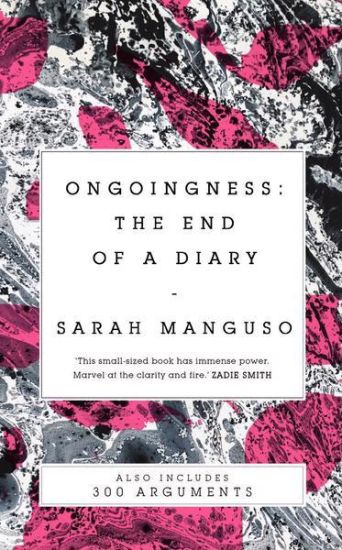
'This small-sized book has immense power. Marvel at the clarity and fire.' Zadie Smith'Jam-packed with insights you'll want to both text to your friends and tattoo on your skin' Celeste NgA combined book of two daring works by Sarah Manguso, presented together in a rare reversible single edition.300 ARGUMENTSThink of this as a short book composed entirely of what I hoped would be a long book’s quotable passages.300 Arguments by Sarah Manguso is at first glance a group of unrelated aphorisms, but the pieces reveal themselves as a masterful arrangement that steadily gathers power. Manguso’s arguments about writing, desire, ambition, relationships, and failure are pithy, unsentimental, and defiant, and they add up to an unexpected and renegade wisdom literature. Lines you will underline, write in notebooks and read to the person sitting next to you, that will drift back into your mind as you try to get to sleep.'300 Arguments reads like you've jumped into someone's mind.' NPRONGOINGNESS: THE END OF THE DIARYIn Ongoingness, Sarah Manguso continues to define the contours of the contemporary essay. In it, she confronts a meticulous diary that she has kept for twenty-five years. ‘I wanted to end each day with a record of everything that had ever happened,’ she explains. But this simple statement belies a terror that she might forget something, that she might miss something important. Maintaining that diary, now eight hundred thousand words, had become, until recently, a kind of spiritual practice.Then Manguso became pregnant and had a child, and these two Copernican events generated an amnesia that put her into a different relationship with the need to document herself amid ongoing time.Ongoingness is a spare, meditative work that stands in stark contrast to the volubility of the diary – it is a haunting account of mortality and impermanence, of how we struggle to find clarity in the chaos of time that rushes around and over and through us.
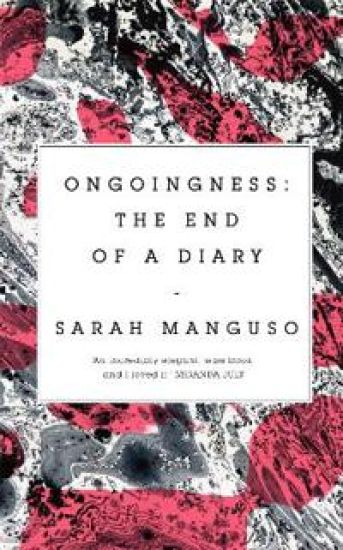
'This small-sized book has immense power. Marvel at the clarity and fire.' Zadie SmithSarah Manguso kept a meticulous diary for twenty-five years. ‘I wanted to end each day with a record of everything that had ever happened,’ she explains. But this simple statement conceals a terror that she might miss out something important. Maintaining that diary became a daily attempt to remember every detail, to stop the passage of time. Then Manguso became pregnant and had a child, and these two events slowly and irrevocably changed her relationship to her life and also to her diary. In this moving memoir Sarah Manguso confesses her life long struggle to let go. Ongoingness is a beautiful, daring and honest and shifting work that grapples with writing and motherhood.
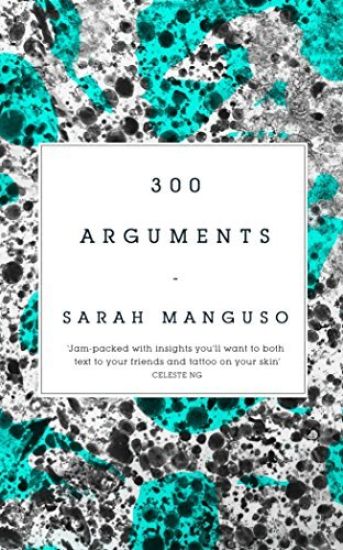
'Jam-packed with insights you'll want to both text to your friends and tattoo on your skin . . . A sweeping view of a human mind trying to make order of the world around us.' Celeste Ng, author of Little Fires EverywhereThink of this as a short book composed entirely of what I hoped would be a long book’s quotable passages.300 Arguments by Sarah Manguso is at first glance a group of unrelated aphorisms, but the pieces reveal themselves as a masterful arrangement that steadily gathers power. Manguso’s arguments about writing, desire, ambition, relationships, and failure are pithy, unsentimental, and defiant, and they add up to an unexpected and renegade wisdom literature. Lines you will underline, write in notebooks and read to the person sitting next to you, that will drift back into your mind as you try to get to sleep.'300 Arguments reads like you've jumped into someone's mind.' NPR

"Jam-packed with insights you'll want to both text to your friends and tattoo on your skin....A sweeping view of a human mind trying to make order of the world around us."--Celeste Ng, author of Little Fires Everywhere There will come a time when people decide you've had enough of your grief, and they'll try to take it away from you. Bad art is from no one to no one. Am I happy? Damned if I know, but give me a few minutes and I'll tell you whether you are. Thank heaven I don't have my friends' problems. But sometimes I notice an expression on one of their faces that I recognize as secret gratitude. I read sad stories to inoculate myself against grief. I watch action movies to identify with the quick-witted heroes. Both the same fantasy: I'll escape the worst of it. --from 300 Arguments A "Proustian minimalist on the order of Lydia Davis" (Kirkus Reviews), Sarah Manguso is one of the finest literary artists at work today. To read her work is to witness acrobatic acts of compression in the service of extraordinary psychological and spiritual insight. 300 Arguments, a foray into the frontier of contemporary nonfiction writing, is at first glance a group of unrelated aphorisms. But, as in the work of David Markson, the pieces reveal themselves as a masterful arrangement that steadily gathers power. Manguso's arguments about desire, ambition, relationships, and failure are pithy, unsentimental, and defiant, and they add up to an unexpected and renegade wisdom literature.
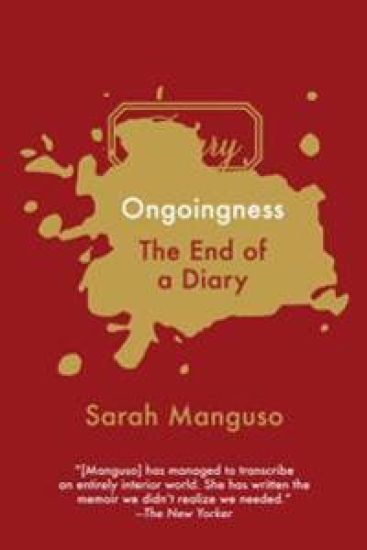
" Manguso] has written the memoir we didn't realize we needed." --The New Yorker In Ongoingness, Sarah Manguso continues to define the contours of the contemporary essay. In it, she confronts a meticulous diary that she has kept for twenty-five years. "I wanted to end each day with a record of everything that had ever happened," she explains. But this simple statement belies a terror that she might forget something, that she might miss something important. Maintaining that diary, now eight hundred thousand words, had become, until recently, a kind of spiritual practice. Then Manguso became pregnant and had a child, and these two Copernican events generated an amnesia that put her into a different relationship with the need to document herself amid ongoing time. Ongoingness is a spare, meditative work that stands in stark contrast to the volubility of the diary--it is a haunting account of mortality and impermanence, of how we struggle to find clarity in the chaos of time that rushes around and over and through us. "Bold, elegant, and honest . . . Ongoingness reads variously as an addict's testimony, a confession, a celebration, an elegy." --The Paris Review "Manguso captures the central challenge of memory, of attentiveness to life . . . A spectacularly and unsummarizably rewarding read." --Maria Popova, Brain Pickings

The Guardians opens with a story from the July 24, 2008, edition of the Riverdale Press that begins, "An unidentified white man was struck and instantly killed by a Metro-North train last night as it pulled into the station on West 254th Street." Sarah Manguso writes: "The train's engineer told the police that the man was alone and that he jumped. The police officers pulled the body from the track and found no identification. The train's 425 passengers were transferred to another train and delayed about twenty minutes." The Guardians is an elegy for Manguso's friend Harris, two years after he escaped from a psychiatric hospital and jumped under that train. The narrative contemplates with unrelenting clarity their crowded postcollege apartment, Manguso's fellowship year in Rome, Harris's death and the year that followed--the year of mourning and the year of Manguso's marriage. As Harris is revealed both to the reader and to the narrator, the book becomes a monument to their intimacy and inability to express their love to each other properly, and to the reverberating effects of Harris's presence in and absence from Manguso's life. There is grief in the book but also humor, as Manguso marvels at the unexpected details that constitute a friendship.The Guardians explores the insufficiency of explanation and the necessity of the imagination in making sense of anything.
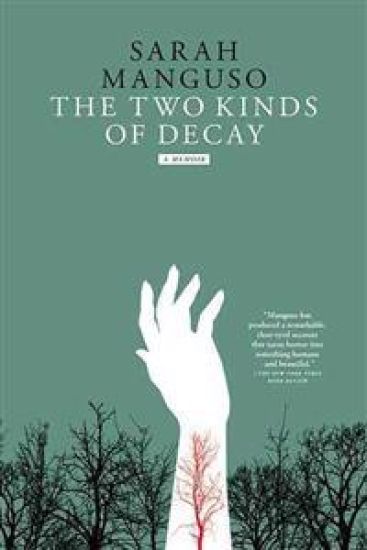
"Manguso has produced a remarkable, clear-eyed account that turns horror into something humane and beautiful."--The New York Times Book ReviewA book of tremendous grace and self-awareness, Sarah Manguso's The Two Kinds of Decay transcends the very notion of what an illness story can and should be. The events that began in 1995 might keep happening to me as long as things can happen to me. Think of deep space, through which heavenly bodies fly forever. They fly until they change into new forms, simpler forms, with ever fewer qualities and increasingly beautiful names. There are names for things in spacetime that are nothing, for things that are less than nothing. White dwarfs, red giants, black holes, singularities. But even then, in their less-than-nothing state, they keep happening. At twenty-one, just starting to comprehend the puzzles of adulthood, Sarah Manguso was faced with another: a wildly unpredictable disease that appeared suddenly and tore through her twenties, vanishing and then returning, paralyzing her for weeks at a time, programming her first to expect nothing from life and then, furiously, to expect everything. In this captivating story, Manguso recalls her nine-year struggle: arduous blood cleansings, collapsed veins, multiple chest catheters, the deaths of friends and strangers, addiction, depression, and, worst of all for a writer, the trite metaphors that accompany prolonged illness.
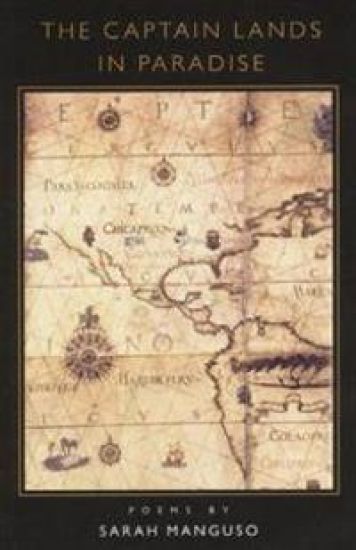
Sarah Manguso's first collection, a combination of verse and prose poems, explores love, nostalgia, remorse, and the joyful and mysterious preparation for the discoveries of new lands, selves, and ideas. The voice is consistently spare, honest, understated, and eccentric.