Kirjojen hintavertailu. Mukana 12 460 715 kirjaa ja 12 kauppaa.

Kirjailija

Sarah Ridley

Kirjat ja teokset yhdessä paikassa: 101 kirjaa, julkaisuja vuosilta 2011-2026, suosituimpien joukossa My Life Online. Vertaile teosten hintoja ja tarkista saatavuus suomalaisista kirjakaupoista.

101 kirjaa

Kirjojen julkaisuhaarukka 2011-2026.

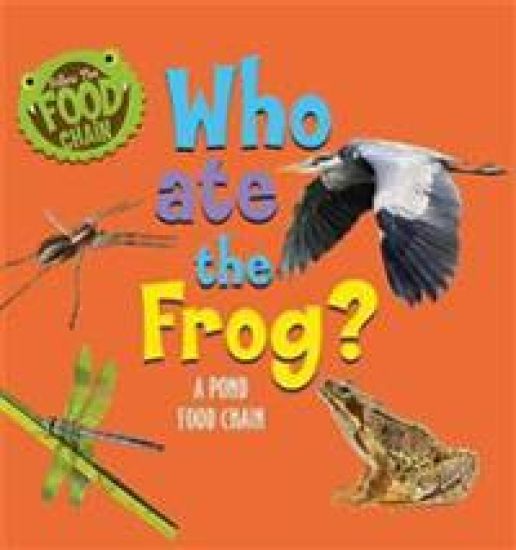
Follow the Food Chain: Who Ate the Frog?
All living things need food to give them energy to live. Plants that make their own food and animals that eat plants or other plant-eating animals are linked together by many different food chains. This book looks at a pond food chain. The text introduces young children to the scientific vocabulary associated with food chains and big, beautiful photographs bring the pond food chain to life.The Follow the Food Chain series helps children aged 6 and up to explore food chains and webs in a range of habitats, from an ocean to a pond and from a rainforest to a desert. Titles in the 4-book series are: Who Ate the Butterfly?, Who Ate the Frog?, Who Ate the Penguin? and Who Ate the Snake?.
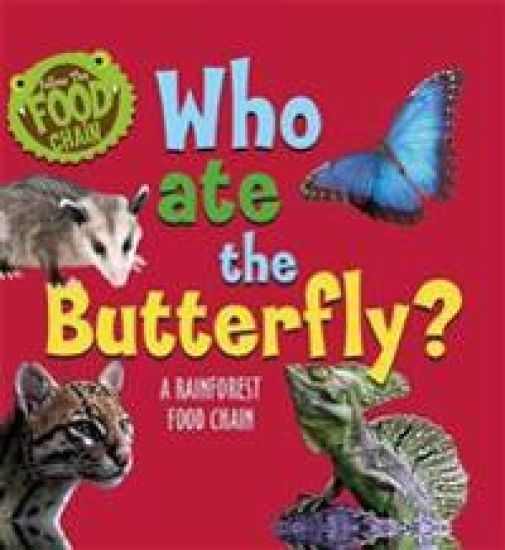
Follow the Food Chain: Who Ate the Butterfly?
All living things need food to give them energy to live. Plants that make their own food and animals that eat plants or other plant-eating animals are linked together by many different food chains. This book looks at a food chain in a Central American rainforest. The text introduces young children to the scientific vocabulary associated with food chains and big, beautiful photographs bring the rainforest food chain to life.The Follow the Food Chain series helps children aged 6 and up to explore food chains and webs in a range of habitats, from an ocean to a pond and from a rainforest to a desert. Titles in the 4-book series are: Who Ate the Butterfly?, Who Ate the Frog?, Who Ate the Penguin? and Who Ate the Snake?.

Tell Me What You Remember: Sport

Tell Me What You Remember: Sport

Sarah Ridley

Franklin Watts Ltd
2019
nidottu
Explore changes in recent history through people's memories, and personal and archive photographs.Many people remember sporting events - whether they were watching them or participating. This book gives young children access to people's memories alongside photographs to help them build up a picture of the past. From sport at school to big sporting events such as the 1966 Football World Cup, young children can explore what has changed and what remains the same.The book is part of the 'Tell me what you remember' series, which explores changes in living memory through photographs and memories. It is a perfect teaching tool for KS1 or for children up to aged 5+. Titles include Clothes, Family Life, Food, Pastime and Toys, School and Sport.
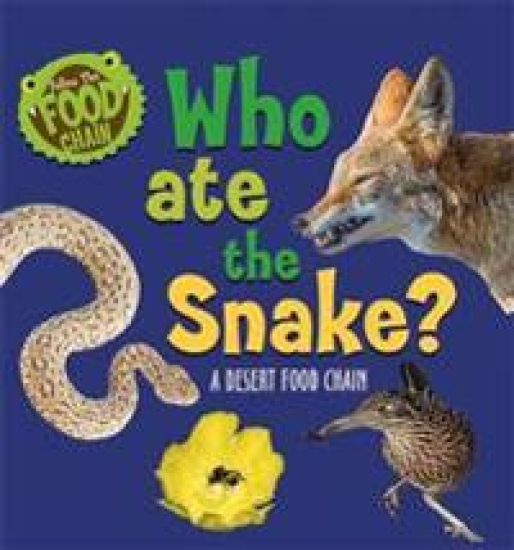
Follow the Food Chain: Who Ate the Snake?
All living things need food to give them energy to live. Plants that make their own food and animals that eat plants or other plant-eating animals are linked together by many different food chains. This book looks at a desert food chain in Arizona, USA. The text introduces young children to the scientific vocabulary associated with food chains and big, beautiful photographs bring the desert food chain to life.The Follow the Food Chain series helps children aged 6 and up to explore food chains and webs in a range of habitats, from an ocean to a pond and from a rainforest to a desert. Titles in the 4-book series are: Who Ate the Butterfly?, Who Ate the Frog?, Who Ate the Penguin? and Who Ate the Snake?.
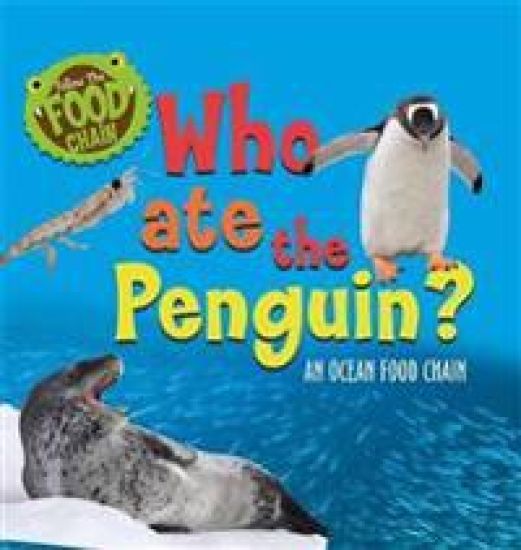
Follow the Food Chain: Who Ate the Penguin?
All living things need food to give them energy to live. Plants that make their own food and animals that eat plants or other plant-eating animals are linked together by many different food chains. This book looks at an ocean food chain in Antarctica. The text introduces young children to the scientific vocabulary associated with food chains and big, beautiful photographs bring the ocean food chain to life.The Follow the Food Chain series helps children aged 6 and up to explore food chains and webs in a range of habitats, from an ocean to a pond and from a rainforest to a desert. Titles in the 4-book series are: Who Ate the Butterfly?, Who Ate the Frog?, Who Ate the Penguin? and Who Ate the Snake?.
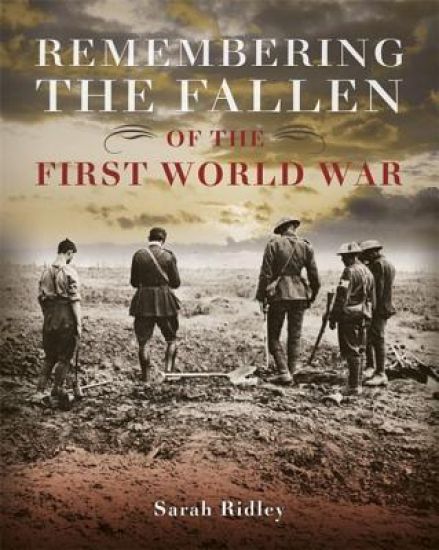
Remembering the Fallen of the First World War

Remembering the Fallen of the First World War

Sarah Ridley

Franklin Watts Ltd
2019
nidottu
REMEMBERING THE FALLEN OF THE FIRST WORLD WAR takes a fascinating and detailed look at how servicemen killed during the First World War were commemorated. Beginning during the war itself, the book investigates the options available at the time - repatriation and normal burial were intially considered, but the sheer number of the dead precluded this, so cemeteries close to the battlefields became the only realistic option. The book chronicles the work of Sir Fabian Ware and the Imperial (now Commonwealth) War Graves Commission in setting up permanent and beautifully maintained cemeteries after the war as well as local war memorials, plaques in churches, books of remembrance and so forth. The book also includes poetry written and artwork created to honour the fallen, and offers advice on how young readers can find their ancestors' war graves. A must-have book on World War One for ages 11 and up.
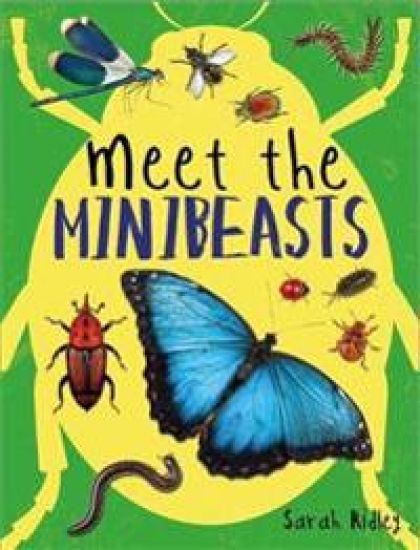
Meet the Minibeasts

Meet the Minibeasts

Sarah Ridley

Wayland
2019
sidottu
Become a minibeast expert with this easy-to-understand guide to the wonderful and important creatures that live beside us. Have you ever wondered what the difference between a moth and a butterfly is? Or have you ever thought about how bees live together? This fascinating and comprehensive book for children aged 6+ is full of interesting facts and brilliant photographs. It also features guides to spotting your favourite minibeast in their natural habitats.Minibeasts covered: ants, aphids, bees, beetles, bugs, butterflies, centipedes, cicadas, crickets, damselflies, dragonflies, earwigs, flies, grasshoppers, harvestmen, millipedes, mites, moths, pond skaters, slugs, snails, spiders, termites, ticks, wasps, woodlice, worms.
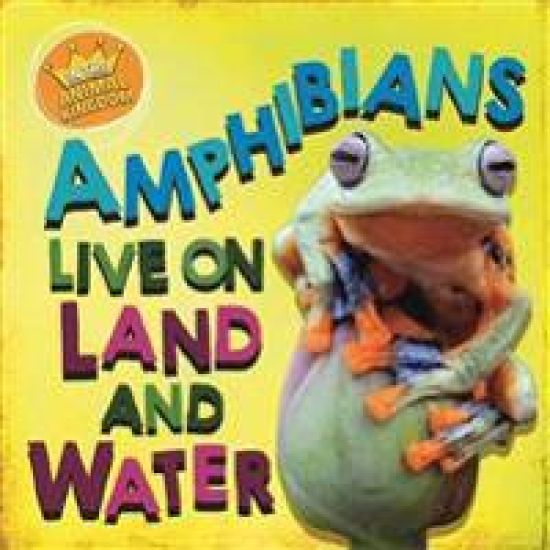
In the Animal Kingdom: Amphibians Live on Land and in Water
This book explores what makes an animal an amphibian - how their characteristics are different from other groups of animals. It shows many examples of different types of amphibian in their natural environment. The simple text, suitable for children aged 5+, is accompanied by large, attractive photographs. For children progressing through book bands it is suitable for reading at level 8: Purple.This book is part of the 'In the Animal Kingdom' series which explores the classification of animals. Why not look for them all: Amphibians Live on Land and in Water; Birds Have Feathers; Fish Live in Water; Reptiles Have Scaly Skin; Invertebrates Have No Backbone; Mammals Have Hair.
In the Animal Kingdom: Fish Live in Water
This book explores what makes an animal a fish - how their characteristics are different from other groups of animals. It shows many examples of different types of fish in their natural environment. The simple text, suitable for children aged 5+, is accompanied by large, attractive photographs. For children progressing through book bands it is suitable for reading at level 7: Turquoise.This book is part of the 'In the Animal Kingdom' series which explores the classification of animals. Why not look for them all: Amphibians Live on Land and Water; Birds Have Feathers; Fish Live in Water; Reptiles Have Scaly Skin; Invertebrates Have No Backbone; Mammals Have Hair.
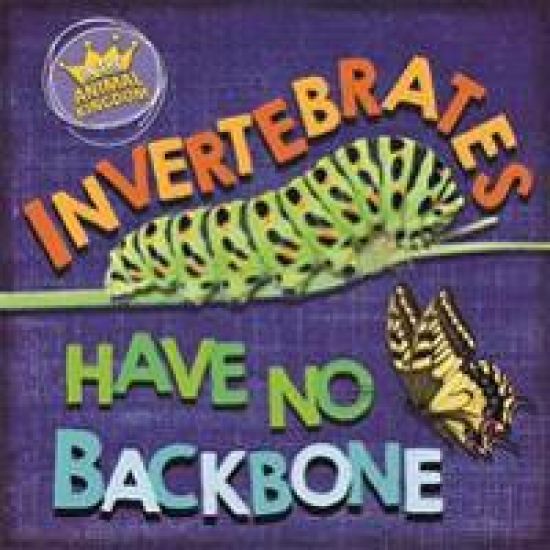
In the Animal Kingdom: Invertebrates Have No Backbone
This book explores what makes an animal an invertebrate - how their characteristics are different from other groups of animals. It shows many examples of different types of invertebrate in their natural environment. The simple text, suitable for children aged 5+, is accompanied by large, attractive photographs. For children progressing through book bands it is suitable for reading at level 7: Turquoise.This book is part of the 'In the Animal Kingdom' series which explores the classification of animals. Why not look for them all: Amphibians Live on Land and Water; Birds Have Feathers; Fish Live in Water; Reptiles Have Scaly Skin; Invertebrates Have No Backbone; Mammals Have Hair.
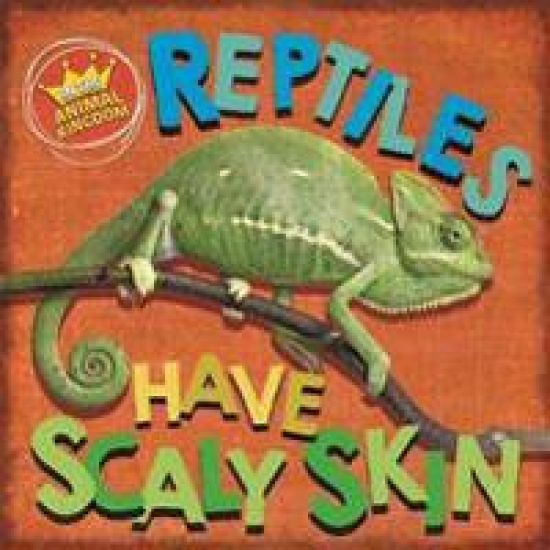
In the Animal Kingdom: Reptiles Have Scaly Skin
This book explores what makes an animal a reptile - how their characteristics are different from other groups of animals. It shows many examples of different types of reptiles in their natural environment. The simple text, suitable for children aged 5+, is accompanied by large, attractive photographs. For children progressing through book bands it is suitable for reading at level 7: Turquoise.This book is part of the 'In the Animal Kingdom' series which explores the classification of animals. Why not look for them all: Amphibians Live on Land and Water; Birds Have Feathers; Fish Live in Water; Reptiles Have Scaly Skin; Invertebrates Have No Backbone; Mammals Have Hair.
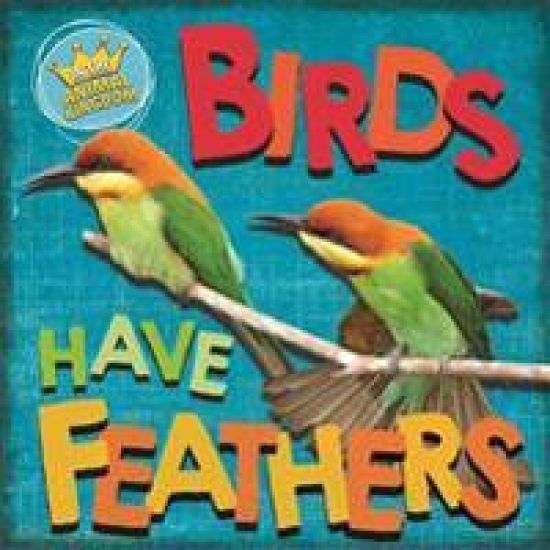
In the Animal Kingdom: Birds Have Feathers
This book explores what makes an animal a bird - how their characteristics are different from other groups of animals. It shows many examples of different types of birds in their natural environment. The simple text, suitable for children aged 5+, is accompanied by large, attractive photographs. For children progressing through book bands it is suitable for reading at band 7: Turquoise.This book is part of the 'In the Animal Kingdom' series which explores the classification of animals. Why not look for them all: Amphibians Live on Land and Water; Birds Have Feathers; Fish Live in Water; Reptiles Have Scaly Skin; Invertebrates Have No Backbone; Mammals Have Hair.
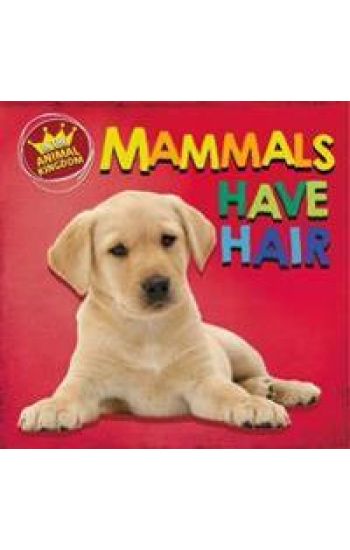
In the Animal Kingdom: Mammals Have Hair
This book explores what makes an animal a mammal - how their characteristics are different from other groups of animals. It shows many examples of different types of mammals in their natural environment. The simple text, suitable for children aged 5+, is accompanied by large, attractive photographs. For children progressing through book bands it is suitable for reading at band 7: Turquoise.This book is part of the 'In the Animal Kingdom' series which explores the classification of animals. Why not look for them all: Amphibians Live on Land and Water; Birds Have Feathers; Fish Live in Water; Reptiles Have Scaly Skin; Invertebrates Have No Backbone; Mammals Have Hair.
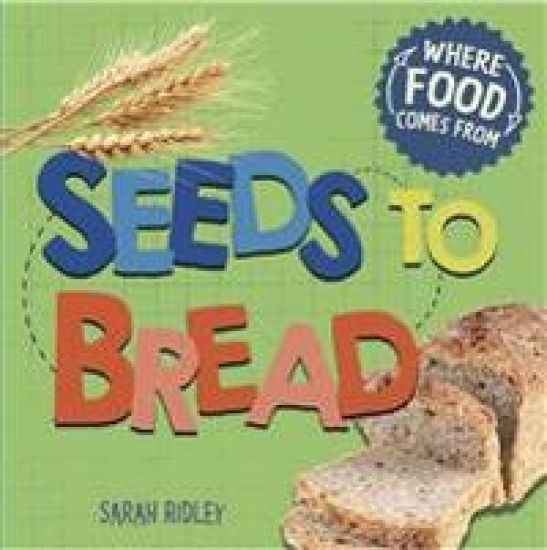
Seeds to Bread

Seeds to Bread

Sarah Ridley

Crabtree Classics
2018
sidottu
Bread is an everyday food, but do you know where it comes from and how it ends up on supermarket shelves? Follow the story of a loaf of bread, from wheat farming to the manufacturing process. Simple text is accompanied by large, attractive photographs.
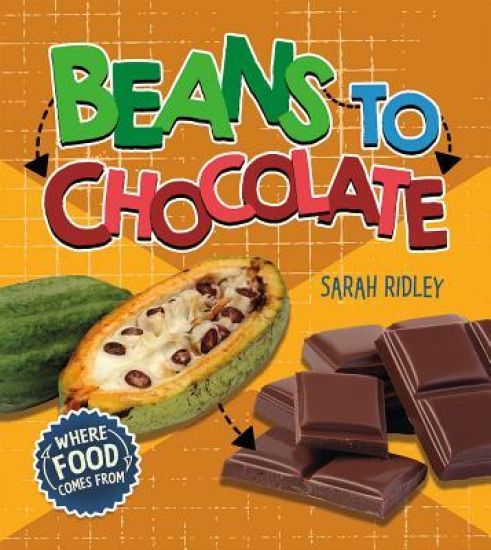
Beans to Chocolate

Beans to Chocolate

Sarah Ridley

Crabtree Classics
2018
nidottu
Everyone loves chocolate, but do you know where it comes from and how it ends up on supermarket shelves? Follow the story of chocolate through the farming process to manufacturing. Simple text is accompanied by large, attractive photographs.
Where Food Comes From: Seeds to Bread
Bread is an everyday food, but do you know where it come from and how it ends up on the supermarket shelves? Follow the story of a loaf of bread, through wheat farming to the manufacturing process. The simple text in this book, suitable for children aged 5+, is accompanied by large, attractive photographs. For children progressing through Book Bands, it is suitable for reading at level 8: Purple.Where food comes from is a series for young children aged 5+, helping them question where their food comes from. It uncovers the role of farmers and others and begins an exploration of food groups. Children studying science topics including how plants change over time and healthy eating will also find these books useful.
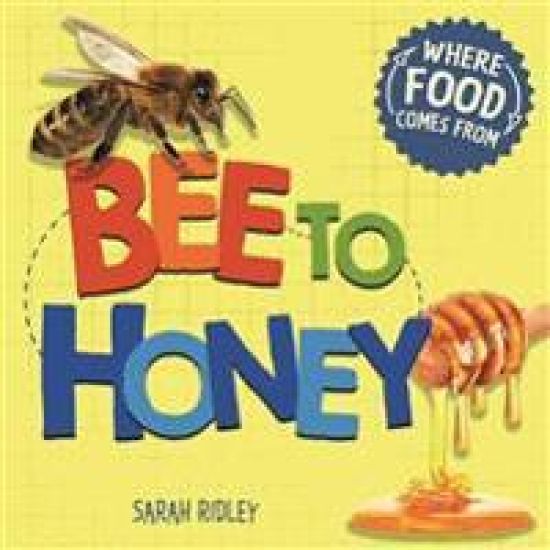
Where Food Comes From: Bee to Honey
Honey is a tasty food, but do you know where it comes from and how it ends up on the supermarket shelves? Follow the story of honey from the worker bees visiting flowers, through what happens in the hive and the collection process to a jar in your cupboard! The simple text in this book, suitable for children aged 5+, is accompanied by large, attractive photographs.Where food comes from is a series for young children, helping them question where their food comes from. It uncovers the role of bee keepers and others and begins an exploration of food groups. Children studying science topics including how plants change over time and healthy eating will also find these books useful.
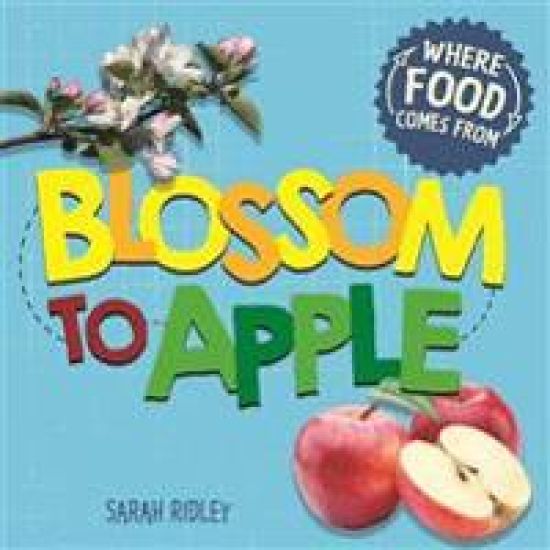
Where Food Comes From: Blossom to Apple
Apples are a tasty food, but do you know where they come from and how they end up on the supermarket shelves? Follow the story of an apple from the first pink buds on an apple tree, through the farming process to packing houses and eventually to your fruit bowl! The simple text in this book, suitable for children aged 5+, is accompanied by large, attractive photographs.Where food comes from is a series for young children, helping them question where their food comes from. It uncovers the role of farmers and others and begins an exploration of food groups. Children studying science topics including how plants change over time and healthy eating will also find these books useful.
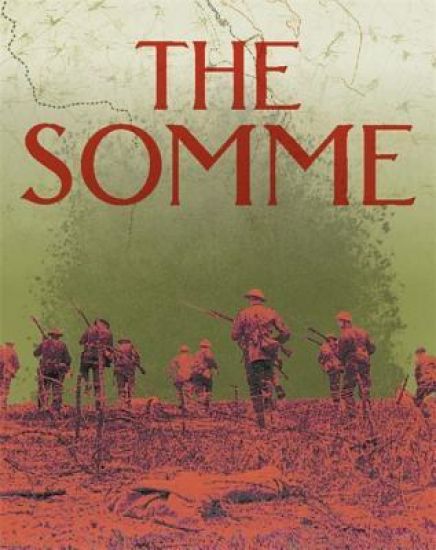
The Somme

The Somme

Sarah Ridley

Franklin Watts Ltd
2016
sidottu
For many people the word 'Somme' sums up the carnage and futility of the First World War. The failure of Allied forces to achieve their objectives at such a huge cost in human lives has resonated in military circles for the past 100 years. This book tells the story of the battle and its wider repercussions, and analyses its importance to the overall outcome of the First World War. The Somme investigates the build-up to the battle, why leaders thought the action was necessary and what they thought it would achieve. It looks at the forces involved, including the 'Pals' battalions - patriotic friends who fought, and more often than not died, together. Although not a straightforward timeline, the book outlines the actual course of the battle beginning on 1 July 1916 and the impact of the continuing slaughter on both sides. Quotes from those who took part offer a glimpse of what it must have been like to be there, and maps show how little was actually achieved in terms of a breakthrough. Poetry, art and music inspired by the Somme campaign bring the soldiers' harrowing experiences to life. Suitable for readers aged 11 and up.