Kirjojen hintavertailu. Mukana 12 437 060 kirjaa ja 12 kauppaa.

Kirjailija

Sarah Street

Kirjat ja teokset yhdessä paikassa: 17 kirjaa, julkaisuja vuosilta 2000-2026, suosituimpien joukossa Film Studios in Britain, France, Germany and Italy. Vertaile teosten hintoja ja tarkista saatavuus suomalaisista kirjakaupoista.

17 kirjaa

Kirjojen julkaisuhaarukka 2000-2026.

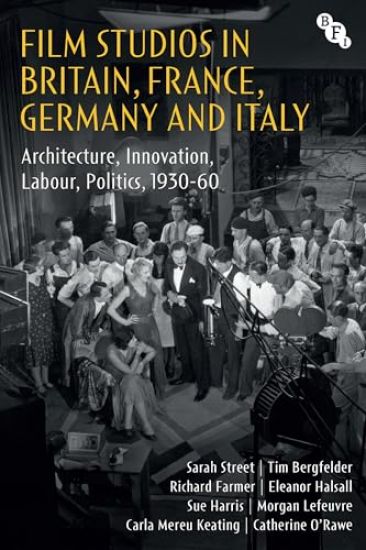
Film Studios in Britain, France, Germany and Italy

Film Studios in Britain, France, Germany and Italy

Sarah Street; Tim Bergfelder; Richard Farmer; Eleanor Halsall; Sue Harris; Morgan Lefeuvre; Carla Mereu Keating; Catherine O'Rawe

BLOOMSBURY PUBLISHING PLC
2026
sidottu
This open access book investigates film studios in Britain, France, Germany and Italy between the 1930s and 1960s. During this time, studios faces unprecedented challenges including wartime disruptions, post-war fragmentation, movement of labour and the introduction of new technologies. While the study of film studios has been dominated by the centralized Hollywood ‘studio system’, the authors present new research about the often very different histories of Europe’s film studios, comparing their geographic locations, architectures and infrastructural development. They explore a number of well-known studios including Pinewood, Joinville, Babelsberg and Cinecittà, as well as lesser-known production sites such as Manchester, Victorine, post-war West German studios and Tirrenia as diverse creative and economic infrastructures. Drawing on a wealth of archival sources, photographs, films, aerial maps and visualizations, the book charts how artistic practices responded to transnational flows in film studio expertise, as studios constituted formative, materially based ‘spaces of the imagination’ that produced some of cinema’s most influential films. How studios worked in the past as dynamic, creative working environments that were profoundly influenced by their locations, architectures and personnel, is foregrounded as the authors produce new understandings of how the collaborative and material environments of studio spaces and technologies shaped film production and cultures. The open access edition of this book is available under a CC BY-NC-ND 4.0 licence on www.bloomsburycollections.com. Open access was funded by the European Research Council.
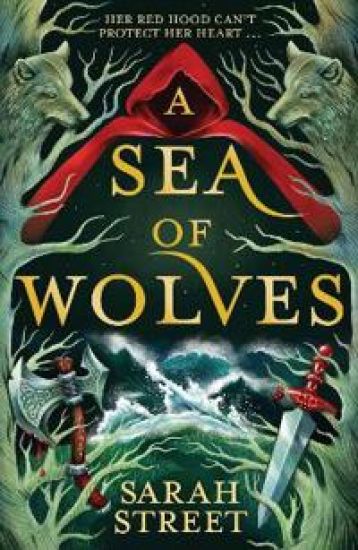
A Sea of Wolves

A Sea of Wolves

Sarah Street

Hachette Children's Group
2024
nidottu
Set in the same world as A Curse of Salt, a heartbreaking sapphic romantasy inspired by Little Red Riding Hood.A broken treatyA wolf in sheep's clothing And a love that will need to defy all odds to survive HER RED HOOD CAN'T PROTECT HER HEART . . .A fifty-year-old treaty between pirates and the city of Bray lies in tatters, so Mersey sets out to free her city - and herself - from the clutches of the Heartless King. But when her reckless plan fails, she finds herself captured by the world's most notorious pirate crew.As Mersey battles between fighting for Bray's safety and falling into the arms of the ship's cold-blooded first mate, Golde, she's soon caught up in the beginnings of a war; one she knows will have disastrous consequences for the people she loves, but just might be the thing to set her free. Amid lies, betrayal and a blossoming love for someone she is supposed to want dead, Mersey is torn between two lives.Uncover lurking wolves prepared to pounce and a sweeping romantasy in this enemies-to-lovers fairytale twist set upon stormy seas. Perfect for fans of Lies We Sing to the Sea and Marissa Meyer.
Pinewood

Pinewood

Sarah Street

Springer International Publishing AG
2024
nidottu
This open access book examines how Pinewood came to be Britain’s dominant film studio complex, focusing on key years following the Second World War. It presents a revisionist, micro history of the studio and its longevity during a particularly turbulentperiod, explaining Pinewood’s survival at a time when other major film studios such as Denham closed. This book also provides contemporary insights into how Pinewood’s technologies, practices, and filmmaking methods compared to Hollywood’s. Thirteen films produced in1946–47 are analysed in detail, tracking how economic pressures engendered many creative techniques and innovative technologies. Prevailing cultures of management and labour organization are foregrounded, as well as insights into being a studio employee. These are vividly brought to life through an in-depthfocus on the in-house studio magazine Pinewood Merry-Go-Round, which provides rare details of sports and leisure activities organized at the studios.
Pinewood

Pinewood

Sarah Street

Springer International Publishing AG
2024
sidottu
This open access book examines how Pinewood came to be Britain’s dominant film studio complex, focusing on key years following the Second World War. It presents a revisionist, micro history of the studio and its longevity during a particularly turbulentperiod, explaining Pinewood’s survival at a time when other major film studios such as Denham closed. This book also provides contemporary insights into how Pinewood’s technologies, practices, and filmmaking methods compared to Hollywood’s. Thirteen films produced in1946–47 are analysed in detail, tracking how economic pressures engendered many creative techniques and innovative technologies. Prevailing cultures of management and labour organization are foregrounded, as well as insights into being a studio employee. These are vividly brought to life through an in-depthfocus on the in-house studio magazine Pinewood Merry-Go-Round, which provides rare details of sports and leisure activities organized at the studios.
Curse of Salt

Curse of Salt

Sarah Street

Hachette Children's Group
2023
pokkari
THIS FAIRY TALE IS CURSEDPrepare for stormy seas and swoony fantasy romance in this addictive enemies-to-lovers retelling of Beauty and the Beast set on board a cursed ship where love blooms in the darkest of hearts ... Perfect for fans of Sarah J Maas and Brigid Kemmerer.
Colour Films in Britain

Colour Films in Britain

Sarah Street; Keith M. Johnston; Paul Frith; Carolyn Rickards

BFI Publishing
2021
sidottu
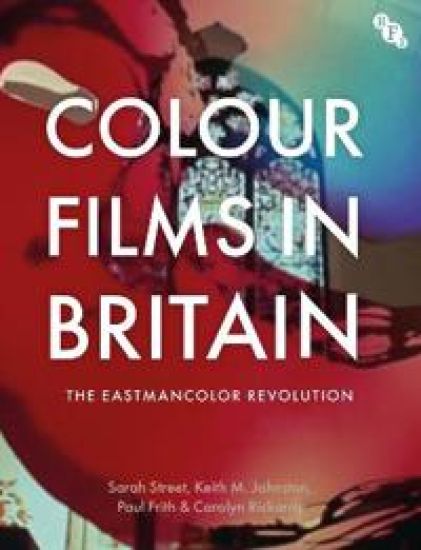
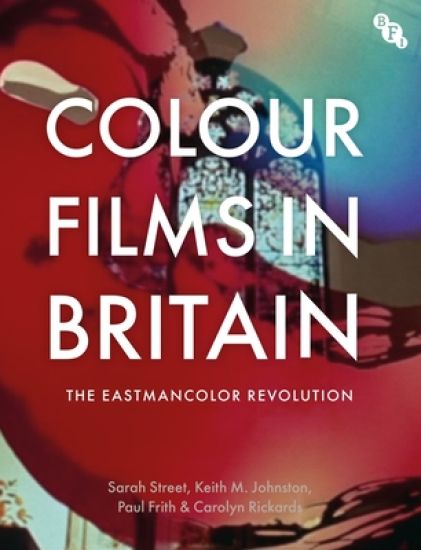
The story of Eastmancolor's arrival on the British filmmaking scene is one of intermittent trial and error, intense debate and speculation before gradual acceptance. This book traces the journey of its adoption in British Film and considers its lasting significance as one of the most important technical innovations in film history. Through original archival research and interviews with key figures within the industry, the authors examine the role of Eastmancolor in relation to key areas of British cinema since the 1950s; including its economic and structural histories, different studio and industrial strategies, and the wider aesthetic changes that took place with the mass adoption of colour. Their analysis of British cinema through the lens of colour produces new interpretations of key British film genres including social realism, historical and costume drama, science fiction, horror, crime, documentary and even sex films. They explore how colour communicated meaning in films ranging from the Carry On series to Monty Python's Life of Brian (1979), from Lawrence of Arabia (1962) to A Passage to India (1984), and from Goldfinger (1964) to 1984 (1984), and in the work of key directors and cinematographers of both popular and art cinema including Nicolas Roeg, Ken Russell, Ridley Scott, Peter Greenaway and Chris Menges.
Colour Films in Britain

Colour Films in Britain

Sarah Street; Keith M. Johnston; Paul Frith; Carolyn Rickards

BFI Publishing
2021
nidottu
The story of Eastmancolor's arrival on the British filmmaking scene is one of intermittent trial and error, intense debate and speculation before gradual acceptance. This book traces the journey of its adoption in British Film and considers its lasting significance as one of the most important technical innovations in film history. Through original archival research and interviews with key figures within the industry, the authors examine the role of Eastmancolor in relation to key areas of British cinema since the 1950s; including its economic and structural histories, different studio and industrial strategies, and the wider aesthetic changes that took place with the mass adoption of colour. Their analysis of British cinema through the lens of colour produces new interpretations of key British film genres including social realism, historical and costume drama, science fiction, horror, crime, documentary and even sex films. They explore how colour communicated meaning in films ranging from the Carry On series to Monty Python's Life of Brian (1979), from Lawrence of Arabia (1962) to A Passage to India (1984), and from Goldfinger (1964) to 1984 (1984), and in the work of key directors and cinematographers of both popular and art cinema including Nicolas Roeg, Ken Russell, Ridley Scott, Peter Greenaway and Chris Menges.
Chromatic Modernity

Chromatic Modernity

Sarah Street; Joshua Yumibe

Columbia University Press
2019
sidottu
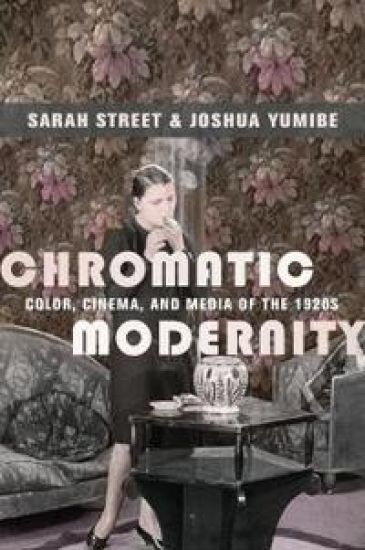
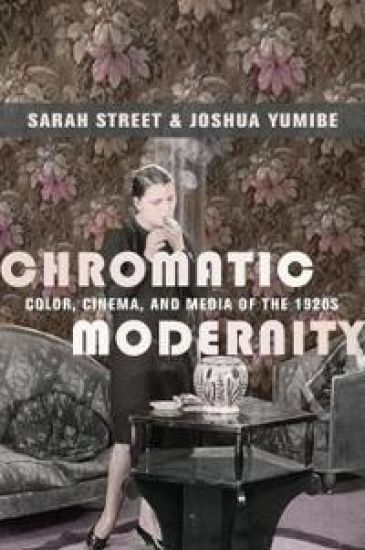
The era of silent film, long seen as black and white, has been revealed in recent scholarship as bursting with color. Yet the 1920s remain thought of as a transitional decade between early cinema and the rise of Technicolor—despite the fact that new color technologies used in film, advertising, fashion, and industry reshaped cinema and consumer culture. In Chromatic Modernity, Sarah Street and Joshua Yumibe provide a revelatory history of how the use of color in film during the 1920s played a key role in creating a chromatically vibrant culture.Focusing on the final decade of silent film, Street and Yumibe portray the 1920s as a pivotal and profoundly chromatic period of cosmopolitan exchange, collaboration, and experimentation in and around cinema. Chromatic Modernity explores contemporary debates over color’s artistic, scientific, philosophical, and educational significance. It examines a wide range of European and American films, including Opus 1 (1921), L’Inhumaine (1923), Die Nibelungen (1924), The Phantom of the Opera (1925), The Lodger (1927), Napoléon (1927), and Dracula (1932). A comprehensive, comparative study that situates film among developments in art, color science, and industry, Chromatic Modernity reveals the role of color cinema in forging new ways of looking at and experiencing the modern world.
Chromatic Modernity

Chromatic Modernity

Sarah Street; Joshua Yumibe

Columbia University Press
2019
pokkari
The era of silent film, long seen as black and white, has been revealed in recent scholarship as bursting with color. Yet the 1920s remain thought of as a transitional decade between early cinema and the rise of Technicolor—despite the fact that new color technologies used in film, advertising, fashion, and industry reshaped cinema and consumer culture. In Chromatic Modernity, Sarah Street and Joshua Yumibe provide a revelatory history of how the use of color in film during the 1920s played a key role in creating a chromatically vibrant culture.Focusing on the final decade of silent film, Street and Yumibe portray the 1920s as a pivotal and profoundly chromatic period of cosmopolitan exchange, collaboration, and experimentation in and around cinema. Chromatic Modernity explores contemporary debates over color’s artistic, scientific, philosophical, and educational significance. It examines a wide range of European and American films, including Opus 1 (1921), L’Inhumaine (1923), Die Nibelungen (1924), The Phantom of the Opera (1925), The Lodger (1927), Napoléon (1927), and Dracula (1932). A comprehensive, comparative study that situates film among developments in art, color science, and industry, Chromatic Modernity reveals the role of color cinema in forging new ways of looking at and experiencing the modern world.
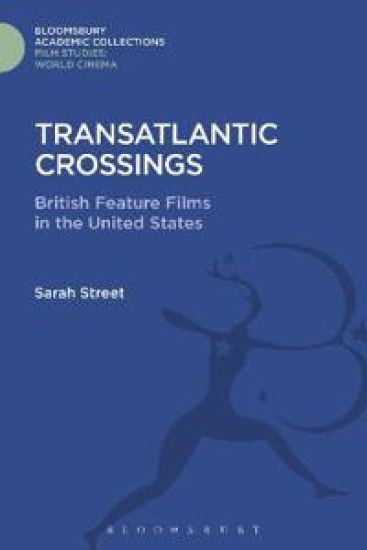
Transatlantic Crossings

Transatlantic Crossings

Sarah Street

Bloomsbury Academic
2016
sidottu
Transatlantic Crossings is a major study of the distribution and exhibition of British films in the USA. Charting the cross-cultural reception of many British films, Sarah Street draws on a wide range of sources including studio records, film posters, press books and statistics. While the power of Hollywood made it difficult for films that crossed the Atlantic, Street’s research demonstrates that some strategies were more successful than others. She considers which British films made an impact and analyzes conditions that facilitated a positive reception from critics, censors, exhibitors and audiences. Case studies include Nell Gwyn (1926), The Private Life of Henry VIII (1933), The Ghost Goes West (1935), Henry V (1946), Black Narcissus (1947), The Red Shoes (1948), Ealing comedies, The Horror of Dracula (1958), Tom Jones (1963), A Hard Day’s Night (1964), Goldfinger (1964), The Remains of the Day (1993), Four Weddings and a Funeral (1994) and Trainspotting (1996). Against a background of the economic history of the British and Hollywood film industries, Transatlantic Crossings considers the many fascinating questions surrounding the history of British films in the USA, their relevance to wider issues of Anglo-American relations and to notions of "Britishness" on screen.
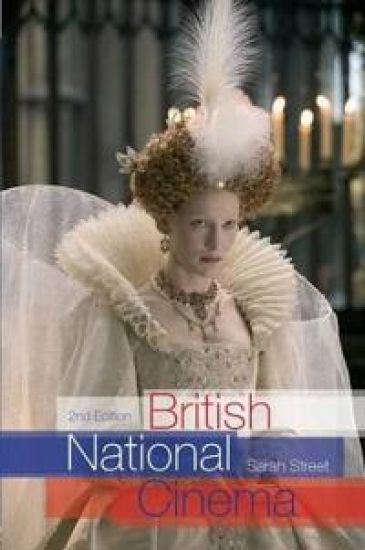
British National Cinema

British National Cinema

Sarah Street

Routledge
2008
nidottu
The first substantial overview of the British film industry with emphasis on its genres, stars, and socioeconomic context, British National Cinema by Sarah Street is an important title in Routledge's new National Cinemas series. British National Cinema synthesizes years of scholarship on British film while incorporating the author' fresh perspective and research. Street divides the study of British cinema into four sections: the relation between the film industry and government; specific film genres; movie stars; and experimental cinema. In addition, this beautifully illustrated volume includes over thirty stills from every sphere of British cinema. British National Cinema will be of great interest to film students and theorists as well as the general reader interested in the fascinating scope of British film.
British National Cinema

British National Cinema

Sarah Street

Routledge
2008
sidottu
The first substantial overview of the British film industry with emphasis on its genres, stars, and socioeconomic context, British National Cinema by Sarah Street is an important title in Routledge's new National Cinemas series. British National Cinema synthesizes years of scholarship on British film while incorporating the author' fresh perspective and research. Street divides the study of British cinema into four sections: the relation between the film industry and government; specific film genres; movie stars; and experimental cinema. In addition, this beautifully illustrated volume includes over thirty stills from every sphere of British cinema. British National Cinema will be of great interest to film students and theorists as well as the general reader interested in the fascinating scope of British film.
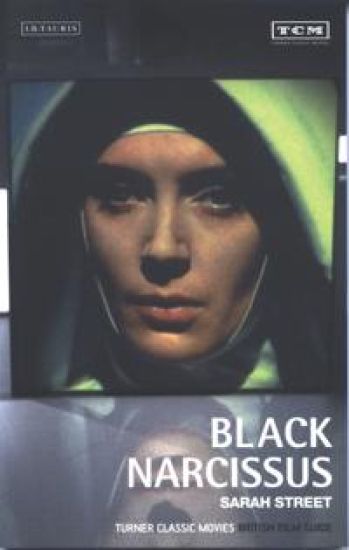
Black Narcissus

Black Narcissus

Sarah Street

I.B. Tauris
2005
nidottu
"'Black Narcissus", now heralded as a masterpiece, is a landmark film in the influential canon of Michael Powell and Emeric Pressburger. With the centenary of Powell's birth in 2005 this timely book - the first dedicated exclusively to the film - draws on archival documents, original set drawings and stills to demonstrate its remarkable achievements, both as a production and as a vehicle for ideas. Looking at the film's enduring images of both place and gender, Sarah Street also examines "Black Narcissus" as a masterly technical accomplishment - with cinematographer Jack Cardiff's experiments in Technicolor just one of its many advances - as well as a meditation on the end of empire. Looking too at the film's controversial reception by international critics and censors, and its subsequent impact on experimental filmmakers, Street explores issues of technique, style, performance and interpretation to reveal the continued relevance of "Black Narcissus" today.
The Titanic in Myth and Memory

The Titanic in Myth and Memory

Tim Bergfelder; Sarah Street

I.B. Tauris
2004
nidottu
Since its maiden voyage and sinking in April 1912, Titanic has become a monumental icon of the 20th century and has inspired a wealth of interpretations across literature, art and media. This book offers a comprehensive discussion of the diverse representations of the connections and differences in the way generations of artists and audiences have approached and used the tragedy. In the final section is an in-depth study of James Cameron's blockbuster film "Titanic".
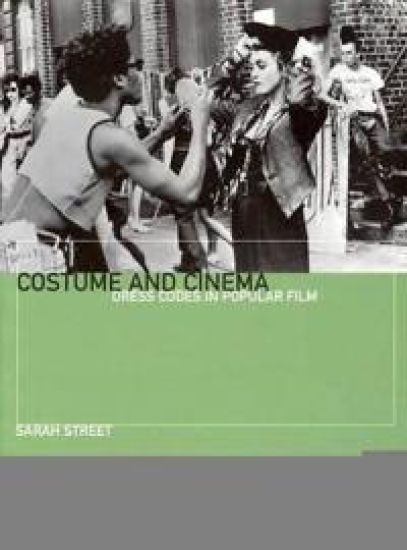
Costume and Cinema

Costume and Cinema

Sarah Street

Wallflower Press
2002
nidottu
"Costume and Cinema: Dress Codes in Popular Film" presents an overview of the literature on film costume, together with a series of detailed case studies which highlight how costume is a key signifier in film texts. Sarah Street demonstrates how costume relates in fundamental ways to the study of film narrative and mise-en-scene, in some cases constituting a language of its own. In particular the book foregrounds the related issues of adaptation and embodiment in a variety of different genres and investigates this under-explored area through extensive analysis of popular films including "The Talented Mr Ripley, Desperately Seeking Susan," and "The Matrix."
European Cinema

European Cinema

Jill Forbes; Sarah Street

Red Globe Press
2000
nidottu
The survival of cinema in Europe and the analysis of its heritage are key issues for the new century. This book asks how we can define European cinema and how it should be studied. It provides an overview of the problems, traditions and key questions that have informed the study of European cinema, investigating the links and tensions between Europe and Hollywood and exploring the different experiences of national identities within a common European framework.Twelve case studies of individual European films ranging from The Battleship Potemkin and The Lodger, to La Haine and Trainspotting, illustrate the distinctiveness and variety of cinema in Europe as well as the various critical methods by which it can be studied.With its detailed analysis of films from several European countries including Britain and Russia, the book encourages a comparative approach and raises urgent questions about the future of European cinema in the context of globalization. It will be of interest to students in Film Studies, European Studies and Modern European Languages and Cultures.
British Cinema in Documents

British Cinema in Documents

Sarah Street

Routledge
2000
nidottu
British Cinema in Documents presents an introduction to the key concerns and debates in British cinema through documents, ranging from official papers to fan magazines. Sarah Street shows how such documentary material can enrich our understanding of cinema's place in national culture and shed new light on defining moments in British cinema history.Street draws together a wide range of material, discussing oral histories, film posters and stills and star memorabilia alongside audience surveys, censorship reports, fan magazines and web sites, providing a context for each extract she discusses. She uses a series of case studies, including film censorship during the Second World War, the fan cultures surrounding stars from Margaret Lockwood to Ewan McGregor, and surveys of the British cinema audience to illustrate how archival research can provide a new understanding of the relationship between a film and other kinds of texts, and between films, their audiences, and the state.