Kirjojen hintavertailu. Mukana 12 507 856 kirjaa ja 12 kauppaa.
Kirjailija
Sareen Duseja
Kirjat ja teokset yhdessä paikassa: 89 kirjaa, julkaisuja vuosilta 2019-2026, suosituimpien joukossa Digital Scanning in Prosthodontics. Vertaile teosten hintoja ja tarkista saatavuus suomalaisista kirjakaupoista.
Success in implantology depends on the profound knowledge of the concept of osseointegration, a meticulous surgical technique and a sound application of restorative principles, all governed by a thoughtful treatment plan. Evolution of dental implants has been progressing at an enthusiastic pace. From the Branemark era in the 60s of the machined titanium root form implants, the blades popularized by Linkow, to the present day of highly characterized root forms, implants have undergone tremendous modifications. Such Enhancements have been in all the aspects of implant like the biomaterial, the basic shapes, sizes, design characteristics like thread, configurations, surface coatings, abutment profiles etc. the market is flooded with an array of implants sytems, each having some feature unique to them and each claiming superiority over the others. In the 1960s dental implantology as a clinical discipline was judged by some to be rather disorganized, and treatments provided were often said to be not as successful as hospital-based orthopedic and cardiovascular surgery pro¬cedures, One part of this opinion related to the use of standard intraoral dental materials.
A common axiom in conventional prosthodontics for partial edentulism is a fixed partial denture. Fewer the natural teeth missing better the indication for fixed partial denture. Unfortunately every case is different in relation to anatomical variations, patient's desires and medical condition. There is no iron clad rule for a particular design. A subtle modification in designing is required to suit a given particular case. Dentistry is an ever changing branch. Over the period of time many types of bridges have come up ranging from the traditional to resin retained to the implant retained bridges. Apart from conventional fixed partial denture modem dentistry involves implants to restore patient to normal contour, function, comfort, esthetics, speech, and health regardless of atrophy, disease or injury of stomatognathic system. With the treatment options available today, a dentist's knowledge and vigilance, adequate skilled lab support and patient's cooperation can help to achieve the only goal of a prosthodontist that is meticulous replacement with maximum preservation.
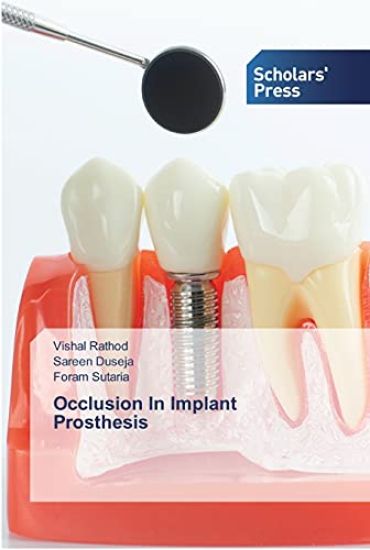
The implant body should be loaded in an axial direction. In a division A maxillary ridge the implant can be placed between the central fossa region and buccal cusp of the natural teeth. The buccal cusp of the natural tooth in the mandibular arch is the dominant occluding cusp. The palatal contour of the maxillary posterior implant crown is reduced to eliminate offset loads. The position of the maxillary buccal cusp should remain similar to that of the original tooth for proper esthetics and should remain out of occlusion in CR and all mandibular excursions. When further resorption occurs and the ridge evolves into division B to C bone, the maxillary palatal cusp may become the primary contact area, situated directly over the implant body. The palatal cusp angle is reduced, and a contact area is created directly over the implant abutment. Hence, the occlusal contacts differ from those of a natural tooth.
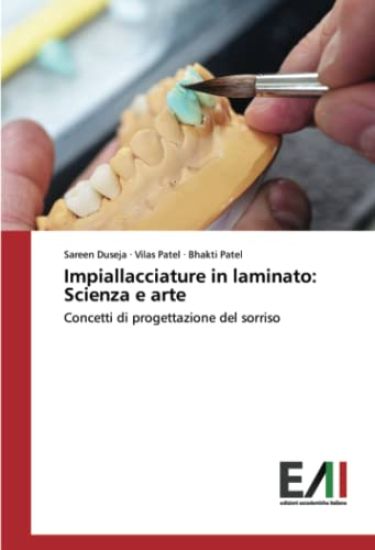
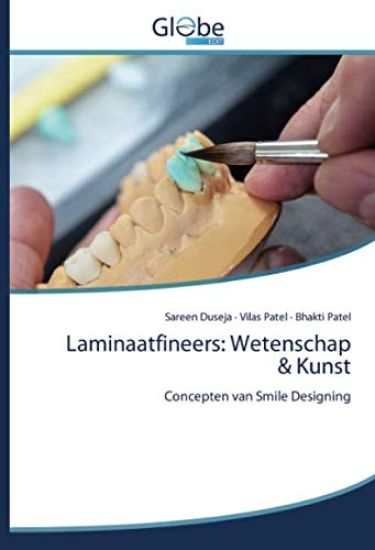
La professione odontoiatrica sempre stata alla ricerca di restauri che abbiano un aspetto "naturale" ma che siano, allo stesso tempo, duraturi. In passato, la mancanza di materiali dentali appropriati ha reso tutto ci impossibile. Tuttavia, i progressi nel campo delle faccette in porcellana e dei materiali adesivi offrono oggi una variet di selezioni nel trattamento, con restauri di lunga durata e una migliore qualit dei risultati estetici. Le faccette in porcellana sono da considerarsi lo "stato dell'arte" dell'odontoiatria estetica, fornendo abbondanti vantaggi rispetto a qualsiasi sistema di faccette precedente. Sono eccellenti in termini di aspetto e durata, e la procedura vera e propria non disturba i tessuti molli o il parodonto adiacente. Dalla loro introduzione quasi 20 anni fa, le faccette in porcellana sono diventate il fiore all'occhiello della maggior parte delle pratiche basate sull'estetica.