Kirjojen hintavertailu. Mukana 12 274 531 kirjaa ja 12 kauppaa.

Kirjailija

Scott F. Aikin

Kirjat ja teokset yhdessä paikassa: 5 kirjaa, julkaisuja vuosilta 2010-2020, suosituimpien joukossa Pragmatism, Pluralism, and the Nature of Philosophy. Vertaile teosten hintoja ja tarkista saatavuus suomalaisista kirjakaupoista.

5 kirjaa

Kirjojen julkaisuhaarukka 2010-2020.

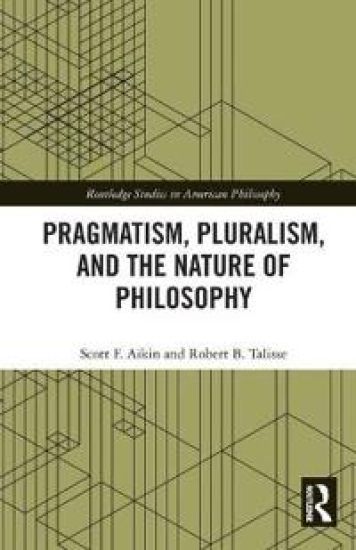
Pragmatism, Pluralism, and the Nature of Philosophy

Pragmatism, Pluralism, and the Nature of Philosophy

Scott F. Aikin; Robert B. Talisse

Routledge
2020
nidottu
For the past fifteen years, Aikin and Talisse have been working collaboratively on a new vision of American pragmatism, one which sees pragmatism as a living and developing philosophical idiom that originates in the work of the "classical" pragmatisms of Charles Peirce, William James, and John Dewey, uninterruptedly develops through the later 20th Century pragmatists (C. I. Lewis, Wilfrid Sellars, Nelson Goodman, W. V. O. Quine), and continues through the present day. According to Aikin and Talisse, pragmatism is fundamentally a metaphilosophical proposal – a methodological suggestion for carrying inquiry forward amidst ongoing deep disagreement over the aims, limitations, and possibilities of philosophy. This conception of pragmatism not only runs contrary to the dominant self-understanding among cotemporary philosophers who identify with the classical pragmatists, it also holds important implications for pragmatist philosophy. In particular, Aikin and Talisse show that their version of pragmatism involves distinctive claims about epistemic justification, moral disagreement, democratic citizenship, and the conduct of inquiry. The chapters combine detailed engagements with the history and development of pragmatism with original argumentation aimed at a philosophical audience beyond pragmatism.
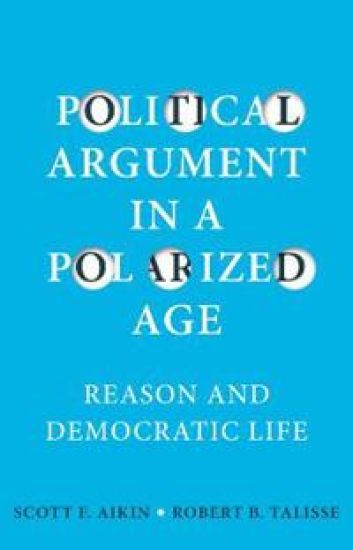
Political Argument in a Polarized Age

Political Argument in a Polarized Age

Scott F. Aikin; Robert B. Talisse

Polity Press
2020
nidottu
From obnoxious public figures to online trolling and accusations of “fake news”, almost no one seems able to disagree without hostility. But polite discord sounds farfetched when issues are so personal and fundamental that those on opposing sides appear to have no common ground. How do you debate the “enemy”? Philosophers Scott Aikin and Robert Talisse show that disagreeing civilly, even with your sworn enemies, is a crucial part of democracy. Rejecting the popular view that civility requires a polite and concessive attitude, they argue that our biggest challenge is not remaining calm in the face of an opponent, but rather ensuring that our political arguments actually address those on the opposing side. Too often politicians and pundits merely simulate political debate, offering carefully structured caricatures of their opponents. These simulations mimic political argument in a way designed to convince citizens that those with whom they disagree are not worth talking to. Good democracy thrives off conflict, but until we learn the difference between real and simulated arguments we will be doomed to speak at cross-purposes. Aikin and Talisse provide a crash course in political rhetoric for the concerned citizen, showing readers why understanding the structure of arguments is just as vital for a healthy democracy as debate over facts and values. But there’s a sting in the tail - no sooner have we learned rhetorical techniques for better disagreement than these techniques themselves become weapons with which to ignore our enemies, as accusations like “false equivalence” and “ad hominem” are used to silence criticism. Civility requires us to be eternally vigilant to the ways we disagree.
Political Argument in a Polarized Age

Political Argument in a Polarized Age

Scott F. Aikin; Robert B. Talisse

Polity Press
2020
sidottu
From obnoxious public figures to online trolling and accusations of “fake news”, almost no one seems able to disagree without hostility. But polite discord sounds farfetched when issues are so personal and fundamental that those on opposing sides appear to have no common ground. How do you debate the “enemy”? Philosophers Scott Aikin and Robert Talisse show that disagreeing civilly, even with your sworn enemies, is a crucial part of democracy. Rejecting the popular view that civility requires a polite and concessive attitude, they argue that our biggest challenge is not remaining calm in the face of an opponent, but rather ensuring that our political arguments actually address those on the opposing side. Too often politicians and pundits merely simulate political debate, offering carefully structured caricatures of their opponents. These simulations mimic political argument in a way designed to convince citizens that those with whom they disagree are not worth talking to. Good democracy thrives off conflict, but until we learn the difference between real and simulated arguments we will be doomed to speak at cross-purposes. Aikin and Talisse provide a crash course in political rhetoric for the concerned citizen, showing readers why understanding the structure of arguments is just as vital for a healthy democracy as debate over facts and values. But there’s a sting in the tail - no sooner have we learned rhetorical techniques for better disagreement than these techniques themselves become weapons with which to ignore our enemies, as accusations like “false equivalence” and “ad hominem” are used to silence criticism. Civility requires us to be eternally vigilant to the ways we disagree.
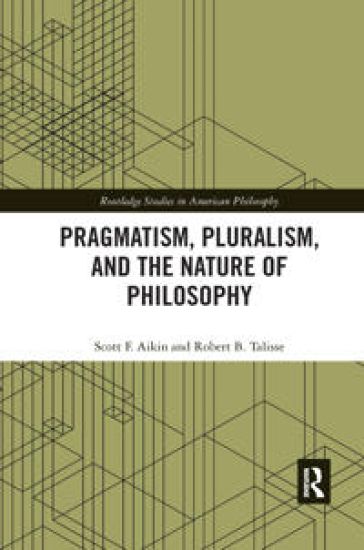
Pragmatism, Pluralism, and the Nature of Philosophy

Pragmatism, Pluralism, and the Nature of Philosophy

Scott F. Aikin; Robert B. Talisse

Routledge
2017
sidottu
For the past fifteen years, Aikin and Talisse have been working collaboratively on a new vision of American pragmatism, one which sees pragmatism as a living and developing philosophical idiom that originates in the work of the "classical" pragmatisms of Charles Peirce, William James, and John Dewey, uninterruptedly develops through the later 20th Century pragmatists (C. I. Lewis, Wilfrid Sellars, Nelson Goodman, W. V. O. Quine), and continues through the present day. According to Aikin and Talisse, pragmatism is fundamentally a metaphilosophical proposal – a methodological suggestion for carrying inquiry forward amidst ongoing deep disagreement over the aims, limitations, and possibilities of philosophy. This conception of pragmatism not only runs contrary to the dominant self-understanding among cotemporary philosophers who identify with the classical pragmatists, it also holds important implications for pragmatist philosophy. In particular, Aikin and Talisse show that their version of pragmatism involves distinctive claims about epistemic justification, moral disagreement, democratic citizenship, and the conduct of inquiry. The chapters combine detailed engagements with the history and development of pragmatism with original argumentation aimed at a philosophical audience beyond pragmatism.
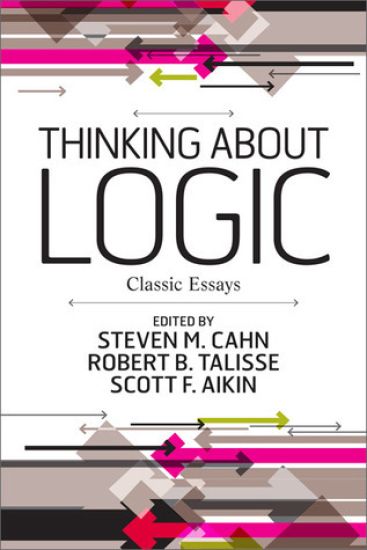
Thinking about Logic

Thinking about Logic

Robert Talisse; Scott F. Aikin; Steven Cahn

Westview Press Inc
2010
pokkari
Thinking about Logic is an accessible and thought-provoking collection of classic articles in the philosophy of logic. An ideal companion to any formal logic course or textbook, this volume illuminates how logic relates to perennial philosophical issues about knowledge, meaning, rationality, and reality. The editors have selected each essay for its brevity, clarity, and impact and have included insightful introductions and discussion questions. The puzzles raised will help readers acquire a more thorough understanding of fundamental logic concepts and a firmer command of the connections between formal logic and other areas of philosophical study: epistemology, philosophy of language, philosophy of science, and metaphysics.