Kirjojen hintavertailu. Mukana 12 396 230 kirjaa ja 12 kauppaa.

Kirjailija

Sean O'Brien

Kirjat ja teokset yhdessä paikassa: 50 kirjaa, julkaisuja vuosilta 1999-2026, suosituimpien joukossa Litmus. Vertaile teosten hintoja ja tarkista saatavuus suomalaisista kirjakaupoista.

50 kirjaa

Kirjojen julkaisuhaarukka 1999-2026.

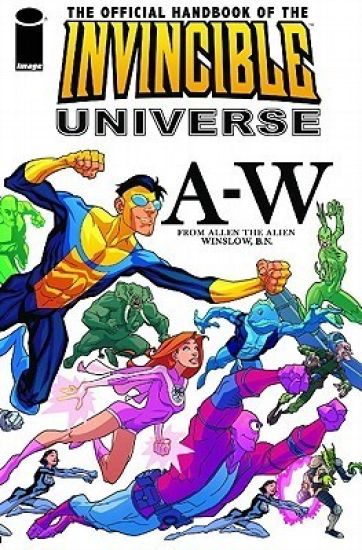
The Official Handbook Of The Invincible Universe

The Official Handbook Of The Invincible Universe

Dusty Abell; Eliot R. Brown; David Campbell; Sean O'Brien; Peter Sanderson; Chris Tolworth; Stuart Vandal

Image Comics
2007
nidottu
Anything you've ever wanted to know about the characters in Invincible, but were afraid to ask. Power levels, hometowns, relatives, origins, shoe sizes... it's all here. Written in the tradition of that other famous handbook, The Official Handbook of the Invincible Universe features drawings from some of the top talents in comics and animation.
Live Theatre: Six Plays from the North East

Live Theatre: Six Plays from the North East

Alan Plater; C. P. Taylor; Julia Darling; Lee Hall; Sean O'Brien; Tom Hadaway

Methuen Drama
2003
nidottu
Published to tie in with the legendary Live Theatre's thirtieth birthday celebrations Spanning three generations, Live Theatre is a celebration of the finest playwrights from the North East. In The Filleting Machine (Tom Hadaway), a fishing family's way of life faces extinction; in You Are My Heart's Delight (C.P. Taylor), the lights are switched out in the house of a gamekeeper and his sister who have resisted change for years; Shooting the Legend (Alan Plater) is a comedy of cultural errors in which two women prepare to make a documentary about the 'socially deprived' of Gateshead; in Wittgenstein on Tyne (Lee Hall), Wittgenstein is caught red-handed when working as a hospital porter on Tyneside; Laughter When We're Dead (Sean O'Brien) is a modern revenge tragedy set around the politics of old versus new labour while Cold Calling (Julia Darling) is a dark comedy about a door-to-door salesman.
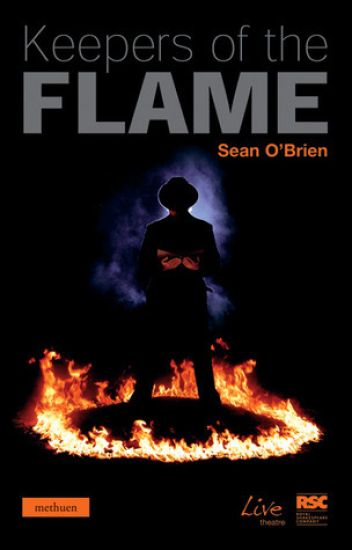
Keepers Of The Flame

Keepers Of The Flame

Sean O'Brien

Methuen Drama
2003
nidottu
A brilliant new thriller about poetry and fascism In the 1930s a young poet and patriot, Richard Jameson falls in love with the socialist daughter of Sir Henry Exton, a powerful media mogul. But in courting her, he finds himself embroiled in a fascist struggle for influence over the heart of the establishment. After Thatcher sweeps to victory during the 1980s, Jameson is on the verge of being rescued from obscurity, but finds the ghosts of his fascist past have not been laid to rest. Sean O'Brien's new play dramatises the literary history and politics of the 1930s and 1980s and asks chilling questions about the historical possibility of a fascist Britain.
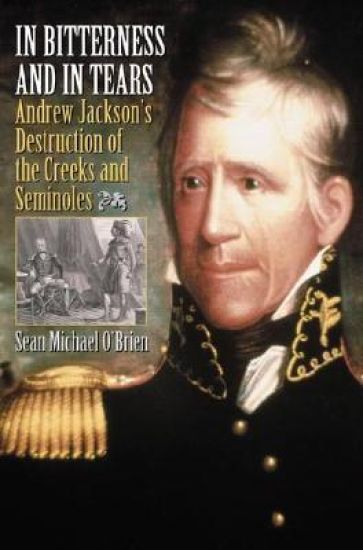
In Bitterness and in Tears

In Bitterness and in Tears

Sean O'Brien

Praeger Publishers Inc
2003
sidottu
The seldom-recalled Creek War of 1813-1814 and its extension, the First Seminole War of 1818, had significant consequences for the growth of the United States. Beginning as a civil war between Muscogee factions, the struggle escalated into a war between the Moscogees and the United States after insurgent Red Sticks massacred over 250 whites and mixed-bloods at Fort Mims on the Alabama River on August 30, 1813—the worst frontier massacre in U.S. history. After seven months of bloody fighting, U.S. forces inflicted a devastating defeat on the Red Sticks at Horseshoe Bend on the Tallapoosa River on March 27, 1814—the most disastrous defeat ever suffered by Native Americans.The defeat of the Muscogees (Creeks), the only serious impediments to U.S. westward expansion, opened millions of acres of land to the white settlers and firmly established the Cotton Kingdom and slavery in the Deep South. For southeastern Native Americans, the war resulted in the destruction of their civilization and forced removal west of the Mississippi: The Trail of Tears. O'Brien presents both the American and Native American perspectives of this important chapter of U.S. history. He also examines the roles of the neighboring tribes and African Americans who lived in the Muscogee nation.
Cousin Coat

Cousin Coat

Sean O'Brien

Picador
2002
pokkari
Sean O’Brien is widely acknowledged as one of the most gifted English poets now writing, and as a leading poet-critic. Cousin Coat collects the best of O’Brien’s work to date; long-time O’Brien aficionados will be grateful to have so much of the early work available again, while recent converts will be delighted to find that O’Brien’s boisterous wit, intelligence and astonishing technical fluency were as much in evidence at the outset of his career as they are now. While some of O’Brien’s mises en scène and dramatis personae have remained constant over the years – the urban dystopia, the train, the rain, the underground, the canal, the lugubrious procession of conductors, policemen, head teachers and detectives – their shadows have deepened with O’Brien’s sense of their historicity and mythic power. His imaginative landscape has become impressively varied: as well as blackly paranoid fantasy and scabrous political critique, O’Brien’s work now encompasses English pastoral, comic set-piece and metaphysical lyric, and shows a growing fascination with song-form and dramatic verse. Cousin Coat represents the best introduction to one of the most significant English poets of the last thirty years. ‘The bard of urban Britain’ The Times ‘A collection which holds numerous satisfactions for anyone with a sense of humour and a political consciousness’ Guardian on Ghost Train ‘The most invigorating new book of poems I’ve read this year’ Sunday Telegraph on Downriver
The Birds

The Birds

Sean O'Brien

Methuen Drama
2002
nidottu
A contemporary adaptation of The Birds by an award-winning poet, published to tie in with a major production at the National Theatre directed by Kathryn Hunter Pez and Eck are on the hunt for the perfect society in "a city where free men might live like birds". But when they start building the bird city for real, Pez starts to have ambitions - which seem not a million miles away from dictatorship. As the fantasy utopia threatens to turn into a tyranny the birds start to rebel. Sean O'Brien's new verse version brings Aristophanes' devastatingly ironic comment on human ambition bang up-to-date and is brimful of jokes ancient and modern.This adaptation by the winner of the Forward Prize for Poetry of Aristophanes' classic comedy is published to coincide with the National Theatre production and tour in 2002.
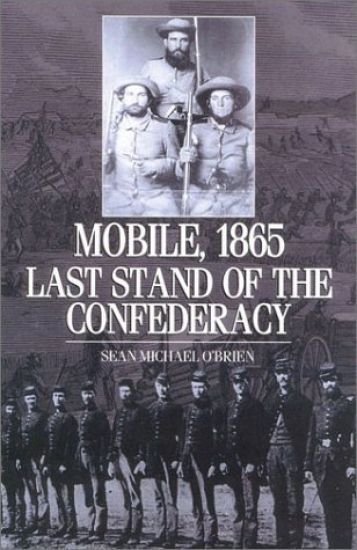
Mobile, 1865

Mobile, 1865

Sean O'Brien

Praeger Publishers Inc
2001
sidottu
The last major battle of the Civil War at Fort Blakely, Alabama, on April 9, 1865, was quickly overshadowed by the concurrent surrender of Robert E. Lee's army at Appomattox, and is largely forgotten today. And yet the Federal campaign against Mobile, the last important Southern city that remained in Rebel hands, was a significant military operation involving 45,000 Union soldiers and 9,000 Confederates. Faced with overwhelming odds, diehard Rebels refused to surrender, and--even with the end of the war clearly at hand--Federal soldiers remained willing to fight and die to capture the last enemy stronghold. O'Brien explores the battle and the driving forces behind it in the first comprehensive treatment of the campaign in over 130 years. The Mobile campaign sheds light on the workings of unit cohesion in the closing days of the war--a bond of loyalty forged by four years of hardships, with soldiers no longer fighting just for country or cause but for their own band of comrades. Black solders (ten percent of the Federal army in the Mobile campaign) were further motivated by another factor: to end slavery and to prove African Americans worthy of equality. Soldiers in this campaign faced the full fury of America's war-making science, with innovations like trench warfare, rifled artillery, land and naval mines, army-navy amphibious operations, submarines, and minesweeping operations--all new technologies to be perfected by a later generation in World War I.
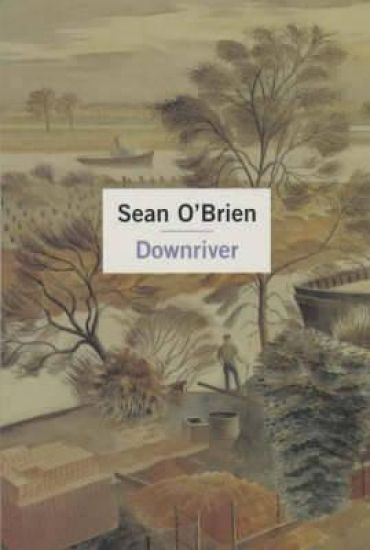
Downriver

Downriver

Sean O'Brien

Picador
2001
pokkari
While Downriver contains the English urban pastoral and hymns to the Northern deities for which Sean O’Brien is justly celebrated, the poet has always been more a singer than even his many admirers have sometimes conceded: here, that lyric note is sounded more openly than ever before. With Downriver, his fifth collection, O’Brien has produced his most various and mature work yet. This is a poetry of both delicacy and gravity, assuagement as well as agitation, rivers that start in hell but later fall as rain – and will only strengthen his reputation as one of the most gifted English poets at work today.
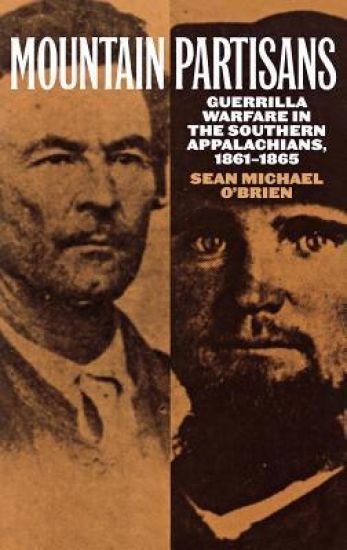
Mountain Partisans

Mountain Partisans

Sean O'Brien

Praeger Publishers Inc
1999
sidottu
This is the story of a civil war within the Civil War. Many mountain whites in Southern Appalachia opposed the Confederacy, especially when the South's conscription and impressment policies began to cause severe hardships. Deserters from the Rebel army hid in the mountains and formed guerrilla bands that terrorized unprotected Confederate homesteads. Violence escalated as Rebel guerrillas fought back. The conflict soon took on some of the ugliest aspects of class warfare between poorer mountain whites, who were usually Unionists, and the more well-to-do mountain property owners, who supported the Rebels. Mountain Partisans penetrates the shadowy world of Union and Confederate guerrillas, describes their leaders and bloody activities, and explains their effect on the Civil War and the culture of Appalachia. Although it did not alter the outcome of the war, guerrilla conflict affected the way the war was fought. The Union army's experience with guerrilla warfare in the mountains influenced the North's adoption of hard war as a strategy used against the South in the last two years of the war and helped shape the army's attitude toward Southern civilians. Partisan warfare in Southern Appalachia left a legacy of self-imposed isolation and distrust of outsiders. Wartime hatreds contributed to a climate of feuds and extralegal vigilantism. The mountain economy never recovered from the war's devastating effects, laying the groundwork for the region's exploitation and impoverishment by outside corporations in the early 20th century.