

Kirjailija
Sebastien Charles
Kirjat ja teokset yhdessä paikassa: 4 kirjaa, julkaisuja vuosilta 2003-2022, suosituimpien joukossa Berkeley Au Siecle Des Lumieres: Immaterialisme Et Scepticisme Au Xviiie Siecle. Vertaile teosten hintoja ja tarkista saatavuus suomalaisista kirjakaupoista.
Mukana myös kirjoitusasut: Sébastien Charles
4 kirjaa
Kirjojen julkaisuhaarukka 2003-2022.
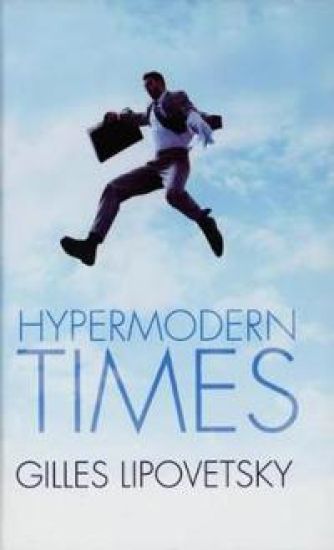
The term ‘postmodernity’ has been used to describe that historical transformation of the late 20th century when the institutional breaks holding back individual emancipation disintegrated, thereby giving rise to the full expression of individual desires and the quest for self-fulfilment. But there are now signs – argues Gilles Lipovetsky, one of the most original social thinkers in France today – that we’ve entered a new phase of ‘hypermodernity’, characterized by hyper-consumption and the hypermodern individual. Hyperconsumption is a consumption which absorbs and integrates more and more spheres of social life and which encourages individuals to consume for their own personal pleasure rather than to enhance their social status. Hypermodernity is a society characterized by movement, fluidity and flexibility, distanced more than ever from the great structuring principles of modernity. And the hypermodern individual, while oriented towards pleasure and hedonism, is also filled with the kind of tension and anxiety that comes from living in a world which has been stripped of tradition and which faces an uncertain future. Individuals are gnawed by anxiety; fear has superimposed itself on their pleasures, and anguish on their liberation. Everything worries and alarms them, and there are no longer any beliefs systems to which they can turn for assurance. These are hypermodern times.
The term ‘postmodernity’ has been used to describe that historical transformation of the late 20th century when the institutional breaks holding back individual emancipation disintegrated, thereby giving rise to the full expression of individual desires and the quest for self-fulfilment. But there are now signs – argues Gilles Lipovetsky, one of the most original social thinkers in France today – that we’ve entered a new phase of ‘hypermodernity’, characterized by hyper-consumption and the hypermodern individual. Hyperconsumption is a consumption which absorbs and integrates more and more spheres of social life and which encourages individuals to consume for their own personal pleasure rather than to enhance their social status. Hypermodernity is a society characterized by movement, fluidity and flexibility, distanced more than ever from the great structuring principles of modernity. And the hypermodern individual, while oriented towards pleasure and hedonism, is also filled with the kind of tension and anxiety that comes from living in a world which has been stripped of tradition and which faces an uncertain future. Individuals are gnawed by anxiety; fear has superimposed itself on their pleasures, and anguish on their liberation. Everything worries and alarms them, and there are no longer any beliefs systems to which they can turn for assurance. These are hypermodern times.

Berkeley Au Siecle Des Lumieres: Immaterialisme Et Scepticisme Au Xviiie Siecle
Sebastien Charles
Librarie Philosophique J. Vrin
2003
nidottu
Si Locke l'emporte sur Descartes dans la pensee des Lumieres, plusieurs problemes surgis au sein du cartesianisme agitent encore le siecle. Ainsi de la question egoiste (la question du solipsisme). La presente etude examine comment fut recu l'immaterialisme berkeleyen, tres vite converti par les Jesuites en un pur scepticisme. Pourquoi Berkeley fut-il percu comme la figure de proue du solipsisme? Quels furent ses adversaires? C'est alors une autre image qui se degage du XVIIIe siecle: celle d'un scepticisme inquiet plutot que d'un rationalisme triomphant.