Kirjojen hintavertailu. Mukana 12 595 353 kirjaa ja 12 kauppaa.

Kirjailija

Sébastien Delot

Kirjat ja teokset yhdessä paikassa: 2 kirjaa, julkaisuja vuosilta 2018-2024, suosituimpien joukossa Nicolas Schöffer. Vertaile teosten hintoja ja tarkista saatavuus suomalaisista kirjakaupoista.

Mukana myös kirjoitusasut: Sebastien Delot

2 kirjaa

Kirjojen julkaisuhaarukka 2018-2024.

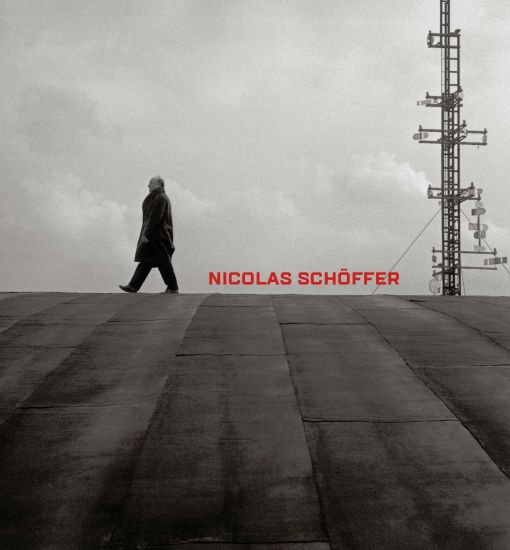
Nicolas Schöffer

Nicolas Schöffer

Arnauld Pierre; Sébastien Delot; Pauline Mari; Dominique Trudel

Yale University Press
2018
sidottu
Hungarian-born French artist Nicolas Schöffer (1912–1992), though relatively unknown today, was during his lifetime a significant presence in the art world. His 1956 piece CYSP 1 is considered the first cybernetic sculpture, making use of motors, microphones, and photo-electric cells to create a work based on feedback loops and responsiveness to its environment. For Schöffer, cybernetics enabled a crucial artistic exploration of the boundary between the living and the technological. This important reevaluation of Schöffer’s work features sculptures, paintings, and drawings, including unpublished pieces from the artist’s studio and archive, as well as documentation of his interdisciplinary and experimental collaborations with architects, musicians, choreographers, scientists, and industrialists. Particular attention is paid to the innovative work he created between 1945 and 1975, which takes on particular resonance in our current, digitally saturated world. Distributed for MercatorfondsExhibition Schedule:Lille Métropole Museum of Modern, Contemporary and Outsider Art (02/23/18–05/20/18)
In the Beginning: Anselm Kiefer & Photography

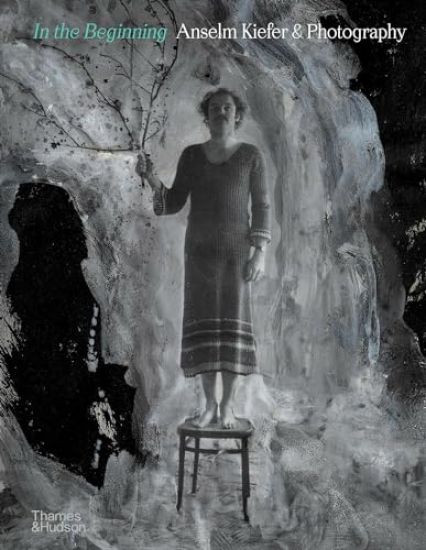
In the Beginning: Anselm Kiefer & Photography

Jean de Loisy; Sebastien Delot; Heiner Bastian; Christian Weikop

THAMES HUDSON LTD
2024
sidottu
The first book to consider Kiefer’s photography and use of photographs in his wider artistic practice. Known for his monumental painting and installations, the internationally celebrated artist Anselm Kiefer's works are marked by a constant questioning of history and collective memory. Born in Germany two months before the Nazi capitulation in 1945, Kiefer's reflections on post-war identity, loss, and shared experience, nourished by myths and literature, create an unparalleled breadth of imagery. The use of photography as both practice and source material is a little-known aspect of Kiefer’s art that has played a central role throughout his career. This book presents over 130 works charting the artist's relationship with photography, and his investigations into what images reveal.