

Kirjailija
Seth C. Kalichman
Kirjat ja teokset yhdessä paikassa: 6 kirjaa, julkaisuja vuosilta 1998-2026, suosituimpien joukossa Denying AIDS. Vertaile teosten hintoja ja tarkista saatavuus suomalaisista kirjakaupoista.
6 kirjaa
Kirjojen julkaisuhaarukka 1998-2026.
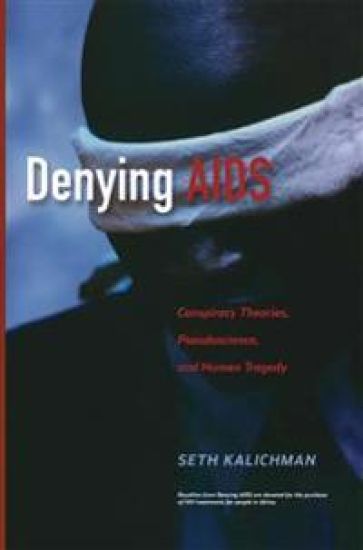
Paralleling the discovery of HIV and the rise of the AIDS pandemic, a flock of naysayers has dedicated itself to replacing genuine knowledge with destructive misinformation—and spreading from the fringe to the mainstream media and the think tank. Now from the editor of the journal AIDS and Behavior comes a bold exposé of the scientific and sociopolitical forces involved in this toxic evasion. Denying AIDS traces the origins of AIDS dissidents disclaimers during the earliest days of the epidemic and delves into the psychology and politics of the current denial movement in its various incarnations. Seth Kalichman focuses not on the “difficult” or doubting patient, but on organized, widespread forms of denial (including the idea that HIV itself is a myth and HIV treatments are poison) and the junk science, faulty logic, conspiracy theories, and larger forces of homophobia and racism that fuel them. The malignant results of AIDS denial can be seen in those individuals who refuse to be tested, ignore their diagnoses, or reject the treatments that could save their lives. Instead of ignoring these currents, asserts Kalichman, science has a duty to counter them. Among the topics covered: Why AIDS denialism endures, and why science must understand it. Pioneer virus HIV researcher Peter Duesberg’s role in AIDS denialism. Flawed immunological, virological, and pharmacological pseudoscience studies that are central to texts of denialism. The social conservative agenda and the politics of AIDS denial, from the courts to the White House. The impact of HIV misinformation on public health in South Africa. Fighting fiction with reality: anti-denialism and the scientific community. For anyone affected by, interested in, or working with researchers in HIV/AIDS, and public health professionals in general, the insight and vision of Denying AIDS will inspire outrage, discussion, and ultimately action. See http://denyingaids.blogspot.com/ for more information.

?HIV Treatment as Prevention: Primer for Behavior-Based Implementation provides the first practical guide to integrating behavioral prevention with antiretroviral therapies for people living with HIV infection. This brief book discusses the historical and social context embedding the shifting landscape in HIV prevention, where the use of effective treatments have become the focus of HIV prevention. While using treatments for prevention is promising, the history of HIV prevention offers several important pitfalls that must be avoided if HIV treatments are to ultimately succeed in preventing new HIV infections. Lessons learned from the successes and failures of other biomedical technologies used in HIV prevention, specifically syringes, condoms, and HIV testing are critical to the success of using HIV treatments for prevention. HIV Treatment as Prevention: Primer for Behavior-Based Implementation summarizes the scientific evidence for advancing the use of antiretroviral therapies for HIV prevention. The evidence makes clear that HIV treatments can prevent HIV transmission, but will fail if behavioral aspects of treatment and HIV transmission are ignored. Of greatest concern are medication adherence and risks for contracting other sexually transmitted infections. Placing HIV treatment within the context of behavioral interventions for maintaining medication adherence and reducing sexual risk behaviors is therefore essential to the future of HIV prevention. HIV Treatment as Prevention: Primer for Behavior-Based Implementation highlights two pioneering behavioral interventions aimed at maximizing the effects of antiretroviral therapies for preventing HIV transmission. One of the interventions, developed by the Author’s research team, is discussed in detail and the intervention manual is included as an Appendix.

Paralleling the discovery of HIV and the rise of the AIDS pandemic, a flock of naysayers has dedicated itself to replacing genuine knowledge with destructive misinformation—and spreading from the fringe to the mainstream media and the think tank. Now from the editor of the journal AIDS and Behavior comes a bold exposé of the scientific and sociopolitical forces involved in this toxic evasion. Denying AIDS traces the origins of AIDS dissidents disclaimers during the earliest days of the epidemic and delves into the psychology and politics of the current denial movement in its various incarnations. Seth Kalichman focuses not on the “difficult” or doubting patient, but on organized, widespread forms of denial (including the idea that HIV itself is a myth and HIV treatments are poison) and the junk science, faulty logic, conspiracy theories, and larger forces of homophobia and racism that fuel them. The malignant results of AIDS denial can be seen in those individuals who refuse to be tested, ignore their diagnoses, or reject the treatments that could save their lives. Instead of ignoring these currents, asserts Kalichman, science has a duty to counter them. Among the topics covered: Why AIDS denialism endures, and why science must understand it. Pioneer virus HIV researcher Peter Duesberg’s role in AIDS denialism. Flawed immunological, virological, and pharmacological pseudoscience studies that are central to texts of denialism. The social conservative agenda and the politics of AIDS denial, from the courts to the White House. The impact of HIV misinformation on public health in South Africa. Fighting fiction with reality: anti-denialism and the scientific community. For anyone affected by, interested in, or working with researchers in HIV/AIDS, and public health professionals in general, the insight and vision of Denying AIDS will inspire outrage, discussion, and ultimately action. See http://denyingaids.blogspot.com/ for more information.
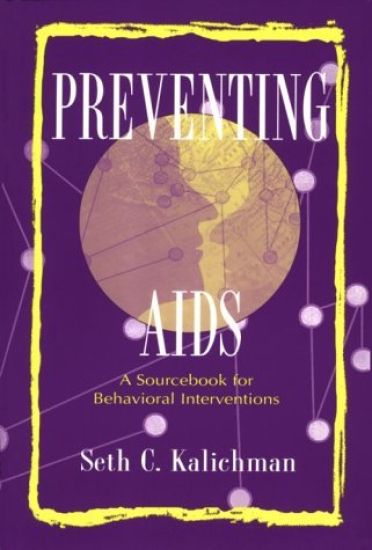
This book provides a comprehensive overview of behavioral interventions to prevent HIV-AIDS risk-related behaviors. It synthesizes the empirical literature on individual, group, and community-level interventions and provides an objective and detailed assessment of intervention outcomes. Factors associated with behavioral risk for HIV transmission, theories of HIV risk behavior change, and the state of HIV prevention technology transfer are also reviewed. Additionally, behavioral interventions for adolescents and adults of diverse ethnic and sexual backgrounds are discussed with respect to each intervention type. Although the focus is on sexual risk reduction, interventions for sexual behavior of substance abusing populations are also covered.

This book provides a comprehensive overview of behavioral interventions to prevent HIV-AIDS risk-related behaviors. It synthesizes the empirical literature on individual, group, and community-level interventions and provides an objective and detailed assessment of intervention outcomes. Factors associated with behavioral risk for HIV transmission, theories of HIV risk behavior change, and the state of HIV prevention technology transfer are also reviewed. Additionally, behavioral interventions for adolescents and adults of diverse ethnic and sexual backgrounds are discussed with respect to each intervention type. Although the focus is on sexual risk reduction, interventions for sexual behavior of substance abusing populations are also covered.