Kirjojen hintavertailu. Mukana 12 595 353 kirjaa ja 12 kauppaa.

Kirjailija

Seth Mallios

Kirjat ja teokset yhdessä paikassa: 12 kirjaa, julkaisuja vuosilta 2006-2024, suosituimpien joukossa Born a Slave, Died a Pioneer. Vertaile teosten hintoja ja tarkista saatavuus suomalaisista kirjakaupoista.

12 kirjaa

Kirjojen julkaisuhaarukka 2006-2024.
Bee Me Siendo Bee

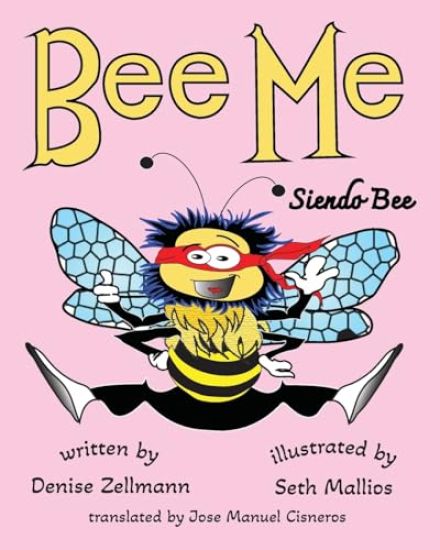
Bee Me Siendo Bee

Denise Zellmann; Seth Mallios

Montezuma Publishing
2024
pokkari
With lyrical prose and spirited illustrations, Bee Me inspires readers to appreciate these vital creatures and their role in our ecosystem, nurturing a love for nature and love of self.
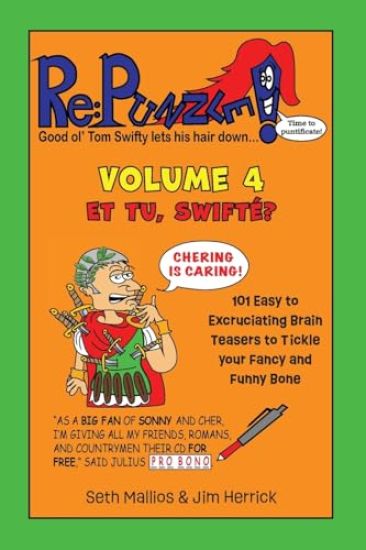
Re

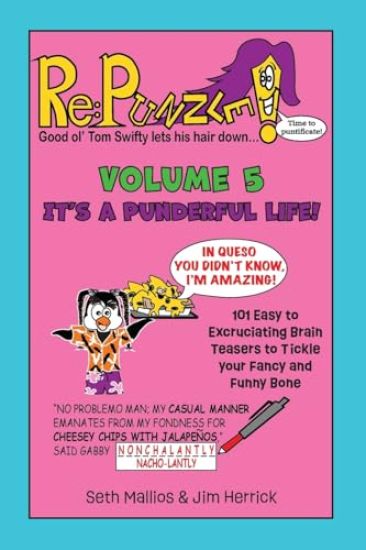
Re

Seth Mallios; Jim Herrick

Montezuma Publishing
2024
pokkari
101 easy to excruciating brain teasers to tickle your fancy and funny bone. Re: Punzle is a brain-teaser crowd-pleaser The task is simple... Re: Punzle, Re: Punzle, let down your hair and solve the ridiculous riddle by figuring out the missing word with the delightful double meaning.
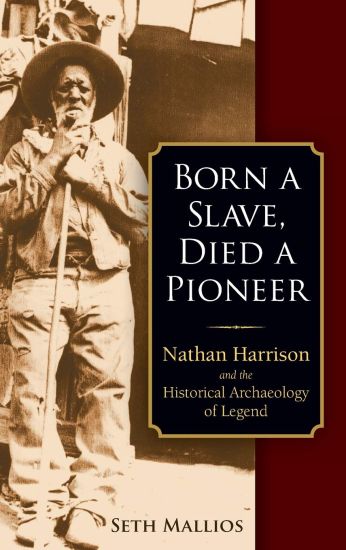
Born a Slave, Died a Pioneer

Born a Slave, Died a Pioneer

Seth Mallios

Berghahn Books
2019
sidottu
Spectacular recent discoveries from the Nathan Harrison cabin site offer new insights and perspectives into the life of this former slave and legendary California homesteader. “In many ways, it is a quintessential American story because of the fact that slavery was the American story.”—Julia A. King, St. Mary’s College of Maryland Few people in the history of the United States embody ideals of the American Dream more than Nathan Harrison. His is a story with prominent themes of overcoming staggering obstacles, forging something-from-nothing, and evincing gritty perseverance. In a lifetime of hard-won progress, Harrison survived the horrors of slavery in the Antebellum South, endured the mania of the California Gold Rush, and prospered in the rugged chaos of the Wild West. From the introduction: According to dozens of accounts, Harrison would routinely greet visitors to his remote Southern California hillside property with the introductory quip, “I’m N——r Nate, the first white man on the mountain.” This is by far the most common direct quote in all of the extensive Harrison lore. If it is possible to get past current-day shock and outrage over the inflammatory racial epithet, one can begin to contextualize and appreciate the ironic humor, ethnic insight, and dualistically crafted identities Harrison employed in this profound statement.
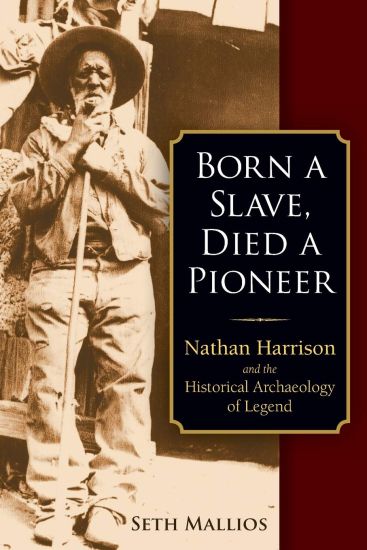
Born a Slave, Died a Pioneer

Born a Slave, Died a Pioneer

Seth Mallios

Berghahn Books
2019
nidottu
Spectacular recent discoveries from the Nathan Harrison cabin site offer new insights and perspectives into the life of this former slave and legendary California homesteader. “In many ways, it is a quintessential American story because of the fact that slavery was the American story.”—Julia A. King, St. Mary’s College of Maryland Few people in the history of the United States embody ideals of the American Dream more than Nathan Harrison. His is a story with prominent themes of overcoming staggering obstacles, forging something-from-nothing, and evincing gritty perseverance. In a lifetime of hard-won progress, Harrison survived the horrors of slavery in the Antebellum South, endured the mania of the California Gold Rush, and prospered in the rugged chaos of the Wild West. From the introduction: According to dozens of accounts, Harrison would routinely greet visitors to his remote Southern California hillside property with the introductory quip, “I’m N——r Nate, the first white man on the mountain.” This is by far the most common direct quote in all of the extensive Harrison lore. If it is possible to get past current-day shock and outrage over the inflammatory racial epithet, one can begin to contextualize and appreciate the ironic humor, ethnic insight, and dualistically crafted identities Harrison employed in this profound statement.
The Deadly Politics of Giving

The Deadly Politics of Giving

Seth Mallios

The University of Alabama Press
2006
nidottu
With a focus on indigenous cultural systems and agency theory, this volume analyzes Contact Period relations between North American Middle Atlantic Algonquian Indians and the Spanish Jesuits at Ajacan (1570-72) and English settlers at Roanoke Island (1584-90) and Jamestown Island (1607-12). It is an anthropological and ethnohistorical study of how European violations of Algonquian gift-exchange systems led to intercultural strife during the late 1500s and early 1600s, destroying Ajacan and Roanoke, and nearly destroying Jamestown.