Kirjojen hintavertailu. Mukana 12 319 933 kirjaa ja 12 kauppaa.
Kirjailija
Shamim Miah
Kirjat ja teokset yhdessä paikassa: 6 kirjaa, julkaisuja vuosilta 2017-2023, suosituimpien joukossa 'Race,’ Space and Multiculturalism in Northern England. Vertaile teosten hintoja ja tarkista saatavuus suomalaisista kirjakaupoista.
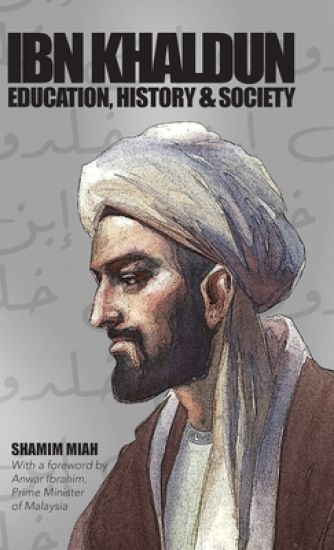
Ibn Khaldun (1332-1406) is a significant intellectual figure within the Muslim world. He is seen as the founding father of sociology, whilst making significant contributions in the fields of history, economics and philosophy.Despite the growth in the study of Ibn Khaldun in the West, his contributions to the field of social science is often limited to the academic communtiy.This book aims to bring the works of Ibn Khaldun to a much broader audience by drawing upon his magnum opus, the Muqaddimah, to provide insights into his ideas on education, sociology and history.
Ibn Khaldun (1332-1406) is a significant intellectual figure within the Muslim world. He is seen as the founding father of sociology, whilst making significant contributions in the fields of history, economics and philosophy.Despite the growth in the study of Ibn Khaldun in the West, his contributions to the field of social science is often limited to the academic communtiy.This book aims to bring the works of Ibn Khaldun to a much broader audience by drawing upon his magnum opus, the Muqaddimah, to provide insights into his ideas on education, sociology and history.
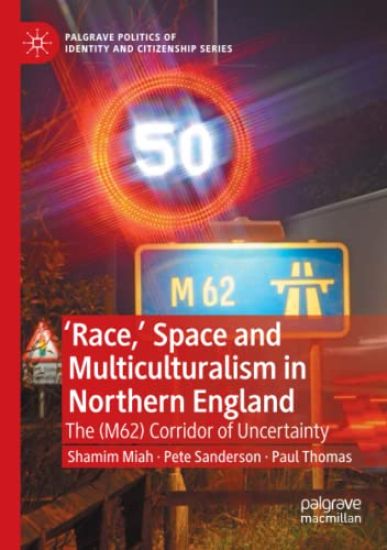
This book challenges the narrative of Northern England as a failed space of multiculturalism, drawing on a historically-contextualised discussion of ethnic relations to argue that multiculturalism has been more successful and locally situated than these assumptions allow.The authors examine the interplay between ‘race’, space and place to analyse how profound economic change, the evolving nature of the state, individual racism, and the local creation and enactment of multiculturalist policies have all contributed to shaping the trajectory of ethnic/faith identities and inter-community relations at a local level. In doing so, the book analyses both change and continuity in discussion of, and national/local state policy towards, ethnic relations, particularly around the supposed segregation/integration dichotomy, and the ways in which racialised ‘events’ are perceived and ‘identities’ are created and reflected in state policy operations. Drawing on the authors’ long involvement in empirical research, policy and practice around ethnicity, ‘race’ and racism in the Northern England, they effectively support critical and situated analysis of controversial, racialised issues, and set these geographically specific findings in the context of wider international experiences of and tensions around growing ethnic diversity in the context of profound economic and social changes.
This book challenges the narrative of Northern England as a failed space of multiculturalism, drawing on a historically-contextualised discussion of ethnic relations to argue that multiculturalism has been more successful and locally situated than these assumptions allow.The authors examine the interplay between ‘race’, space and place to analyse how profound economic change, the evolving nature of the state, individual racism, and the local creation and enactment of multiculturalist policies have all contributed to shaping the trajectory of ethnic/faith identities and inter-community relations at a local level. In doing so, the book analyses both change and continuity in discussion of, and national/local state policy towards, ethnic relations, particularly around the supposed segregation/integration dichotomy, and the ways in which racialised ‘events’ are perceived and ‘identities’ are created and reflected in state policy operations. Drawing on the authors’ long involvement in empirical research, policy and practice around ethnicity, ‘race’ and racism in the Northern England, they effectively support critical and situated analysis of controversial, racialised issues, and set these geographically specific findings in the context of wider international experiences of and tensions around growing ethnic diversity in the context of profound economic and social changes.
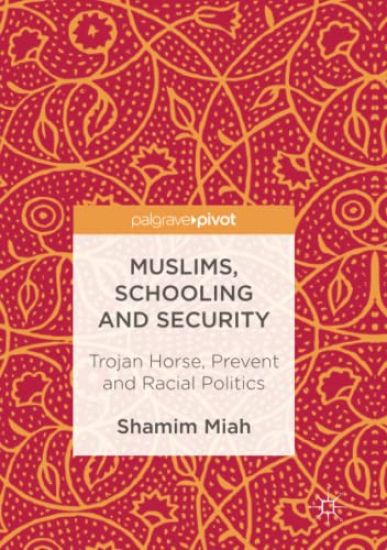
This book focuses on the recent educational policy debates surrounding Muslims, schooling and the question of security in light of the Counter Terrorism Security Act – which has made ‘Prevent’ a legal duty for schools, colleges and universities. The book examines the infamous ‘Trojan Horse’ affair in Birmingham, and critically evaluates the security discourses in light of theoretical insights from the study of racial politics. The sociology of race and schooling in the UK has long been associated with a number of diverse areas of study, including racial inequality, multiculturalism, citizenship and identity; however, until very recently, very little attention has been given to securitization and race within the context of education and even less focus has been given to the links between the question of security and racial politics. This book makes a much-needed and timely contribution to debates on the complex relationship between racial politics andschooling, and will make compelling reading for students and researchers in the fields of education and sociology, as well as education policy makers.
This book focuses on the recent educational policy debates surrounding Muslims, schooling and the question of security in light of the Counter Terrorism Security Act – which has made ‘Prevent’ a legal duty for schools, colleges and universities. The book examines the infamous ‘Trojan Horse’ affair in Birmingham, and critically evaluates the security discourses in light of theoretical insights from the study of racial politics. The sociology of race and schooling in the UK has long been associated with a number of diverse areas of study, including racial inequality, multiculturalism, citizenship and identity; however, until very recently, very little attention has been given to securitization and race within the context of education and even less focus has been given to the links between the question of security and racial politics. This book makes a much-needed and timely contribution to debates on the complex relationship between racial politics andschooling, and will make compelling reading for students and researchers in the fields of education and sociology, as well as education policy makers.