Kirjojen hintavertailu. Mukana 12 595 353 kirjaa ja 12 kauppaa.

Kirjailija

Shann Ray Ferch

Kirjat ja teokset yhdessä paikassa: 4 kirjaa, julkaisuja vuosilta 2011-2021, suosituimpien joukossa Finding Leo. Vertaile teosten hintoja ja tarkista saatavuus suomalaisista kirjakaupoista.

4 kirjaa

Kirjojen julkaisuhaarukka 2011-2021.

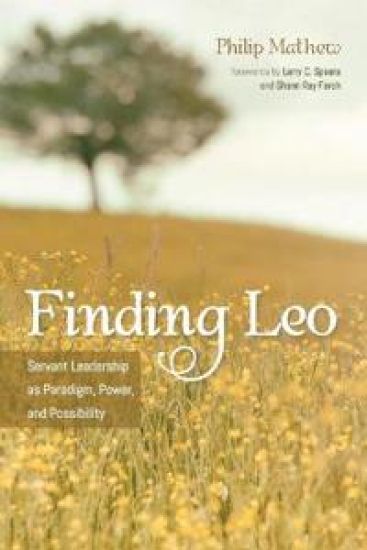
Finding Leo

Finding Leo

Philip Mathew; Larry C Spears; Shann Ray Ferch

Wipf Stock Publishers
2021
pokkari
Transform yourself and your organization through the power of servant leadership. In this informative and inspiring book, Mathew traces the true life stories, struggles, and enduring wisdom of ten men and women who changed the world by serving others. Based on Larry C. Spears's ten characteristics of a servant leader, Finding Leo engages the reader in a clear and compelling portrait of this powerful leadership philosophy through a vivid analysis of contemporary and historical servant leaders including Southwest Airlines CEO Herb Kelleher, Underground Railroad conductor Harriet Tubman, missionary to the poorest of the poor Mother Teresa, educational activist Malala Yousafzai, Quaker abolitionist John Woolman, freedom fighter Mahatma Gandhi, First Lady Eleanor Roosevelt, Greenbelt Movement founder Wangari Maathai, Holocaust survivor Viktor Frankl, and civil rights leader Martin Luther King Jr. From the classroom to the boardroom, the leadership lessons found in Finding Leo form an essential and practical guide for individuals, organizations, and communities looking to live for a higher purpose and seeking a path forward through others-centered leadership.
Forgiveness and Power in the Age of Atrocity

Forgiveness and Power in the Age of Atrocity

Shann Ray Ferch

Lexington Books
2011
sidottu
In a fresh rendering of the role of leaders as healers, Forgiveness and Power in the Age of Atrocity considers love and power in the midst of personal, political, and social upheaval. Unexpected atrocity coexists alongside the quiet subtleties of mercy, and people and nations currently encounter a world in which not even the certainties of existence remain even as grace can sometimes arise under the most difficult circumstances. Ultimately, Forgiveness and Power in the Age of Atrocity is a book about the alienation and intimacy at war within us all. Ferch speaks to categorical human transgressions in the hope that readers will be compelled to examine their own prejudices and engage the moral responsibility to evoke in their own personal life, work life, and larger national communities a more humane and life-giving coexistence. In addition to a primary focus on servant leadership, the book addresses three interwoven aspects of social responsibility: 1) the nature of personal responsibility 2) the nature of privilege and the conscious and unconscious violence against humanity often harbored in a blindly privileged stance, and 3) the encounter with forgiveness and forgiveness-asking grounded in a personal and collective obligation to the well-being of humanity. Modernist and postmodernist notions of the will to meaning are considered against the philosophical notion of the will to power. The book examines the everyday existence of human values in a time when we inhabit a world filled as much with unwarranted cruelty as with the disarming nature of authentic and life-affirming love. The book asks the question: Can ultimate forgiveness change the heart of violence? In Forgiveness and Power, people are challenged not only by the work of profound thought leaders such as Mandela, Tutu, but also Simone Weil, Vaclav Havel, Emerson, Mary Oliver, Martin Luther King, Paulo Freire, bell hooks, and Robert Greenleaf. The hope of the book is that people of all ages and creeds come to a deeper understanding and of personal and collective responsibility for leadership that helps heal the heart of the world.
Forgiveness and Power in the Age of Atrocity

Forgiveness and Power in the Age of Atrocity

Shann Ray Ferch

Lexington Books
2011
nidottu
In a fresh rendering of the role of leaders as healers, Forgiveness and Power in the Age of Atrocity considers love and power in the midst of personal, political, and social upheaval. Unexpected atrocity coexists alongside the quiet subtleties of mercy, and people and nations currently encounter a world in which not even the certainties of existence remain even as grace can sometimes arise under the most difficult circumstances. Ultimately, Forgiveness and Power in the Age of Atrocity is a book about the alienation and intimacy at war within us all. Ferch speaks to categorical human transgressions in the hope that readers will be compelled to examine their own prejudices and engage the moral responsibility to evoke in their own personal life, work life, and larger national communities a more humane and life-giving coexistence. In addition to a primary focus on servant leadership, the book addresses three interwoven aspects of social responsibility: 1) the nature of personal responsibility 2) the nature of privilege and the conscious and unconscious violence against humanity often harbored in a blindly privileged stance, and 3) the encounter with forgiveness and forgiveness-asking grounded in a personal and collective obligation to the well-being of humanity. Modernist and postmodernist notions of the will to meaning are considered against the philosophical notion of the will to power. The book examines the everyday existence of human values in a time when we inhabit a world filled as much with unwarranted cruelty as with the disarming nature of authentic and life-affirming love. The book asks the question: Can ultimate forgiveness change the heart of violence? In Forgiveness and Power, people are challenged not only by the work of profound thought leaders such as Mandela, Tutu, but also Simone Weil, Vaclav Havel, Emerson, Mary Oliver, Martin Luther King, Paulo Freire, bell hooks, and Robert Greenleaf. The hope of the book is that people of all ages and creeds come to a deeper understanding and of personal and collective responsibility for leadership that helps heal the heart of the world.