Kirjojen hintavertailu. Mukana 12 595 353 kirjaa ja 12 kauppaa.
Kirjailija
Sharon L. Snyder
Kirjat ja teokset yhdessä paikassa: 7 kirjaa, julkaisuja vuosilta 2001-2017, suosituimpien joukossa Moment of Insanity. Vertaile teosten hintoja ja tarkista saatavuus suomalaisista kirjakaupoista.
Based on a true story of a young woman who grew up in Pakistan, all the time dreaming of the day she would be married to a handsome doctor or lawyer. Her arranged marriage to an older cousin who happened to be a doctor pleased Ambreen at first. After he finally brought her to the USA, she realized the depth of the deception she'd encountered. Many years of trials and heartache passed before she could forgive those who had deceived her and find a wonderful unexpected friendship.
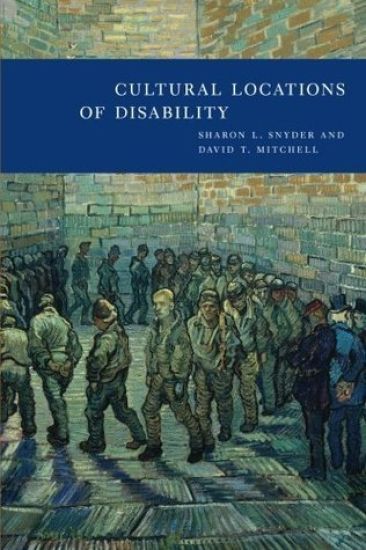
In "Cultural Locations of Disability", Sharon L. Snyder and David T. Mitchell trace how disabled people came to be viewed as biologically deviant. The eugenics era pioneered techniques that managed "defectives" through the application of therapies, invasive case histories, and acute surveillance techniques, turning disabled persons into subjects for a readily available research pool. In its pursuit of normalization, eugenics implemented disability regulations that included charity systems, marriage laws, sterilization, institutionalization, and even extermination. Enacted in enclosed disability locations, these practices ultimately resulted in expectations of segregation from the mainstream, leaving today's disability politics to focus on reintegration, visibility, inclusion, and the right of meaningful public participation. Snyder and Mitchell reveal cracks in the social production of human variation as aberrancy. From our modern obsessions with tidiness and cleanliness to our desire to attain perfect bodies, notions of disabilities as examples of human insufficiency proliferate. These disability practices infuse more general modes of social obedience at work today. Consequently, this important study explains how disabled people are instrumental to charting the passage from a disciplinary society to one based upon regulation of the self.
In "Cultural Locations of Disability", Sharon L. Snyder and David T. Mitchell trace how disabled people came to be viewed as biologically deviant. The eugenics era pioneered techniques that managed "defectives" through the application of therapies, invasive case histories, and acute surveillance techniques, turning disabled persons into subjects for a readily available research pool. In its pursuit of normalization, eugenics implemented disability regulations that included charity systems, marriage laws, sterilization, institutionalization, and even extermination. Enacted in enclosed disability locations, these practices ultimately resulted in expectations of segregation from the mainstream, leaving today's disability politics to focus on reintegration, visibility, inclusion, and the right of meaningful public participation. Snyder and Mitchell reveal cracks in the social production of human variation as aberrancy. From our modern obsessions with tidiness and cleanliness to our desire to attain perfect bodies, notions of disabilities as examples of human insufficiency proliferate. These disability practices infuse more general modes of social obedience at work today. Consequently, this important study explains how disabled people are instrumental to charting the passage from a disciplinary society to one based upon regulation of the self.
Narrative Prosthesis: Disability and the Dependencies of Discourse develops a narrative theory of the pervasive use of disability as a device of characterization in literature and film. It argues that, while other marginalized identities have suffered cultural exclusion due to a dearth of images reflecting their experience, the marginality of disabled people has occurred in the midst of the perpetual circulation of images of disability in print and visual media. The manuscript's six chapters offer comparative readings of key texts in the history of disability representation, including the tin soldier and lame Oedipus, Montaigne's "infinities of forms" and Nietzsche's "higher men," the performance history of Shakespeare's Richard III, Melville's Captain Ahab, the small town grotesques of Sherwood Anderson's Winesburg, Ohio and Katherine Dunn's self-induced freaks in Geek Love.David T. Mitchell is Associate Professor of Literature and Cultural Studies, Northern Michigan University. Sharon L. Snyder is Assistant Professor of Film and Literature, Northern Michigan University.