

Kirjailija
Sheldon Smith
Kirjat ja teokset yhdessä paikassa: 7 kirjaa, julkaisuja vuosilta 1994-2019, suosituimpien joukossa Latin America in Transition. Vertaile teosten hintoja ja tarkista saatavuus suomalaisista kirjakaupoista.
7 kirjaa
Kirjojen julkaisuhaarukka 1994-2019.

This is the fourth book in the Chinese Characters for HSK series of text books. It covers all characters in level 4 of the HSK test (447 in total), using the simplified characters of modern standard Chinese. The book lists all HSK words which use those characters, up to level 6, totalling 1760 words. Studying Chinese characters will aid in learning new words, allowing you to make connections between words and reduce the total learning (2663 characters in the HSK test levels 1-6, compared to 5000 words).

The third book in the Chinese Characters for HSK series of text books covers all new characters in level 3 of the HSK test (270 in total), using the simplified characters of modern standard Chinese. The book lists all HSK words which use those characters, up to level 6, totalling 1564 words, including all 300 new words in level 3. There are photographic images for each character, from street signs, shop signs etc., to give a colourful, interesting representation, together with a plain text version of each character for clarity. Studying Chinese characters will aid in learning new words, allowing you to make connections between words and reduce the total learning (2663 characters in the HSK test levels 1-6, compared to 5000 words). Whether you are at beginning, intermediate or advanced level, there will be something for you in this book.
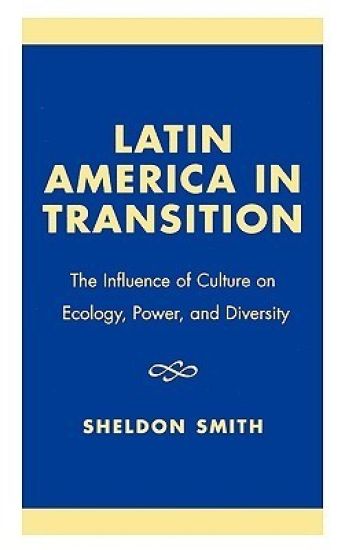
This book relies on a global studies (interdisciplinary) paradigm to study the basic transitions through which Latin America has gone over the last millennium. The global studies approach relies on an understanding of the distinct transitions through which cultures of Latin America have passed as they have adapted to global economic and political forces since the Sixteenth Century. Unlike dependency or world systems theories, a global studies paradigm does not accept the idea that cultures and peoples are passive to globalization or capitalism. This work shows that Latin American institutions can only be understood as embedded in Latin American culture, which is a product of history and adaptation, and has interacted with quite distinct global systems for the last five centuries. The book presents the case that, until very recently, the economic institutions of Latin America were not capitalistic, but either mercantilist or corporatist. Only since 1985 have Latin American countries adopted capitalism and democracy, and these have not been a failure. While this book stresses political and economic analyses, it also examines the impact of corporatism (state capitalism) on ecosystems, demographics, social systems, and cultural forms. The book is a largely upbeat and positive examination of the new phenomenon of globalization in Latin America.
This book relies on a global studies (interdisciplinary) paradigm to study the basic transitions through which Latin America has gone over the last millennium. The global studies approach relies on an understanding of the distinct transitions through which cultures of Latin America have passed as they have adapted to global economic and political forces since the Sixteenth Century. Unlike dependency or world systems theories, a global studies paradigm does not accept the idea that cultures and peoples are passive to globalization or capitalism. This work shows that Latin American institutions can only be understood as embedded in Latin American culture, which is a product of history and adaptation, and has interacted with quite distinct global systems for the last five centuries. The book presents the case that, until very recently, the economic institutions of Latin America were not capitalistic, but either mercantilist or corporatist. Only since 1985 have Latin American countries adopted capitalism and democracy, and these have not been a failure. While this book stresses political and economic analyses, it also examines the impact of corporatism (state capitalism) on ecosystems, demographics, social systems, and cultural forms. The book is a largely upbeat and positive examination of the new phenomenon of globalization in Latin America.

This revised edition offers a non-polemic and pragmatic multidisciplinary perspective called the 'theory of blocked transitions'. This theory works to answer the question 'Why have some societies been successful in going through transitions, while others have been 'blocked in'?
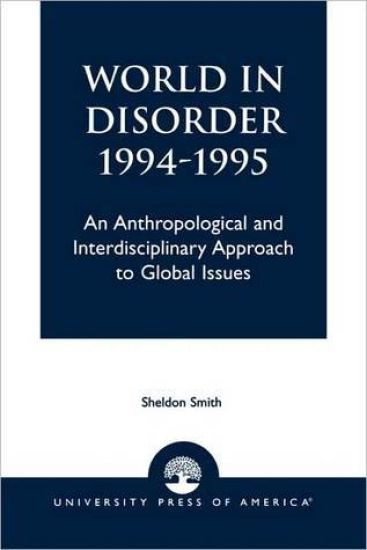
This revised edition offers a non-polemic and pragmatic multidisciplinary perspective called the 'theory of blocked transitions'. This theory works to answer the question 'Why have some societies been successful in going through transitions, while others have been 'blocked in'?