Kirjojen hintavertailu. Mukana 12 459 402 kirjaa ja 12 kauppaa.

Kirjailija

Shelly A. Wiechelt

Kirjat ja teokset yhdessä paikassa: 2 kirjaa, julkaisuja vuodelta 2023, suosituimpien joukossa The Compassionate Court?. Vertaile teosten hintoja ja tarkista saatavuus suomalaisista kirjakaupoista.

2 kirjaa

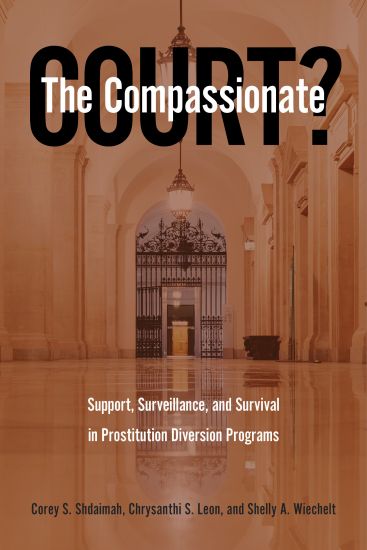
The Compassionate Court?

The Compassionate Court?

Corey S. Shdaimah; Chrysanthi S. Leon; Shelly A. Wiechelt

TEMPLE UNIVERSITY PRESS,U.S.
2023
sidottu
Laws subject people who perform sex work to arrest and prosecution. The Compassionate Court? assesses two prostitution diversion programs (PDPs) that offer to “rehabilitate” people arrested for street-based sex work as an alternative to incarceration. However, as the authors show, these PDPs often fail to provide sustainable alternatives to their mandated clients. Participants are subjected to constant surveillance and obligations, which creates a paradox of responsibility in conflict with the system’s logic of rescue. Moreover, as the participants often face shame and re-traumatization as a price for services, poverty and other social problems, such as structural oppression, remain in place. The authors of The Compassionate Court? provide case studies of such programs and draw upon interviews and observations conducted over a decade to reveal how participants and professionals perceive court-affiliated PDPs, clients, and staff. Considering the motivations, vision, and goals of these programs as well as their limitations-the inequity and disempowerment of their participants-the authors also present their own changing perspectives on prostitution courts, diversion programs, and criminalization of sex work.
The Compassionate Court?

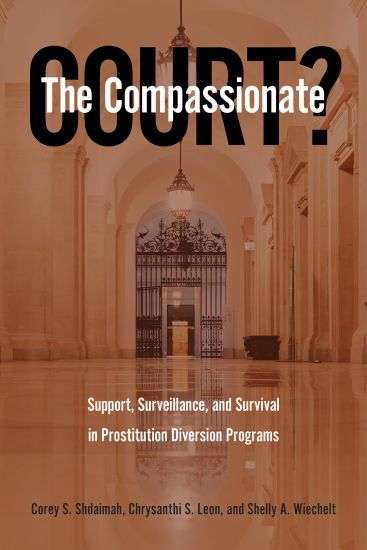
The Compassionate Court?

Corey S. Shdaimah; Chrysanthi S. Leon; Shelly A. Wiechelt

TEMPLE UNIVERSITY PRESS,U.S.
2023
nidottu
Laws subject people who perform sex work to arrest and prosecution. The Compassionate Court? assesses two prostitution diversion programs (PDPs) that offer to “rehabilitate” people arrested for street-based sex work as an alternative to incarceration. However, as the authors show, these PDPs often fail to provide sustainable alternatives to their mandated clients. Participants are subjected to constant surveillance and obligations, which creates a paradox of responsibility in conflict with the system’s logic of rescue. Moreover, as the participants often face shame and re-traumatization as a price for services, poverty and other social problems, such as structural oppression, remain in place. The authors of The Compassionate Court? provide case studies of such programs and draw upon interviews and observations conducted over a decade to reveal how participants and professionals perceive court-affiliated PDPs, clients, and staff. Considering the motivations, vision, and goals of these programs as well as their limitations-the inequity and disempowerment of their participants-the authors also present their own changing perspectives on prostitution courts, diversion programs, and criminalization of sex work.