

Kirjailija
Sherryl Vint
Kirjat ja teokset yhdessä paikassa: 14 kirjaa, julkaisuja vuosilta 2007-2026, suosituimpien joukossa Reactionary Worldbuilding. Vertaile teosten hintoja ja tarkista saatavuus suomalaisista kirjakaupoista.
14 kirjaa
Kirjojen julkaisuhaarukka 2007-2026.
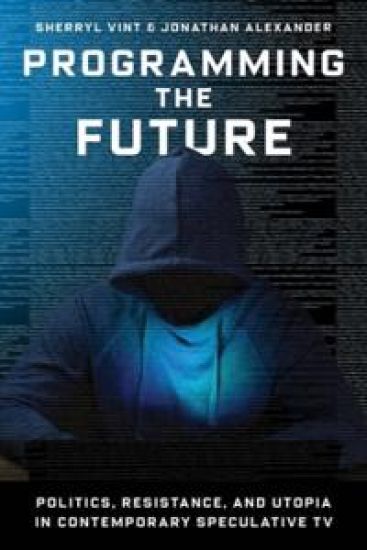
From 9/11 to COVID-19, the twenty-first century looks increasingly dystopian—and so do its television shows. Long-form science fiction narratives take one step further the fears of today: liberal democracy in crisis, growing economic precarity, the threat of terrorism, and omnipresent corporate control. At the same time, many of these shows attempt to visualize alternatives, using dystopian extrapolations to spotlight the possibility of building a better world.Programming the Future examines how recent speculative television takes on the contradictions of the neoliberal order. Sherryl Vint and Jonathan Alexander consider a range of popular SF narratives of the last two decades, including Battlestar Galactica, Watchmen, Colony, The Man in the High Castle, The Expanse, and Mr. Robot. They argue that science fiction television foregrounds governance as part of explaining the novel institutions and norms of its imagined futures. In so doing, SF shows allegorize and critique contemporary social, political, and economic developments, helping audiences resist the naturalization of the status quo. Vint and Alexander also draw on queer theory to explore the representation of family structures and their relationship to larger social structures. Recasting both dystopian and utopian narratives, Programming the Future shows how depictions of alternative-world political struggles speak to urgent real-world issues of identity, belonging, and social and political change.
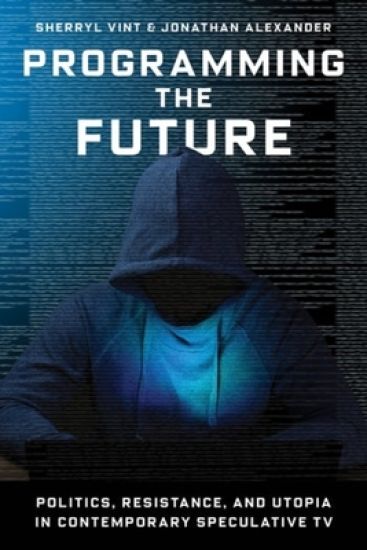
From 9/11 to COVID-19, the twenty-first century looks increasingly dystopian—and so do its television shows. Long-form science fiction narratives take one step further the fears of today: liberal democracy in crisis, growing economic precarity, the threat of terrorism, and omnipresent corporate control. At the same time, many of these shows attempt to visualize alternatives, using dystopian extrapolations to spotlight the possibility of building a better world.Programming the Future examines how recent speculative television takes on the contradictions of the neoliberal order. Sherryl Vint and Jonathan Alexander consider a range of popular SF narratives of the last two decades, including Battlestar Galactica, Watchmen, Colony, The Man in the High Castle, The Expanse, and Mr. Robot. They argue that science fiction television foregrounds governance as part of explaining the novel institutions and norms of its imagined futures. In so doing, SF shows allegorize and critique contemporary social, political, and economic developments, helping audiences resist the naturalization of the status quo. Vint and Alexander also draw on queer theory to explore the representation of family structures and their relationship to larger social structures. Recasting both dystopian and utopian narratives, Programming the Future shows how depictions of alternative-world political struggles speak to urgent real-world issues of identity, belonging, and social and political change.

Biopolitical Futures in Twenty-First-Century Speculative Fiction
Sherryl Vint
Cambridge University Press
2021
sidottu
Drawing on a rich array of twenty-first-century speculative fiction, this book demonstrates how the commodification of life through biotechnology has far-reaching implications for how we think of personhood, agency, and value. Sherryl Vint argues that neoliberalism is reinventing life under biocapital. She offers new biopolitical figurations that can help theoretically grasp and politically respond to a distinctive twenty-first-century biopolitics. This book theorizes how biotechnology intervenes in the very processes of biological function, reshaping life itself to serve economic ends. Linking fictional texts with material examples, Biopolitical Futures in Twenty-First-Century Speculative Fiction shows how these practices are linked to new modes of exploitative economic relations that cannot be redressed by human rights. It concludes with a posthumanist reframing of the value of life that grounds itself elsewhere than in capitalist logics, a vision that, in a Covid age, might become fundamental to a new politics of ecological relations.
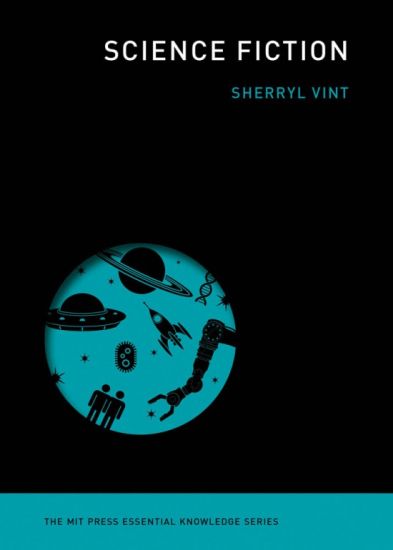
The world today seems to be slipping into a science fiction future. We have phones that speak to us, cars that drive themselves, and connected devices that communicate with each other in languages we don't understand. Depending the news of the day, we inhabit either a technological utopia or Brave New World nightmare. This volume in the MIT Press Essential Knowledge surveys the uses of science fiction. It focuses on what is at the core of all definitions of science fiction- a vision of the world made otherwise and what possibilities might flow from such otherness.
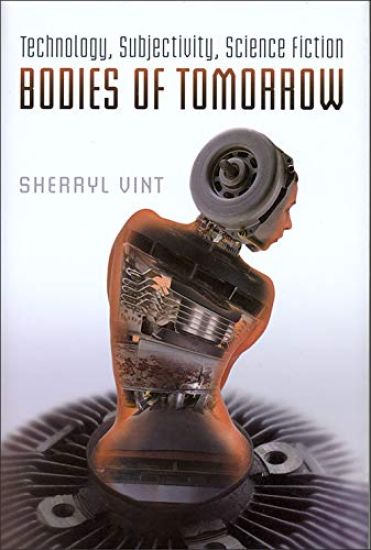
Anxieties about embodiment and posthumanism have always found an outlet in the science fiction of the day. In Bodies of Tomorrow, Sherryl Vint argues for a new model of an ethical and embodied posthuman subject through close readings of the works of Gwyneth Jones, Octavia Butler, Iain M. Banks, William Gibson, and other science fiction authors. Vint's discussion is firmly contextualized by discussions of contemporary technoscience, specifically genetics and information technology, and the implications of this technology for the way we consider human subjectivity. Engaging with theorists such as Michel Foucault, Judith Butler, Anne Balsamo, N. Katherine Hayles, and Douglas Kellner,Bodies of Tomorrow argues for the importance of challenging visions of humanity in the future that overlook our responsibility as embodied beings connected to a material world. If we are to understand the post-human subject, then we must acknowledge our embodied connection to the world around us and the value of our multiple subjective responses to it. Vint's study thus encourages a move from the common liberal humanist approach to posthuman theory toward what she calls 'embodied posthumanism.' This timely work of science fiction criticism will prove fascinating to cultural theorists, philosophers, and literary scholars alike, as well as anyone concerned with the ethics of posthumanism.

From its beginnings in the works of H.G. Wells and Jules Verne to the virtual worlds of William Gibson's Neuromancer and The Matrix, Science Fiction: A Guide to the Perplexed helps students navigate the often perplexing worlds of a perennially popular genre. Drawing on literature as well as example from film and television, the book explores the different answers that criticism has offered to the vexed question, ‘what is science fiction?' Each chapter of the book includes case studies of key texts, annotated guides to further reading and suggestions for class discussion to help students master the full range of contemporary critical approaches to the field, including the scientific, technological and political contexts in which the genre has flourished. Ranging from an understanding of the genre through the stereotypes of 1930s pulps through more recent claims that we are living in a science fictional moment, this volume will provide a comprehensive overview of this diverse and fascinating genre.

From its beginnings in the works of H.G. Wells and Jules Verne to the virtual worlds of William Gibson's Neuromancer and The Matrix, Science Fiction: A Guide to the Perplexed helps students navigate the often perplexing worlds of a perennially popular genre. Drawing on literature as well as example from film and television, the book explores the different answers that criticism has offered to the vexed question, ‘what is science fiction?' Each chapter of the book includes case studies of key texts, annotated guides to further reading and suggestions for class discussion to help students master the full range of contemporary critical approaches to the field, including the scientific, technological and political contexts in which the genre has flourished. Ranging from an understanding of the genre through the stereotypes of 1930s pulps through more recent claims that we are living in a science fictional moment, this volume will provide a comprehensive overview of this diverse and fascinating genre.
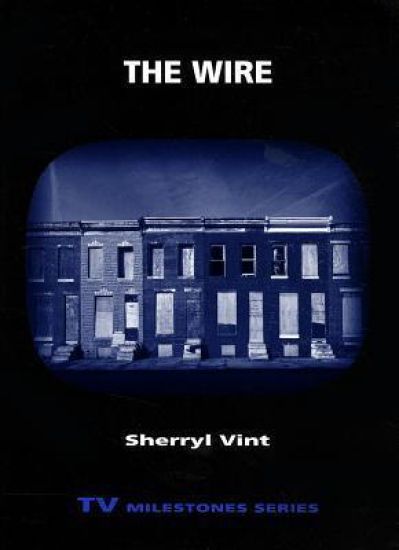
Frequently described by creator David Simon as a novel for television, The Wire redefined the police serial format by unfolding its narrative across many episodes, constructing themes for each of its seasons, and refusing to portray individual crimes outside of their social context. While it never achieved spectacular ratings or won an Emmy during its 2002-2008 run on HBO, the show was honored with several awards and has been described by critics as the best show on television. In this volume, author Sherryl Vint takes a close look at several episodes of The Wire to argue that the series challenges our understanding of the relationship between entertainment and social critique.Informed by recent work on race, poverty, and the transformation of the American inner city through neoliberalism, Vint provides a compelling analysis of The Wire in four chapters. First, she examines the season 1 episode ""The Buys"" as an example of the ways in which The Wire diverges from the police procedural format. She continues by considering season 2's ""All's Prologue"" and season 3's ""Middle Ground"" to explore in more detail The Wire's critique of the exclusions of the capitalist economy. In the final two chapters, she looks at ""Final Grades,"" the fourth season finale, to highlight the problems with institutional inertia and show both the need for and barriers to reform, and uses the season 5 episode ""Clarifications"" to consider the failure of the media to adequately reflect the social issues depicted in The Wire.One of the landmark series of recent television history, The Wire is ripe for research and discussion. Fans of the series and those interested in social commentary and the media will appreciate Vint's new analysis in this volume.
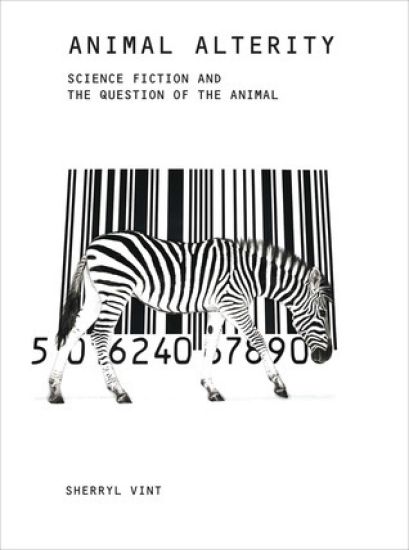
Animal Alterity uses readings of science fiction texts to explore the centrality of animals for our ways of thinking about human. It argues that the academic field of animal studies and the popular genre of science fiction share a number a critical concerns: thinking about otherness and the nature of human being; desiring communication across species difference; and interrogating the social and ethical consequences of changes in science and technology. We are living in a complex set of contradictory and conflicting relations with non-human animals. This book maps this complex terrain, arguing that we are better able to perceive options for a transformed politics if we perceive our various material relations with non-human animals within a deeper understanding of the functions of the category ‘animal’.
The term ‘science fiction’ has an established common usage, but close examination reveals that writers, fans, editors, scholars, and publishers often use this word in different ways for different reasons. Exploring how science fiction has emerged through competing versions and the struggle to define its limits, this Concise History: provides an accessible and clear overview of the development of the genretraces the separation of sf from a broader fantastic literature and the simultaneous formation of neighbouring genres, such as fantasy and horrorshows the relationship between magazine and paperback traditions in sf publishingis organised by theme and presented chronologicallyuses text boxes throughout to highlight key works in sf traditions including dystopian, apocalyptic and evolutionary fictionincludes a short overview and bullet-pointed conclusion for each chapter.Discussing the place of key works and looking forward to the future of the genre, this book is the ideal starting point both for students and all those seeking a better understanding of science fiction.

The term ‘science fiction’ has an established common usage, but close examination reveals that writers, fans, editors, scholars, and publishers often use this word in different ways for different reasons. Exploring how science fiction has emerged through competing versions and the struggle to define its limits, this Concise History: provides an accessible and clear overview of the development of the genretraces the separation of sf from a broader fantastic literature and the simultaneous formation of neighbouring genres, such as fantasy and horrorshows the relationship between magazine and paperback traditions in sf publishingis organised by theme and presented chronologicallyuses text boxes throughout to highlight key works in sf traditions including dystopian, apocalyptic and evolutionary fictionincludes a short overview and bullet-pointed conclusion for each chapter.Discussing the place of key works and looking forward to the future of the genre, this book is the ideal starting point both for students and all those seeking a better understanding of science fiction.
Animal Alterity uses readings of science fiction texts to explore the centrality of animals for our ways of thinking about human. It argues that the academic field of animal studies and the popular genre of science fiction share a number a critical concerns: thinking about otherness and the nature of human being; desiring communication across species difference; and interrogating the social and ethical consequences of changes in science and technology. We are living in a complex set of contradictory and conflicting relations with non-human animals. This book maps this complex terrain, arguing that we are better able to perceive options for a transformed politics if we perceive our various material relations with non-human animals within a deeper understanding of the functions of the category ‘animal’.
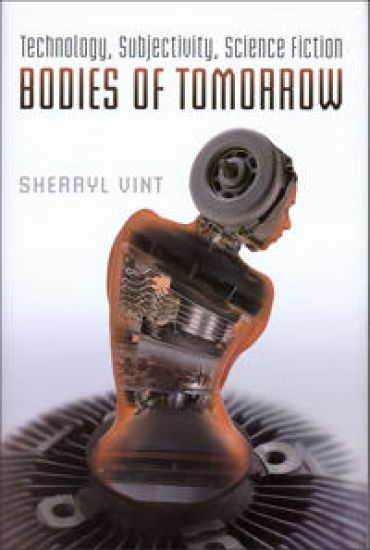
Anxieties about embodiment and posthumanism have always found an outlet in the science fiction of the day. In Bodies of Tomorrow, Sherryl Vint argues for a new model of an ethical and embodied posthuman subject through close readings of the works of Gwyneth Jones, Octavia Butler, Iain M. Banks, William Gibson, and other science fiction authors. Vint's discussion is firmly contextualized by discussions of contemporary technoscience, specifically genetics and information technology, and the implications of this technology for the way we consider human subjectivity. Engaging with theorists such as Michel Foucault, Judith Butler, Anne Balsamo, N. Katherine Hayles, and Douglas Kellner,Bodies of Tomorrow argues for the importance of challenging visions of humanity in the future that overlook our responsibility as embodied beings connected to a material world. If we are to understand the post-human subject, then we must acknowledge our embodied connection to the world around us and the value of our multiple subjective responses to it. Vint's study thus encourages a move from the common liberal humanist approach to posthuman theory toward what she calls 'embodied posthumanism.' This timely work of science fiction criticism will prove fascinating to cultural theorists, philosophers, and literary scholars alike, as well as anyone concerned with the ethics of posthumanism.