Kirjojen hintavertailu. Mukana 12 595 353 kirjaa ja 12 kauppaa.

Kirjailija

Shmuel Abramzon

Kirjat ja teokset yhdessä paikassa: 7 kirjaa, julkaisuja vuosilta 2013-2016, suosituimpien joukossa Developing Long-Term Socioeconomic Strategy in Israel. Vertaile teosten hintoja ja tarkista saatavuus suomalaisista kirjakaupoista.

7 kirjaa

Kirjojen julkaisuhaarukka 2013-2016.

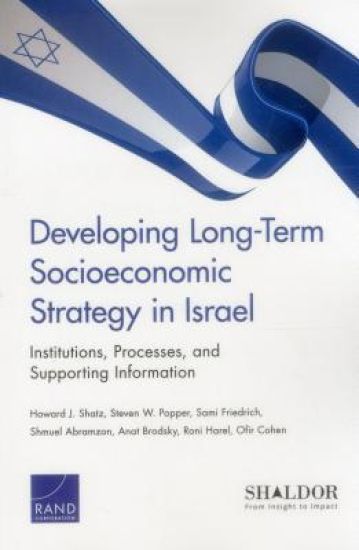
Developing Long-Term Socioeconomic Strategy in Israel

Developing Long-Term Socioeconomic Strategy in Israel

Howard J. Shatz; Steven W. Popper; Sami Friedrich; Shmuel Abramzon; Anat Brodsky; Roni Harel; Ofir Cohen

RAND
2016
pokkari
Israel has not routinely developed and successfully implemented strategic responses to socioeconomic problems that demand longer-term, coordinated policy action. Researchers developed detailed recommendations for the Israeli government to apply a strategic perspective toward socioeconomic issues and develop a formal socioeconomic strategy should it wish to do so.
Calculating the Gross Regional Product of the Kurdistan Regioniraq

Calculating the Gross Regional Product of the Kurdistan Regioniraq

Shmuel Abramzon; Nicholas Burger; Peter Glick; Krishna B. Kumar; Cheryl K. Montemayor; Nelly Mejia; Shanthi Nataraj; Francisco Perez-Arce; Claude Messan Setodji

RAND
2016
pokkari
This report presents estimates of the gross regional product (GRP) of the Kurdistan Region Iraq in 2012 (excluding natural resources, because of lack of available data). It also describes efforts to set up a system for continuing data collection and analysis to support the annual calculation of the GRP, a critical indicator for successful policy planning."
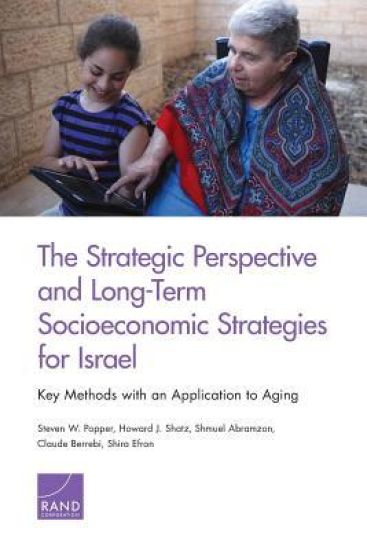
The Strategic Perspective and Long-Term Socioeconomic Strategies for Israel

The Strategic Perspective and Long-Term Socioeconomic Strategies for Israel

Steven W. Popper; Howard J. Shatz; Shmuel Abramzon; Claude Berrebi; Shira Efron

RAND
2015
pokkari
RAND researchers supported a high-level Israeli government team tasked with improving long-term socioeconomic strategy for the state. This report highlights selected inputs made to the government team to summarize the essential mechanics and roles for bringing a strategic perspective to policy consideration. To show how one can use a strategic perspective in an analysis of policy choices, the report uses the example of an aging population.
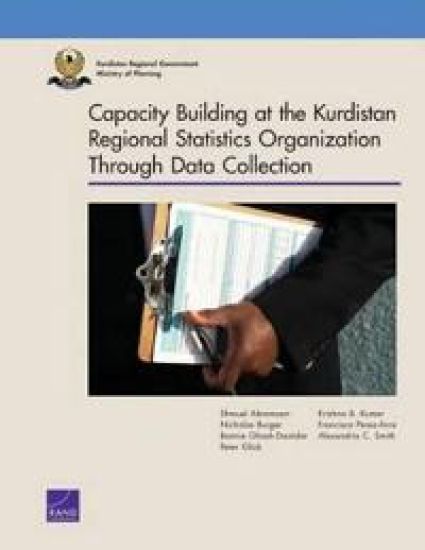
Capacity Building at the Kurdistan Region Statistics Office Through Data Collection

Capacity Building at the Kurdistan Region Statistics Office Through Data Collection

Shmuel Abramzon; Nicholas Burger; Bonnie Ghosh-Dastidar; Peter Glick; Krishna B. Kumar; Francisco Perez-Arce; Alexandria C. Smith

RAND
2014
pokkari
The Kurdistan Region of Iraq needs policy-relevant data to help improve infrastructure, encourage the private sector, attract foreign investment, and foster economic growth. The Kurdistan Region Statistics Office needs to build capacity to collect the data. RAND worked closely with the Office to build capacity by preparing, conducting, and analyzing the first round of a survey of the regional labor force.
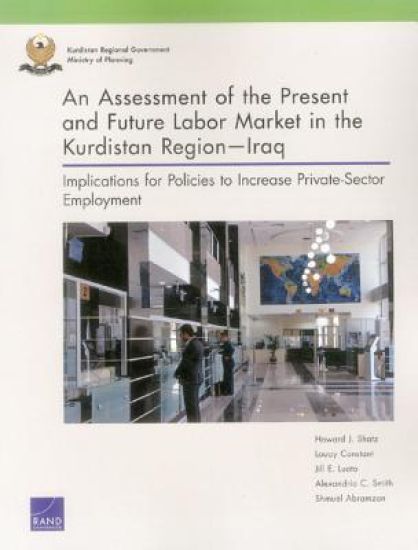
An Assessment of the Present and Future Labor Market in the Kurdistan Regioniraq

An Assessment of the Present and Future Labor Market in the Kurdistan Regioniraq

Howard J. Shatz; Louay Constant; Jill E. Luoto; Alexandria C. Smith; Shmuel Abramzon

RAND
2014
pokkari
The study addresses the question of how the Kurdistan Regional Government can improve the private-sector labor market in the Kurdistan Region Iraq. Doing so will involve creating mechanisms by which job-seekers can develop the right skills and find employers who will hire them, employers can find the employees they need, and the government can create an enabling environment in which the best matches between job-seekers and employers can be made."
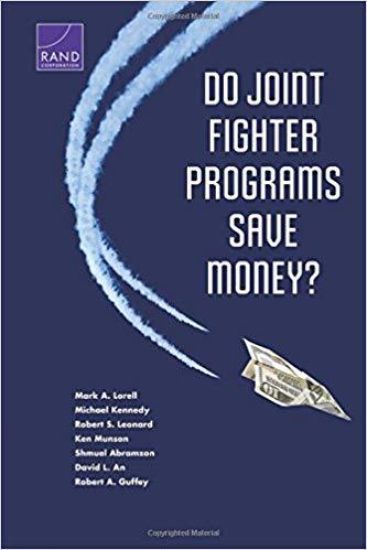
Do Joint Fighter Programs Save Money?

Do Joint Fighter Programs Save Money?

Mark A. Lorell; Michael Kennedy; Robert S. Leonard; Ken Munson; Shmuel Abramzon; David L. An; Robert A. Guffey

RAND
2013
pokkari
This report analyzes costs and savings of joint aircraft acquisition programs, whether historical joint aircraft programs have saved Life Cycle Cost (LCC) over single-service programs, whether the Joint Strike Fighter is on track to achieving the originally anticipated LCC savings, and the implications of joint fighter programs for the industrial base and for operational and strategic risk.
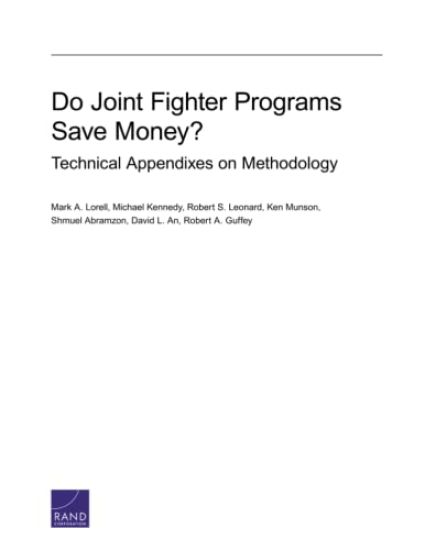
Do Joint Fighter Programs Save Money

Do Joint Fighter Programs Save Money

Mark A. Lorell; Michael Kennedy; Robert S. Leonard; Ken Munson; Shmuel Abramzon; David L. An; Robert A. Guffey

RAND
2013
pokkari
These appendixes explain the methodology used in an analysis of the costs and savings of joint aircraft acquisition programs. They illustrate calculations for theoretical maximum joint aircraft savings in acquisition and in operations and support, historical joint aircraft cost-growth premiums, savings needed to offset premiums, and two cost-comparison methodologies.