Kirjojen hintavertailu. Mukana 12 595 353 kirjaa ja 12 kauppaa.

Kirjailija

Shweta R. Bhat

Kirjat ja teokset yhdessä paikassa: 13 kirjaa, julkaisuja vuosilta 2018-2025, suosituimpien joukossa Orthodontic Tooth Movement : Biological Perspectives. Vertaile teosten hintoja ja tarkista saatavuus suomalaisista kirjakaupoista.

Mukana myös kirjoitusasut: Shweta R Bhat

13 kirjaa

Kirjojen julkaisuhaarukka 2018-2025.

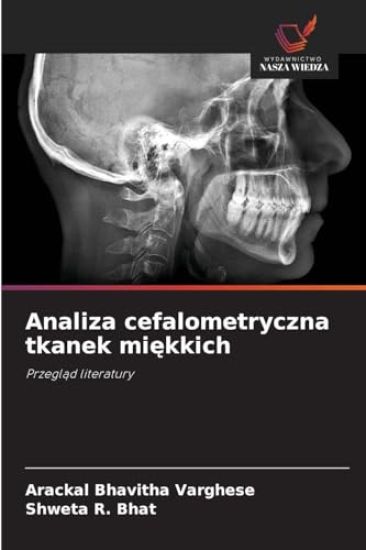
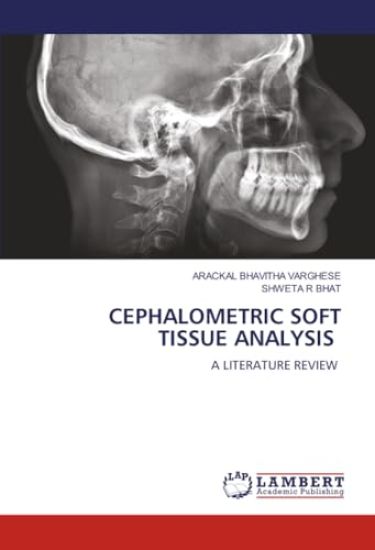
Analiza cefalometryczna tkanek miękkich

Analiza cefalometryczna tkanek miękkich

Arackal Bhavitha Varghese; Shweta R. Bhat

Wydawnictwo Nasza Wiedza
2025
nidottu
Korekta ortodontyczna nie zawsze poprawia lub utrzymuje estetykę twarzy, a czasami może nawet zaszkodzic r wnowadze twarzy. W ciągu ostatnich dw ch dekad diagnostyka ortodontyczna zmienila się z koncentrowania się na tkankach twardych na kladzenie większego nacisku na tkanki miękkie, napędzane rosnącym uznaniem pacjent w dla poprawy wyglądu twarzy i uśmiechu. Obecnie planowanie leczenia ortodontycznego przedklada relacje tkanek miękkich nad tkanki twarde.
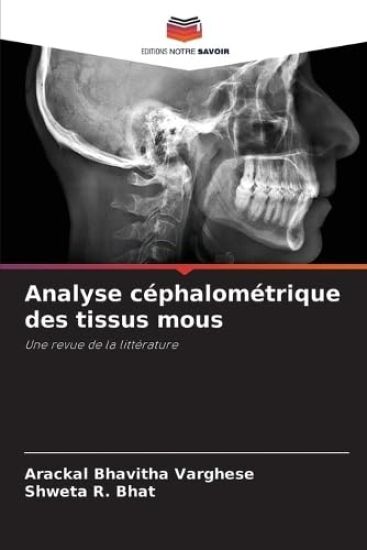
Analyse céphalométrique des tissus mous

Analyse céphalométrique des tissus mous

Arackal Bhavitha Varghese; Shweta R. Bhat

Editions Notre Savoir
2025
nidottu
La correction orthodontique ne permet pas toujours d'am liorer ou de pr server l'esth tique du visage, et peut m me parfois nuire l' quilibre facial. Au cours des deux derni res d cennies, le diagnostic orthodontique est pass d'une approche centr e sur les tissus durs une approche centr e sur les tissus mous, en raison de la reconnaissance croissante par les patients de l'am lioration de l'apparence du visage et du sourire. Aujourd'hui, la planification du traitement orthodontique donne la priorit aux relations entre les tissus mous et les tissus durs.
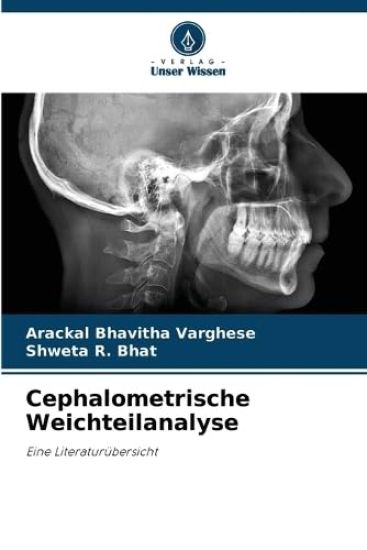
Cephalometrische Weichteilanalyse

Cephalometrische Weichteilanalyse

Arackal Bhavitha Varghese; Shweta R. Bhat

Verlag Unser Wissen
2025
nidottu
Kieferorthop dische Korrekturen verbessern oder erhalten nicht immer die sthetik des Gesichts, und manchmal k nnen sie sogar das Gleichgewicht des Gesichts beeintr chtigen. In den letzten zwei Jahrzehnten hat sich die kieferorthop dische Diagnose von der Fokussierung auf das Hartgewebe hin zu einer st rkeren Betonung des Weichgewebes verlagert, da die Patienten zunehmend Verbesserungen im Aussehen des Gesichts und des L chelns erkennen. Heute wird bei der kieferorthop dischen Behandlungsplanung den Weichgewebsbeziehungen Vorrang vor dem Hartgewebe einger umt.
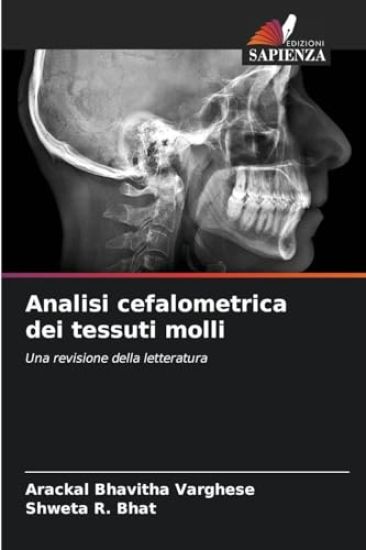
Analisi cefalometrica dei tessuti molli

Analisi cefalometrica dei tessuti molli

Arackal Bhavitha Varghese; Shweta R. Bhat

Edizioni Sapienza
2025
nidottu
La correzione ortodontica non sempre migliora o mantiene l'estetica del viso, e a volte pu persino danneggiare l'equilibrio facciale. Negli ultimi vent'anni, la diagnosi ortodontica si spostata dall'attenzione ai tessuti duri all'enfasi sui tessuti molli, grazie al crescente riconoscimento da parte dei pazienti dei miglioramenti nell'aspetto del viso e del sorriso. Oggi la pianificazione del trattamento ortodontico d la priorit alle relazioni tra tessuti molli e tessuti duri.
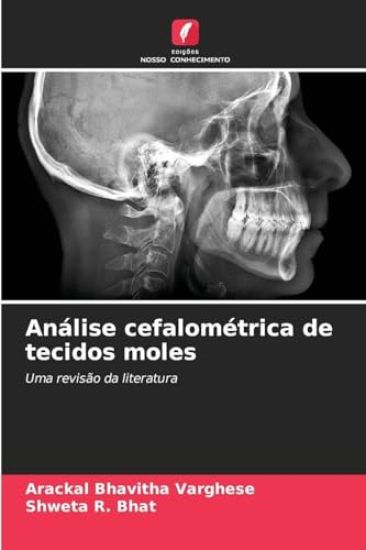
Análise cefalométrica de tecidos moles

Análise cefalométrica de tecidos moles

Arackal Bhavitha Varghese; Shweta R. Bhat

Edicoes Nosso Conhecimento
2025
nidottu
A corre o ortod ntica nem sempre melhora ou mant m a est tica facial e, por vezes, pode at prejudicar o equil brio facial. Nas ltimas duas d cadas, o diagn stico ortod ntico deixou de se concentrar nos tecidos duros e passou a dar maior nfase aos tecidos moles, impulsionado pelo crescente reconhecimento dos pacientes quanto melhoria da apar ncia facial e do sorriso. Atualmente, o planeamento do tratamento ortod ntico d prioridade s rela es entre os tecidos moles e os tecidos duros.
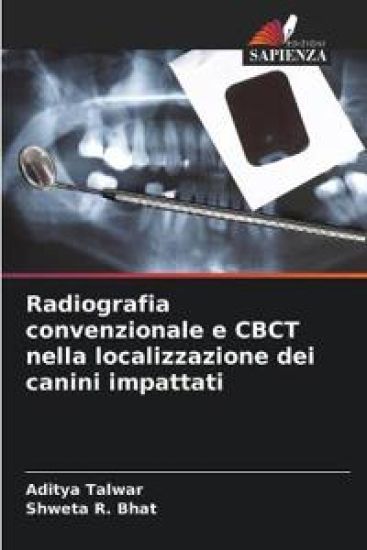
Radiografia convenzionale e CBCT nella localizzazione dei canini impattati
L'imaging un importante complemento diagnostico alla valutazione clinica del paziente. I denti pi comunemente impattati sono i canini mascellari, la cui occorrenza seconda solo all'impattazione del terzo molare mandibolare. Prima dell'avvento della CBCT, le radiografie panoramiche insieme alle viste occlusali erano utilizzate per valutare la posizione dei denti. I progressi nella tecnologia CBCT non solo hanno aiutato l'ortodontista a localizzare i denti in modo pi accurato, ma anche a fornire maggiori dettagli sull'angolazione e la posizione nell'osso. Permettendo cos una pianificazione del trattamento pi accurata ed efficiente da parte dell'ortodontista. Questo libro copre i principi operativi di base di questa modalit di imaging relativamente nuova e confronta il livello di evidenza per localizzare accuratamente i canini mascellari impattati.
Radiographie conventionnelle et CBCT dans la localisation des canines impactées
L'imagerie est un compl ment diagnostique important l' valuation clinique du patient. Les dents les plus fr quemment incluses sont les canines maxillaires, dont l'occurrence est la deuxi me apr s l'inclusion de la troisi me molaire mandibulaire. Avant l'av nement du CBCT, les radiographies panoramiques et les vues occlusales taient utilis es pour valuer la position des dents. Les progr s de la technologie CBCT ont non seulement aid l'orthodontiste localiser les dents avec plus de pr cision, mais aussi donner plus de d tails sur l'angulation et la position dans l'os. Cela permet l'orthodontiste de planifier un traitement plus pr cis et plus efficace. Ce livre couvre les principes de fonctionnement de base de cette modalit d'imagerie relativement nouvelle et compare le niveau de preuve pour localiser avec pr cision les canines maxillaires incluses.
Konventionelle Röntgenaufnahmen und CBCT zur Lokalisierung impaktierter Eckzähne
Die Bildgebung ist eine wichtige diagnostische Erg nzung zur klinischen Beurteilung des Patienten. Die am h ufigsten impaktierten Z hne sind die Oberkiefer-Eckz hne, die nach den dritten Unterkiefermolaren am h ufigsten impaktiert sind. Vor dem Aufkommen der CBCT wurden Panoramar ntgenaufnahmen zusammen mit Okklusalansichten zur Beurteilung der Zahnstellung verwendet. Die Fortschritte in der CBCT-Technologie haben dem Kieferorthop den nicht nur geholfen, die Z hne genauer zu lokalisieren, sondern auch mehr Details ber die Angulation und Position im Knochen zu liefern. Dies erm glicht eine genauere und effizientere Behandlungsplanung durch den Kieferorthop den. In diesem Buch werden die grundlegenden Funktionsprinzipien dieser relativ neuen Bildgebungsmodalit t behandelt und die Evidenzlage f r die genaue Lokalisierung impaktierter Oberkiefer-Eckz hne verglichen.
Conventional Radiography & CBCT in Localising Impacted Canines

Conventional Radiography & CBCT in Localising Impacted Canines

Aditya Talwar; Shweta R Bhat

LAP Lambert Academic Publishing
2019
pokkari
Imaging is an important diagnostic adjunct to the clinical assessment of the patient. The most commonly impacted teeth are the maxillary canines whose occurrence is second to only the mandibular third molar impaction. Before the advent of CBCT, panoramic radiographs along with occlusal views were used to assess the tooth position. Advances in CBCT technology have not only helped the orthodontist in localizing the teeth more accurately but also in giving more details of the angulation and position in the bone. Thus enabling a more accurate and efficient treatment planning by the orthodontist. This book covers the basic operating principles of this relatively new imaging modality and comparing the level of evidence for accurately localising impacted maxillary canine.
Orthodontic Tooth Movement

Orthodontic Tooth Movement

Teena Dodeja; Shweta R Bhat

LAP Lambert Academic Publishing
2018
pokkari
Orthodontics is the branch of dentistry which involves movement of the teeth through mechanical means. Initially orthodontics was taught primarily as mechanical endeavour, but the work of many researchers showed that orthodontists are dealing with the PDL and bone cells through these mechanics. Biological expression of tooth movement varies in every individual due to genetic and environmental factors. Hence understanding the cascades of events occurring after orthodontic force application helps the orthodontist to control the quantity and quality of the force system applied to the teeth. This book is an attempt to show that the biology is an integral part of orthodontic tooth movement. Understanding of these events also aids in increasing the velocity of orthodontic tooth movement while maintaining the tissue integrity. Hence the clinician's interference with the biological systems should be optimized in order to improve treatment efficacy, stability and minimize relapse.