Kirjojen hintavertailu. Mukana 12 595 353 kirjaa ja 12 kauppaa.

Kirjailija

Siddhartha Deb

Kirjat ja teokset yhdessä paikassa: 7 kirjaa, julkaisuja vuosilta 2004-2025, suosituimpien joukossa Tamas. Vertaile teosten hintoja ja tarkista saatavuus suomalaisista kirjakaupoista.

7 kirjaa

Kirjojen julkaisuhaarukka 2004-2025.

Tamas

Tamas

Bhisham Sahni; Siddhartha Deb

PENGUIN BOOKS LTD
2025
pokkari
Tamas, Bhisham Sahni’s 1973 novel, is a product of the Partition’s devastation. It drew immediate and universal critical acclaim for its poignant and striking retelling of Partition and its bloody aftermath. Tamas is a story about how simmering communal tensions snowball into full-fledged riots that grip villages across the subcontinent. In a city in undivided Punjab, Nathu, a tanner, is bribed to kill a pig. When the animal’s carcass is discovered on the steps of the local mosque the next morning, brewing tensions explode into riots and massacre. A seemingly well planned and executed job by the British plants seeds of mistrust and hatred among those who, until the day before, had been close friends and neighbours. Tamas is a chilling reminder of the consequences of religious intolerance and communal prejudice.
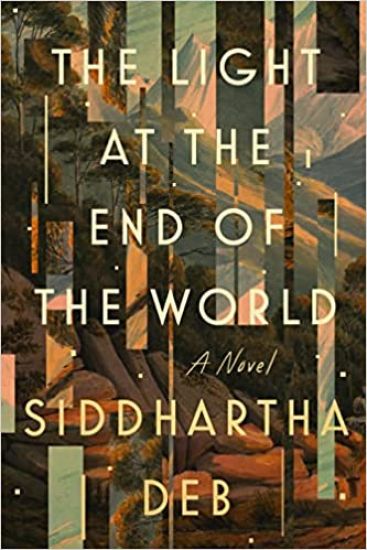
The Light at the End of the World

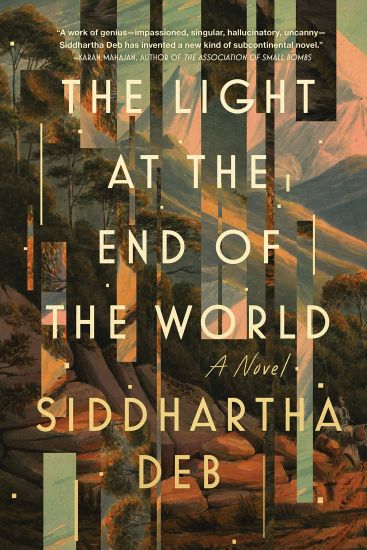
The Light at the End of the World

Siddhartha Deb

Soho Press
2024
nidottu
Connecting India's tumultuous 19th and 20th centuries to its distant past and its potentially apocalyptic future, this sweeping tale of rebellion, courage, and brutality reinvents fiction for our time. Delhi, the near future: Bibi, a low-ranking employee of a global consulting firm, is tasked with finding a man long thought to be dead but who now appears to be the source of a vast collection of documents. The trove purports to reveal the secrets of the Indian government, including detention centers, mutated creatures, engineered viruses, experimental weapons, and alien wrecks discovered in remote mountain areas. Bhopal, 1984: an assassin tracks his prey through an Indian city that will shortly be the site of the worst industrial disaster in the history of the world. Calcutta, 1947: a veterinary student's life and work connect him to an ancient Vedic aircraft that might stave off genocide. And in 1859, a British soldier rides with his detachment to the Himalayas in search of the last surviving leader of an anti-colonial rebellion. These timelines interweave to form a kaleidoscopic, epic novel in which each protagonist must come to terms with the buried truths of their times as well as with the parallel universe that connects them all, through automatons, spirits, spacecraft, and aliens. The Light at the End of the World, Siddhartha Deb's first novel in fifteen years, is a magisterial work of shifting forms, expanding the possibilities of fiction while bringing to life the India of our times.
The Light At The End Of The World

The Light At The End Of The World

Siddhartha Deb

Soho Press
2023
sidottu
Connecting India's tumultuous 19th and 20th centuries to its distant past and its potentially apocalyptic future, this sweeping tale of rebellion, courage, and brutality reinvents fiction for our time. Delhi, the near future: Bibi, a low-ranking employee of a global consulting firm, is tasked with finding a man long thought to be dead but who now appears to be the source of a vast collection of documents. The trove purports to reveal the secrets of the Indian government, including detention centers, mutated creatures, engineered viruses, experimental weapons, and alien wrecks discovered in remote mountain areas. Bhopal, 1984: an assassin tracks his prey through an Indian city that will shortly be the site of the worst industrial disaster in the history of the world. Calcutta, 1947: a veterinary student's life and work connect him to an ancient Vedic aircraft that might stave off genocide. And in 1859, a British soldier rides with his detachment to the Himalayas in search of the last surviving leader of an anti-colonial rebellion. These timelines interweave to form a kaleidoscopic, epic novel in which each protagonist must come to terms with the buried truths of their times as well as with the parallel universe that connects them all, through automatons, spirits, spacecraft, and aliens. The Light at the End of the World, Siddhartha Deb's first novel in fifteen years, is a magisterial work of shifting forms, expanding the possibilities of fiction while bringing to life the India of our times.
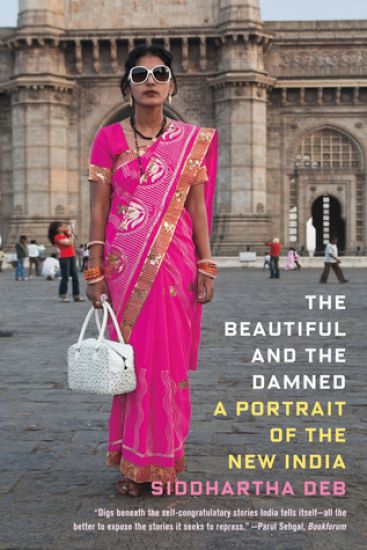
Beautiful and the Damned

Beautiful and the Damned

Siddhartha Deb

Farrar, Straus and Giroux
2012
nidottu
The Beautiful and the Damned presents an affecting, incisive portrait of the vast, fascinating, and incongruent country that is globalized India. Siddhartha Deb grew up in a remote town in the northeastern hills of India and made his way to the United States via a fellowship at Columbia. Six years after leaving home, he returned as an undercover reporter for The Guardian, working at a call center in Delhi in 2004, a time when globalization was fast proceeding and Thomas L. Friedman declared the world flat. Deb's experience interviewing the call-center staff led him to undertake this book and travel throughout the subcontinent. The Beautiful and the Damned examines India's many contradictions through various individual and extraordinary perspectives. With lyrical and commanding prose, Deb introduces the reader to an unforgettable group of Indians, including a Gatsby-like mogul in Delhi whose hobby is producing big-budget gangster films that no one sees; a wiry, dusty farmer named Gopeti whose village is plagued by suicides and was the epicenter of a riot; and a sad-eyed waitress named Esther who has set aside her dual degrees in biochemistry and botany to serve Coca-Cola to arms dealers at an upscale hotel called Shangri La. Like no other writer, Deb humanizes the post-globalization experience--its advantages, failures, and absurdities. India is a country where you take a nap and someone has stolen your job, where you buy a BMW but still have to idle for cows crossing your path. A personal, narrative work of journalism and cultural analysis in the same vein as Adrian Nicole LeBlanc's Random Family and V. S. Naipaul's India series, The Beautiful and the Damned is an important and incisive work. A Publishers Weekly Best Nonfiction BookA Globe and Mail Best Books of the Year
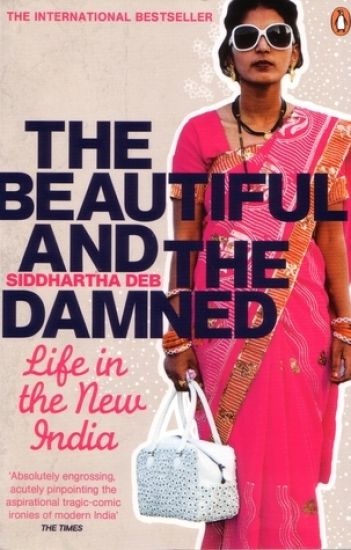
The Beautiful and the Damned

The Beautiful and the Damned

Siddhartha Deb

Penguin Books Ltd
2012
pokkari
Siddhartha Deb grew up in a remote town in the northeastern hills of India and made his way to the United States via a fellowship at Columbia. Six years after leaving home, he returned as an undercover reporter for The Guardian, working at a call center in Delhi in 2004, a time when globalization was fast proceeding and Thomas L. Friedman declared the world flat. Deb's experience interviewing the call-center staff led him to undertake this book and travel throughout the subcontinent.The Beautiful and the Damned examines India's many contradictions through various individual and extraordinary perspectives. With lyrical and commanding prose, Deb introduces the reader to an unforgettable group of Indians, including a Gatsby-like mogul in Delhi whose hobby is producing big-budget gangster films that no one sees; a wiry, dusty farmer named Gopeti whose village is plagued by suicides and was the epicenter of a riot; and a sad-eyed waitress named Esther who has set aside her dual degrees in biochemistry and botany to serve Coca-Cola to arms dealers at an upscale hotel called Shangri La.Like no other writer, Deb humanizes the post-globalization experience--its advantages, failures, and absurdities. India is a country where you take a nap and someone has stolen your job, where you buy a BMW but still have to idle for cows crossing your path. Available for the first time with the controversial and previously unpublished first chapter, The Beautiful and the Damned is as important and incisive today as it was when it was first published.
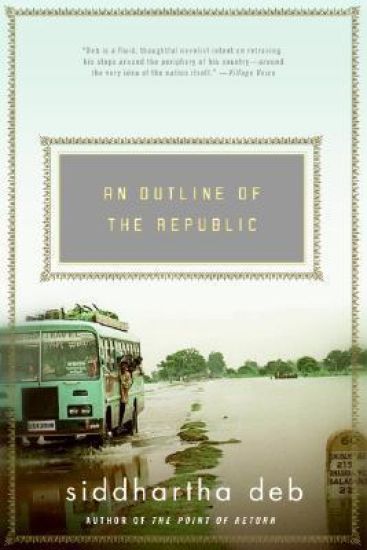
An Outline of the Republic

An Outline of the Republic

Siddhartha Deb

Ecco Press
2006
nidottu
Intrigued by a disturbing photograph of a woman, a young journalist in Calcutta embarks on a quest to learn the story behind the violent incident captured on film -- a strange odyssey that leads him to a volatile remote corner of India mired in civil strife and sustained by timber, drugs, and guns. Yet the truth he hopes to uncover is as uncertain as the mysterious woman he seeks, smoldering dangerously on the border between illusion and reality.
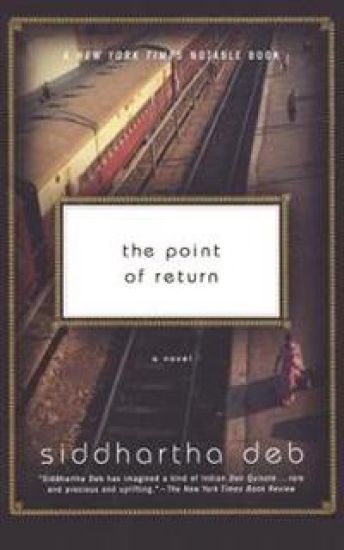
The Point of Return

The Point of Return

Siddhartha Deb

Ecco Press
2004
nidottu
Set in the remote, northeastern hills of India, The point of return revolves around the father-son relationship of a willful, curious boy, Babu, and Doctor Dam, an enigmatic product of British colonial rule and Nehruvian nationalism. Told in reverse chronological order, the novel examines an India where the ideals that brought freedom from colonial rule are beginning to crack under the pressure of new rebellions and conflicts. For Dr. Dam and Babu, this has meant living as strangers in the same home, puzzled and resentful, tied only by blood. As the father grows weary and old and the son tries to understand him, clashes between ethnic groups in their small town show them to be strangers to their country as well. Before long, Babu finds himself embarking on a great journey, an odyssey through the memories of his father, his family, and his nation.