Kirjailija
Sidney Hook
Kirjat ja teokset yhdessä paikassa: 30 kirjaa, julkaisuja vuosilta 1980-2022, suosituimpien joukossa The Paradoxes of Freedom. Vertaile teosten hintoja ja tarkista saatavuus suomalaisista kirjakaupoista.
30 kirjaa
Kirjojen julkaisuhaarukka 1980-2022.

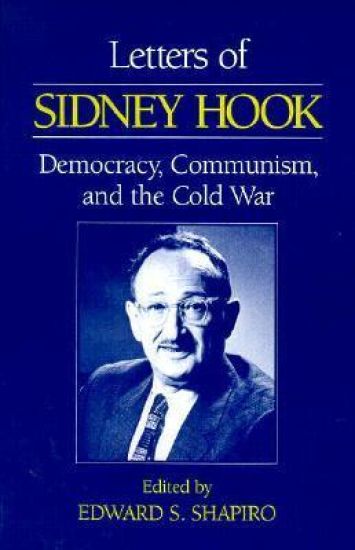
Sidney Hook (1902-1989) is known for his participation in the public debates about communism, the Soviet Union and the Cold War. These letters, drawn from the Hook collection at the Hoover Institution, provide an insight into US intellectual and political history.
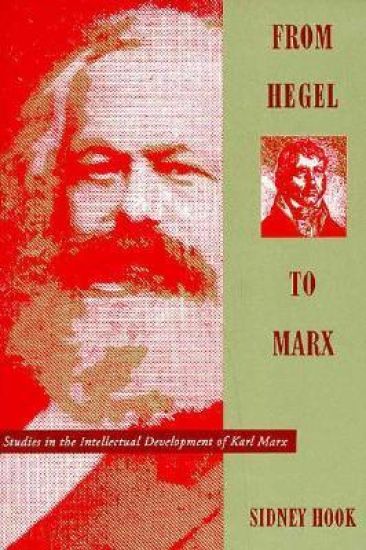
In this classic work, originally published in 1932, Hook set out to demonstrate to the radical and conservative philosophers and activists of the 1920s and 1930s that Marx was a systematic thinker who developed a sound set of philosophical principles. His major argument is that Marx was undogmatic in his approach to philosophy and a critical thinker who assimilated and synthesized a variety of ideas. Hook explains how Marx engaged both Hegel and the young Hegelians in order to develop the notion of the dialectic with Marx's take on historical materialism. The individual chapters engage the reader through the debates and discussions between Marx and young Hegelians such as Moses Hess, who influenced Marx in the study of social and economic problems; Feuerbach, who influenced Marx's view of religion; Bruno Bauer (antiliberalism); Arnold Ruge (philosophy as politics); and Max Stirner (ideals as illusions).

Soviet Hypocrisy and Western Gullibility
Sidney Hook; Vladimir Bukovsky; Paul Hollander
Ethics Public Policy Center
1987
pokkari
One of America's most influential social philosophers offers a restatement of traditional liberal-democratic views as they pertain to our constitutional form of government. The topics explored in Sidney Hook's book include the nature and extent of human freedom, the Bill of Rights, judicial review as it pertains to constitutional interpretation and the balance of powers among the three branches of government, censorship, freedom of speech, freedom of religion, social justice, the importance of intelligence in political and moral spheres, as well as civil disobedience and the right to revolution within a democratic order. Here we have a sustained, nonpartisan analysis of the place of the Constitution and judicial review within our democracy. Special emphasis is given to reconsidering the proper role of the Supreme Court if and when a Constitutional Convention is convoked to address this and related questions.