Kirjojen hintavertailu. Mukana 12 595 353 kirjaa ja 12 kauppaa.

Kirjailija

Sigve K Tonstad

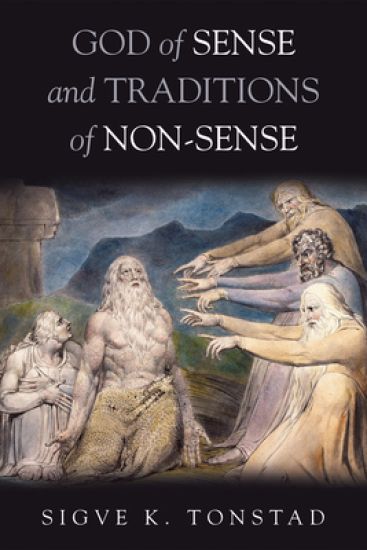
Kirjat ja teokset yhdessä paikassa: 7 kirjaa, julkaisuja vuosilta 2006-2019, suosituimpien joukossa God of Sense and Traditions of Non-Sense. Vertaile teosten hintoja ja tarkista saatavuus suomalaisista kirjakaupoista.

Mukana myös kirjoitusasut: Sigve K. Tonstad

7 kirjaa

Kirjojen julkaisuhaarukka 2006-2019.

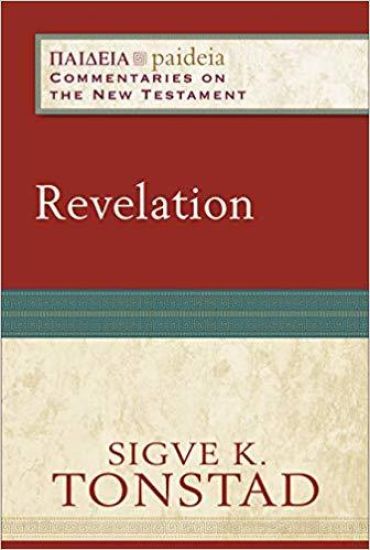
Revelation

Revelation

Sigve K. Tonstad; Mikeal Parsons; Charles Talbert; Bruce Longenecker

Baker Academic, Div of Baker Publishing Group
2019
nidottu
This practical commentary on Revelation is conversant with contemporary scholarship, draws on ancient backgrounds, and attends to the theological nature of the text. Sigve Tonstad, an expert in the early Jewish context of the New Testament, offers a nonretributive reading of Revelation and addresses the issue of divine violence. Paideia commentaries explore how New Testament texts form Christian readers by attending to the ancient narrative and rhetorical strategies the text employs, showing how the text shapes moral habits, and making judicious use of photos and sidebars in a reader-friendly format.
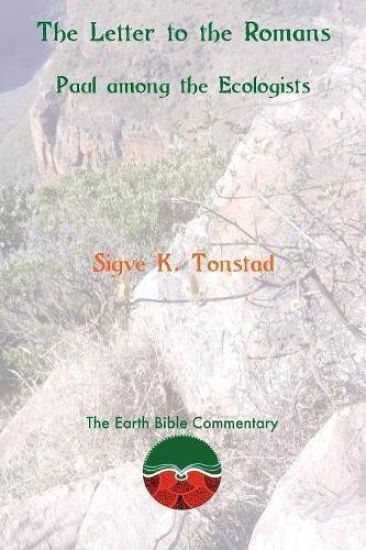
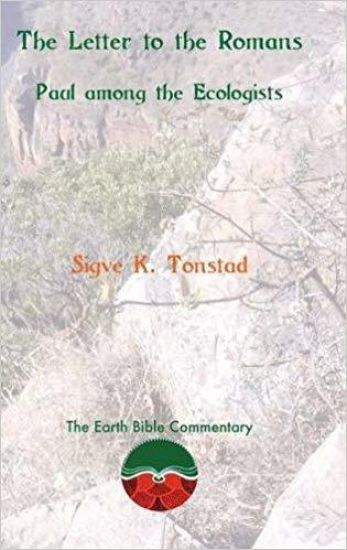
The Letter to the Romans

The Letter to the Romans

Sigve K Tonstad

Sheffield Phoenix Press
2017
pokkari
'What God has joined together, let no one put asunder' is a motto for this commentary. Against a prevailing theological tradition that God's compassion is for human beings only and not also for non-human creation and the earth, Tonstad raises his voice in protest. The 'sundering' omissions are so monumental that only a renewed reading of Romans from the ground up can hope to undo them.If we read Romans through the eyes of Tonstad, Paul will be found to be speaking about the faithfulness of Christ and not only about faith in Christ; to be describing sin in societal terms and not only as a problem of individuals; his enigmatic 'I' in Romans 7 can be understood as telling the story of Eve and not only rehashing his own biography; and Paul will be seen to give voice to non-human creation and the earth to a degree that is elsewhere heard in the Bible only in the Old Testament and, of course, hardly ever in the pulpit or the seminary.The theology of Romans will turn out to be an inclusive theology of divine compassion rather than a theology of divine sovereignty, arbitrarily exercised. On the theological foundation of compassion, Paul outlines an ethical vision of compassion in human community, with regard to citizenship and government, and in the mixed fellowship of Jews and Gentiles in the house churches in Rome. Paul's ecological bona fides are inseparable from his theological vision and not an imposition from without; his call to mercy blends with the best and most urgent sentiments of contemporary ecologists.In the striking reciprocity between theology and ecology in Romans, Paul puts on display what God has joined together, and, better still, what God has done to join together all that is asunder.
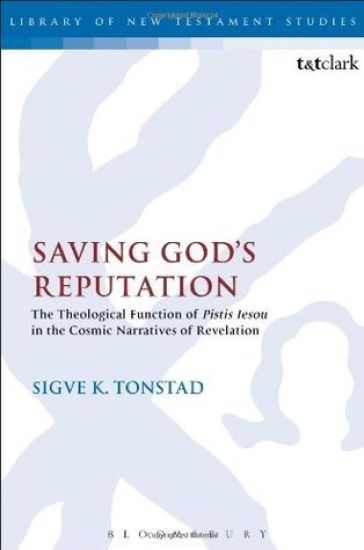
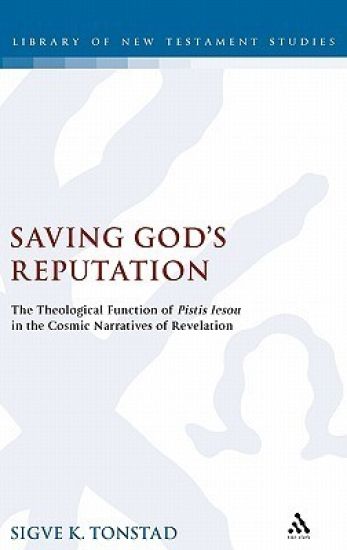
Saving God's Reputation

Saving God's Reputation

Sigve K Tonstad

T. T.Clark Ltd
2012
nidottu
This book pursues the conviction that the cosmic conflict imagery in Revelation is the primary and controlling element in the account of the aspiration of the Roman Empire and the imperial cult in Asia Minor.
Saving God's Reputation

Saving God's Reputation

Sigve K Tonstad

BLOOMSBURY PUBLISHING PLC
2006
sidottu
Scholars generally see the aspiration of the Roman Empire and the imperial cult in Asia Minor as the great villain in "Revelation", treating the depiction of a cosmic conflict in the book mostly as metaphors that hold little or no explanatory power in the story. This book pursues the conviction that the cosmic conflict imagery is the primary and controlling element in the account. Such a reading puts the war-in-heaven theme in the foreground and calls on interpreters to pay more attention to the heavenly being whose attempt to subvert the truth about the divine government is the unremitting concern in "Revelation". This book redresses the distortion that results from leaving the larger conflict theme underexposed. Having first developed the story line, it aims is to show that the phrase 'Pistis Iesou' in "Revelation" is best understood when "Revelation" is read as a theodicy of God's handling of the reality of evil.