Kirjojen hintavertailu. Mukana 12 390 323 kirjaa ja 12 kauppaa.

Kirjailija

Simon A. Gilson

Kirjat ja teokset yhdessä paikassa: 2 kirjaa, julkaisuja vuosilta 2005-2009, suosituimpien joukossa Dante and Renaissance Florence. Vertaile teosten hintoja ja tarkista saatavuus suomalaisista kirjakaupoista.

2 kirjaa

Kirjojen julkaisuhaarukka 2005-2009.

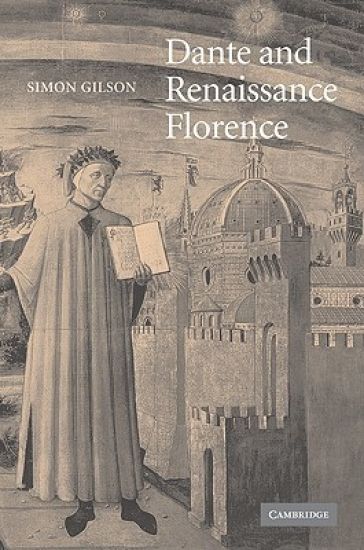
Dante and Renaissance Florence

Dante and Renaissance Florence

Simon A. Gilson

Cambridge University Press
2009
pokkari
Simon Gilson explores Dante's reception in his native Florence between 1350 and 1481. He traces the development of Florentine civic culture and the interconnections between Dante's principal 'Florentine' readers, from Giovanni Boccaccio to Cristoforo Landino, and explains how and why both supporters and opponents of Dante exploited his legacy for a variety of ideological, linguistic, cultural and political purposes. The book focuses on a variety of texts, both Latin and vernacular, in which reference was made to Dante, from commentaries to poetry, from literary lives to letters, from histories to dialogues. Gilson pays particular attention to Dante's influence on major authors such as Boccaccio and Petrarch, on Italian humanism, and on civic identity and popular culture in Florence. Ranging across literature, philosophy and art, across languages and across social groups, this study fully illuminates for the first time Dante's central place in Italian Renaissance culture and thought.
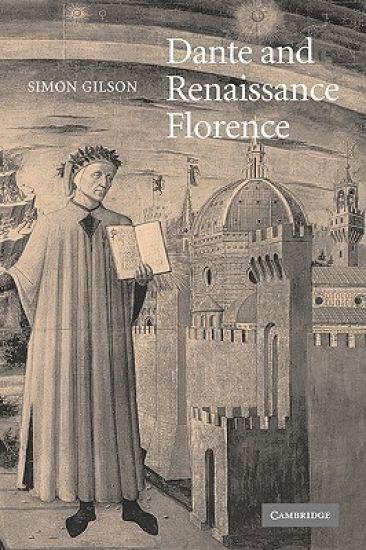
Dante and Renaissance Florence

Dante and Renaissance Florence

Simon A. Gilson

Cambridge University Press
2005
sidottu
Simon Gilson explores Dante’s reception in his native Florence between 1350 and 1481. He traces the development of Florentine civic culture and the interconnections between Dante’s principal ‘Florentine’ readers, from Giovanni Boccaccio to Cristoforo Landino, and explains how and why both supporters and opponents of Dante exploited his legacy for a variety of ideological, linguistic, cultural and political purposes. The book focuses on a variety of texts, both Latin and vernacular, in which reference was made to Dante, from commentaries to poetry, from literary lives to letters, from histories to dialogues. Gilson pays particular attention to Dante’s influence on major authors such as Boccaccio and Petrarch, on Italian humanism, and on civic identity and popular culture in Florence. Ranging across literature, philosophy and art, across languages and across social groups, this study fully illuminates for the first time Dante’s central place in Italian Renaissance culture and thought.