Kirjojen hintavertailu. Mukana 12 595 353 kirjaa ja 12 kauppaa.

Kirjailija

Simon Banbury

Kirjat ja teokset yhdessä paikassa: 3 kirjaa, julkaisuja vuosilta 2014-2021, suosituimpien joukossa Intelligent Adaptive Systems. Vertaile teosten hintoja ja tarkista saatavuus suomalaisista kirjakaupoista.

3 kirjaa

Kirjojen julkaisuhaarukka 2014-2021.

Engineering Psychology and Human Performance

Engineering Psychology and Human Performance

Christopher D. Wickens; William S. Helton; Justin G. Hollands; Simon Banbury

Taylor Francis Ltd
2021
sidottu
Forming connections between human performance and design, this new edition of Engineering Psychology and Human Performance examines human–machine interaction. The book is organized directly from a psychological perspective of human information processing, and chapters correspond to the flow of information as it is processed by a human being—from the senses, through the brain, to action—rather than from the perspective of system components or engineering design concepts. Upon completing this book, readers will be able to identify how human ability contributes to the design of technology; understand the connections within human information processing and human performance; challenge the way they think about technology’s influence on human performance; and show how theoretical advances have been, or might be, applied to improving human–machine interactions.This new edition includes the following key features: A new chapter on research methods Sections on interruption management and distracted driving as cogent examples of applications of engineering psychology theory to societal problems A greatly increased number of references to pandemics, technostress, and misinformation New applications Amplified emphasis on readability and commonsense examples Updated and new references throughout the text This book is ideal for psychology and engineering students, as well as practitioners in engineering psychology, human performance, and human factors. The text is also supplemented by online resources for students and instructors.
Intelligent Adaptive Systems

Intelligent Adaptive Systems

Ming Hou; Simon Banbury; Catherine Burns

CRC Press
2017
nidottu
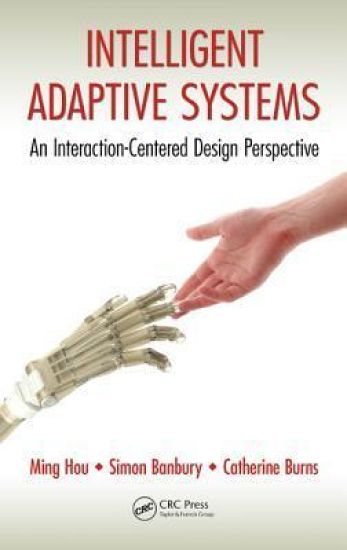
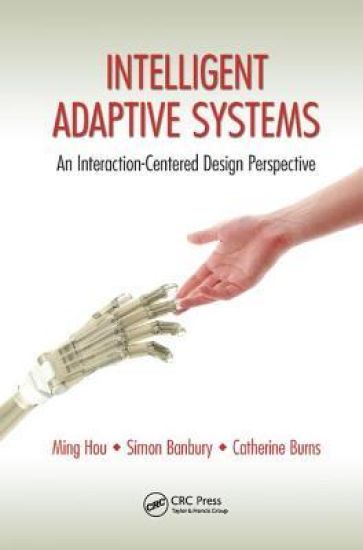
As ubiquitous as the atmosphere, intelligent adaptive systems (IASs) surround us in our daily lives. When designed well, these systems sense users and their environments so that they can provide support in a manner that is not only responsive to the evolving situation, but unnoticed by the user. A synthesis of recent research and developments on IASs from the human factors (HF) and human–computer interaction (HCI) domains, Intelligent Adaptive Systems: An Interaction-Centered Design Perspective provides integrated design guidance and recommendations for researchers and system developers. The book explores a recognized lack of integration between the HF and HCI research communities, which has led to inconsistencies between the research approaches adopted, and a lack of exploitation of research from one field by the other. The authors integrate theories and methodologies from these domains to provide design recommendations for human–machine developers. They then establish design guidance through the review of conceptual frameworks, analytical methodologies, and design processes for intelligent adaptive systems. The book draws on case studies from the military, medical, and distance learning domains to illustrate intelligent system design to examine lessons learned.Outlining an interaction-centered perspective for designing an IAS, the book details methodologies for understanding human work in complex environments and offers understanding about why and how optimizing human–machine interaction should be central to the design of IASs. The authors present an analytical and design methodology as well as an implementation strategy that helps you choose the proper design framework for your needs.
Intelligent Adaptive Systems

Intelligent Adaptive Systems

Ming Hou; Simon Banbury; Catherine Burns

CRC Press Inc
2014
sidottu
As ubiquitous as the atmosphere, intelligent adaptive systems (IASs) surround us in our daily lives. When designed well, these systems sense users and their environments so that they can provide support in a manner that is not only responsive to the evolving situation, but unnoticed by the user. A synthesis of recent research and developments on IASs from the human factors (HF) and human–computer interaction (HCI) domains, Intelligent Adaptive Systems: An Interaction-Centered Design Perspective provides integrated design guidance and recommendations for researchers and system developers. The book explores a recognized lack of integration between the HF and HCI research communities, which has led to inconsistencies between the research approaches adopted, and a lack of exploitation of research from one field by the other. The authors integrate theories and methodologies from these domains to provide design recommendations for human–machine developers. They then establish design guidance through the review of conceptual frameworks, analytical methodologies, and design processes for intelligent adaptive systems. The book draws on case studies from the military, medical, and distance learning domains to illustrate intelligent system design to examine lessons learned.Outlining an interaction-centered perspective for designing an IAS, the book details methodologies for understanding human work in complex environments and offers understanding about why and how optimizing human–machine interaction should be central to the design of IASs. The authors present an analytical and design methodology as well as an implementation strategy that helps you choose the proper design framework for your needs.