Kirjojen hintavertailu. Mukana 12 595 353 kirjaa ja 12 kauppaa.

Kirjailija

Simon Frith

Kirjat ja teokset yhdessä paikassa: 13 kirjaa, julkaisuja vuosilta 1990-2023, suosituimpien joukossa The History of Live Music in Britain, Volume III, 1985-2015. Vertaile teosten hintoja ja tarkista saatavuus suomalaisista kirjakaupoista.

13 kirjaa

Kirjojen julkaisuhaarukka 1990-2023.

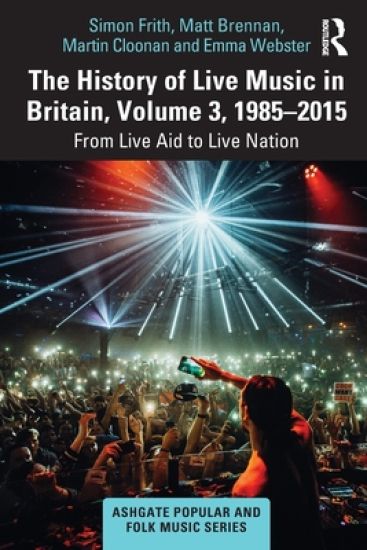
The History of Live Music in Britain, Volume III, 1985-2015

The History of Live Music in Britain, Volume III, 1985-2015

Simon Frith; Matt Brennan; Martin Cloonan; Emma Webster

TAYLOR FRANCIS LTD
2023
nidottu
To date there has been a significant gap in existing knowledge about the social history of music in Britain from 1950 to the present day. The three volumes of Live Music in Britain address this gap and do so through a unique prism—that of live music. The key theme of the books is the changing nature of the live music industry in the UK, focused upon popular music but including all musical genres. Via this focus, the books offer new insights into a number of other areas including the relationship between commercial and public funding of music; changing musical fashions and tastes; the impact of changing technologies; the changing balance of power within the music industries; the role of the state in regulating and promoting various musical activities within an increasingly globalised music economy; and the effects of demographic and other social changes on music culture. Drawing on new archival research, a wide range of academic and non- academic secondary sources, participant observation and a series of interviews with key personnel, the books have the potential to become landmark works within Popular Music Studies and broader cultural history. The third volume covers the period from Live Aid to Live Nation (1985– 2015).
The History of Live Music in Britain, Volume III, 1985-2015

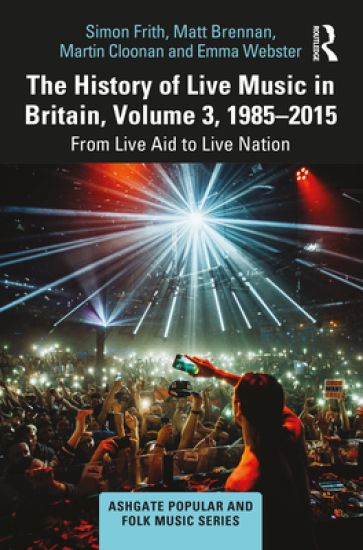
The History of Live Music in Britain, Volume III, 1985-2015

Simon Frith; Matt Brennan; Martin Cloonan; Emma Webster

Ashgate Publishing Limited
2021
sidottu
To date there has been a significant gap in existing knowledge about the social history of music in Britain from 1950 to the present day. The three volumes of Live Music in Britain address this gap and do so through a unique prism—that of live music. The key theme of the books is the changing nature of the live music industry in the UK, focused upon popular music but including all musical genres. Via this focus, the books offer new insights into a number of other areas including the relationship between commercial and public funding of music; changing musical fashions and tastes; the impact of changing technologies; the changing balance of power within the music industries; the role of the state in regulating and promoting various musical activities within an increasingly globalised music economy; and the effects of demographic and other social changes on music culture. Drawing on new archival research, a wide range of academic and non- academic secondary sources, participant observation and a series of interviews with key personnel, the books have the potential to become landmark works within Popular Music Studies and broader cultural history. The third volume covers the period from Live Aid to Live Nation (1985– 2015).

The History of Live Music in Britain, Volume II, 1968-1984

The History of Live Music in Britain, Volume II, 1968-1984

Simon Frith; Matt Brennan; Martin Cloonan; Emma Webster

Routledge
2020
nidottu
To date, there has been a significant gap in work on the social history of music in Britain from 1950 to the present day. The three volumes of Live Music in Britain address this gap and do so through a unique prism—that of live music. The key theme of the books is the changing nature of the live music industry in the UK, focused upon popular music but including all musical genres. Via this focus, the books offer new insights into a number of other areas, including the relationship between commercial and public funding of music, changing musical fashions and tastes, the impact of changing technologies, the changing balance of power within the music industries, the role of the state in regulating and promoting various musical activities within an increasingly globalised music economy, and the effects of demographic and other social changes on music culture. Drawing on new archival research, a wide range of academic and non-academic secondary sources, participant observation and a series of interviews with key personnel, the books have the potential to become landmark works within Popular Music Studies and broader cultural history. The second volume covers the period from Hyde Park to the Hacienda (1968–84).
The History of Live Music in Britain, Volume II, 1968-1984

The History of Live Music in Britain, Volume II, 1968-1984

Simon Frith; Matt Brennan; Martin Cloonan; Emma Webster

Ashgate Publishing Limited
2019
sidottu
To date, there has been a significant gap in work on the social history of music in Britain from 1950 to the present day. The three volumes of Live Music in Britain address this gap and do so through a unique prism—that of live music. The key theme of the books is the changing nature of the live music industry in the UK, focused upon popular music but including all musical genres. Via this focus, the books offer new insights into a number of other areas, including the relationship between commercial and public funding of music, changing musical fashions and tastes, the impact of changing technologies, the changing balance of power within the music industries, the role of the state in regulating and promoting various musical activities within an increasingly globalised music economy, and the effects of demographic and other social changes on music culture. Drawing on new archival research, a wide range of academic and non-academic secondary sources, participant observation and a series of interviews with key personnel, the books have the potential to become landmark works within Popular Music Studies and broader cultural history. The second volume covers the period from Hyde Park to the Hacienda (1968–84).
Art Into Pop

Art Into Pop

Simon Frith; Howard Horne

Routledge
2017
nidottu
This book, first published in 1987, tells the intriguing and culturally complex story of the art school influence on postwar British popular music. Following Romantic attitudes from life class to recording studio, it focuses on two key moments – the early 1960s, when art students like John Lennon and Eric Clapton begin to play their own versions of American rock and blues and inflected youth music with Bohemian dreams, and the late 1970s, when punk musicians emerged from design courses and fashion departments to disrupt what were, by then, art-rock routines.Sixties rock Bohemians and seventies pop Situationists were, in their different ways, trying to solve the art students’ perennial problem – how to make a living from their art. Art Into Pop shows how this problem has been shaped by the history of British art education, from its nineteenth-century origins to current arguments about ‘pure’ and ‘applied’ training. In their simultaneous pursuit of authenticity and artifice, art school musicians exemplify the postmodern condition, the collapse of any distinction between ‘high’ and ‘low’ culture, the confusions of personal and commercial creativity. And so high pop theorists rub shoulders here with low pop practitioners, experimental musicians debate avant-garde ideas with corporate packagers, and artistic integrity becomes a matter of making oneself up.
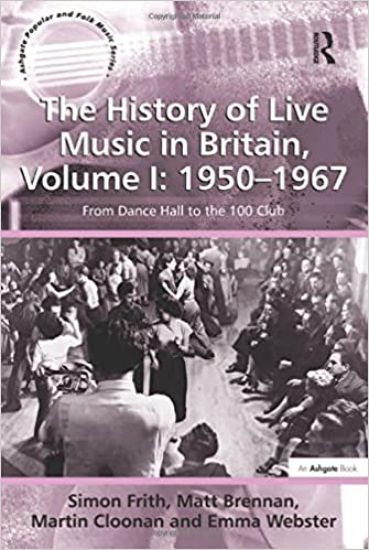
The History of Live Music in Britain, Volume I: 1950-1967

The History of Live Music in Britain, Volume I: 1950-1967

Simon Frith; Matt Brennan; Martin Cloonan; Emma Webster

Routledge
2016
nidottu
The social history of music in Britain since 1950 has long been the subject of nostalgic articles in newspapers and magazines, nostalgic programmes on radio and television and collective memories on music websites, but to date there has been no proper scholarly study. The three volumes of The History of Live Music in Britain address this gap, and do so from the unique perspective of the music promoter: the key theme is the changing nature of the live music industry. The books are focused upon popular music but cover all musical genres and the authors offer new insights into a variety of issues, including changes in musical fashions and tastes; the impact of developing technologies; the balance of power between live and recorded music businesses; the role of the state as regulator and promoter; the effects of demographic and other social changes on music culture; and the continuing importance of do-it-yourself enthusiasts. Drawing on archival research, a wide range of academic and non-academic secondary sources, participant observation and industry interviews, the books are likely to become landmark works within Popular Music Studies and broader cultural history.
Art Into Pop

Art Into Pop

Simon Frith; Howard Horne

Routledge
2016
sidottu
This book, first published in 1987, tells the intriguing and culturally complex story of the art school influence on postwar British popular music. Following Romantic attitudes from life class to recording studio, it focuses on two key moments – the early 1960s, when art students like John Lennon and Eric Clapton begin to play their own versions of American rock and blues and inflected youth music with Bohemian dreams, and the late 1970s, when punk musicians emerged from design courses and fashion departments to disrupt what were, by then, art-rock routines.Sixties rock Bohemians and seventies pop Situationists were, in their different ways, trying to solve the art students’ perennial problem – how to make a living from their art. Art Into Pop shows how this problem has been shaped by the history of British art education, from its nineteenth-century origins to current arguments about ‘pure’ and ‘applied’ training. In their simultaneous pursuit of authenticity and artifice, art school musicians exemplify the postmodern condition, the collapse of any distinction between ‘high’ and ‘low’ culture, the confusions of personal and commercial creativity. And so high pop theorists rub shoulders here with low pop practitioners, experimental musicians debate avant-garde ideas with corporate packagers, and artistic integrity becomes a matter of making oneself up.
On Record

On Record

Simon Frith; Andrew Goodwin

Routledge
2015
sidottu
Classic sociological analyses of 'deviance' and rebellion; studies of technology; subcultural and feminist readings, semiotic and musicological essays and close readings of stars, bands and the fans themselves by Adorno, Barthes and other well-known contributors
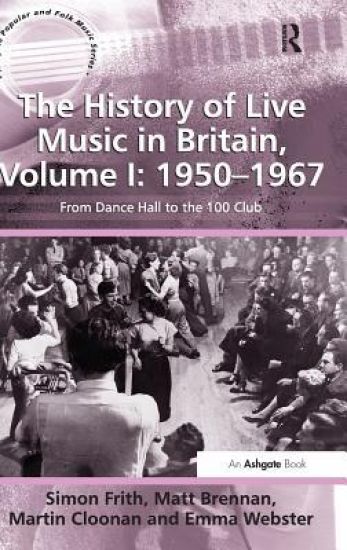
The History of Live Music in Britain, Volume I: 1950-1967

The History of Live Music in Britain, Volume I: 1950-1967

Simon Frith; Matt Brennan; Martin Cloonan; Emma Webster

Ashgate Publishing Limited
2013
sidottu
The social history of music in Britain since 1950 has long been the subject of nostalgic articles in newspapers and magazines, nostalgic programmes on radio and television and collective memories on music websites, but to date there has been no proper scholarly study. The three volumes of The History of Live Music in Britain address this gap, and do so from the unique perspective of the music promoter: the key theme is the changing nature of the live music industry. The books are focused upon popular music but cover all musical genres and the authors offer new insights into a variety of issues, including changes in musical fashions and tastes; the impact of developing technologies; the balance of power between live and recorded music businesses; the role of the state as regulator and promoter; the effects of demographic and other social changes on music culture; and the continuing importance of do-it-yourself enthusiasts. Drawing on archival research, a wide range of academic and non-academic secondary sources, participant observation and industry interviews, the books are likely to become landmark works within Popular Music Studies and broader cultural history.
Taking Popular Music Seriously

Taking Popular Music Seriously

Simon Frith

Ashgate Publishing Limited
2007
sidottu
As a sociologist Simon Frith takes the starting point that music is the result of the play of social forces, whether as an idea, an experience or an activity. The essays in this important collection address these forces, recognising that music is an effect of a continuous process of negotiation, dispute and agreement between the individual actors who make up a music world. The emphasis is always on discourse, on the way in which people talk and write about music, and the part this plays in the social construction of musical meaning and value. The collection includes nineteen essays, some of which have had a major impact on the field, along with an autobiographical introduction.
Performing Rites

Performing Rites

Simon Frith

Oxford University Press
1998
nidottu
Who's better? Billie Holiday or P.J. Harvey? Blur or Oasis? Dylan or Keats? And how many friendships have ridden on the answer? Such questions aren't merely the stuff of fanzines and idle talk; they inform our most passionate arguments, distil our most deeply held values, make meaning of our ever-changing culture. In Performing Rites, one of the most influential writers on popular music asks what we talk about when we talk about music. What's good, what's bad? What's high, what's low? Why do such distinctions matter? Instead of dismissing emotional response and personal taste as inaccessible to the academic critic, Simon Frith takes these forms of engagement as his subject and discloses their place at the very centre of the aesthetics that structure our culture and colour our lives. Taking up hundreds of songs and writers, Frith insists on acts of evaluation of popular music as music. Ranging through and beyond the twentieth century, Performing Rites puts the Pet Shop Boys and Puccini, rhythm and lyric, voice and technology, into a dialogue about the undeniable impact of poplar aesthetics on our lives. How we nod our heads or tap our feet, grin or grimace or flip the dial; how we determine what's sublime and what's for real — these are part of the way we construct our social identities, and an essential response to the performance of all music. Frith argues that listening itself is a performance, both social gesture and bodily response. From how they are made to how they are received, popular songs appear here as not only meriting aesthetic judgements but also demanding them, and shaping our understanding of what all music means.
Performing Rites: On the Value of Popular Music

Performing Rites: On the Value of Popular Music

Simon Frith

HARVARD UNIVERSITY PRESS
1998
nidottu
Who's better? Billie Holiday or P. J. Harvey? Blur or Oasis? Dylan or Keats? And how many friendships have ridden on the answer? Such questions aren't merely the stuff of fanzines and idle talk; they inform our most passionate arguments, distill our most deeply held values, make meaning of our ever-changing culture. In Performing Rites, one of the most influential writers on popular music asks what we talk about when we talk about music. What's good, what's bad? What's high, what's low? Why do such distinctions matter? Instead of dismissing emotional response and personal taste as inaccessible to the academic critic, Simon Frith takes these forms of engagement as his subject--and discloses their place at the very center of the aesthetics that structure our culture and color our lives. Taking up hundreds of songs and writers, Frith insists on acts of evaluation of popular music as music. Ranging through and beyond the twentieth century, Performing Rites puts the Pet Shop Boys and Puccini, rhythm and lyric, voice and technology, into a dialogue about the undeniable impact of popular aesthetics on our lives. How we nod our heads or tap our feet, grin or grimace or flip the dial; how we determine what's sublime and what's "for real"--these are part of the way we construct our social identities, and an essential response to the performance of all music. Frith argues that listening itself is a performance, both social gesture and bodily response. From how they are made to how they are received, popular songs appear here as not only meriting aesthetic judgments but also demanding them, and shaping our understanding of what all music means.
On Record

On Record

Simon Frith; Andrew Goodwin

Routledge
1990
nidottu
Classic sociological analyses of 'deviance' and rebellion; studies of technology; subcultural and feminist readings, semiotic and musicological essays and close readings of stars, bands and the fans themselves by Adorno, Barthes and other well-known contributors