
Kirjailija
Sinclair Lewis
Kirjat ja teokset yhdessä paikassa: 340 kirjaa, julkaisuja vuosilta 1905-2026, suosituimpien joukossa Main Street. Vertaile teosten hintoja ja tarkista saatavuus suomalaisista kirjakaupoista.
340 kirjaa
Kirjojen julkaisuhaarukka 1905-2026.

Dive into the heart of the American dream gone awry in this captivating classic that explores ambition, love, and moral dilemmas with piercing realism.An American Tragedy by Theodore Dreiser masterfully tells the haunting tale of Clyde Griffiths, a young man yearning for success and social status. Torn between two women - a devoted factory worker and a wealthy socialite - Clyde's choices lead him down a dark, irreversible path. Set against the backdrop of early 20th-century America, this riveting novel exposes the complexities of human ambition and the devastating consequences of unbridled desire.With its timeless themes and deeply flawed, relatable characters, this literary masterpiece grips readers with every turn of the page, challenging them to question morality, societal pressures, and the cost of the pursuit of happiness.Hailed as one of the greatest American novels of the 20th century, An American Tragedy has been celebrated for its profound exploration of human nature and the American experience.

"It is one of the major tragedies that nothing is more discomforting than the hearty affection of the Old Friends who never were friends."-Sinclair Lewis, ArrowsmithArrowsmith (1926) is among Sinclair Lewis's early novels. Even so, it is usually considered one of his major works, because it was the first "scientific" novel. Inspired to write it by major reforms in the field of medical education at the time, Lewis explored the culture of science by telling the story of Martin Arrowsmith, a brilliant doctor and scientist who wants to conquer the plague virus. To ensure its authenticity, Lewis sought out the help of a science writer, and the book was so highly regarded that it was awarded a Pulitzer Prize (which Lewis declined).

"It is one of the major tragedies that nothing is more discomforting than the hearty affection of the Old Friends who never were friends."-Sinclair Lewis, ArrowsmithArrowsmith (1926) is among Sinclair Lewis's early novels. Even so, it is usually considered one of his major works, because it was the first "scientific" novel. Inspired to write it by major reforms in the field of medical education at the time, Lewis explored the culture of science by telling the story of Martin Arrowsmith, a brilliant doctor and scientist who wants to conquer the plague virus. To ensure its authenticity, Lewis sought out the help of a science writer, and the book was so highly regarded that it was awarded a Pulitzer Prize (which Lewis declined).
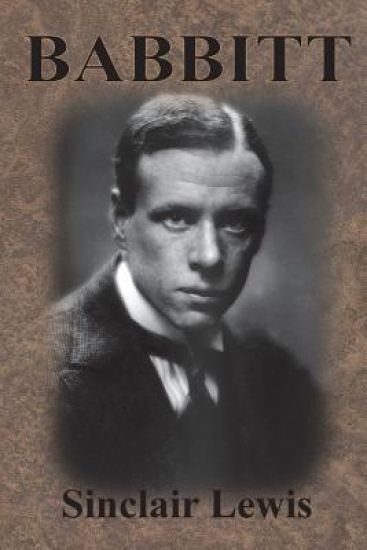
"Being a man given to oratory and high principles, he enjoyed the sound of his own vocabulary and the warmth of his own virtue."-Sinclair Lewis, BabbittIn the novel Babbitt (1922), Sinclair Lewis created a sardonic portrait of a typical American businessman, striving to conform to the standards of the American culture of the time. Its "hero" is a real estate salesman who, having striven to become a solid citizen in middle America, gradually becomes aware how shallow his ideals are. After the book's publication, the term "Babbitt" became a popular reference to describe people who are social conformists.
"Being a man given to oratory and high principles, he enjoyed the sound of his own vocabulary and the warmth of his own virtue."-Sinclair Lewis, BabbittIn the novel Babbitt (1922), Sinclair Lewis created a sardonic portrait of a typical American businessman, striving to conform to the standards of the American culture of the time. Its "hero" is a real estate salesman who, having striven to become a solid citizen in middle America, gradually becomes aware how shallow his ideals are. After the book's publication, the term "Babbitt" became a popular reference to describe people who are social conformists.
"She knew the exaltation of starting out in the fresh morning for places she had never seen, without the bond of having to return at night."― Sinclair Lewis, Free AirFree Air (1919), by Sinclair Lewis, was one of the first novels to celebrate the adventure and freedom that road trips introduced to America at the start of the twentieth century, thanks to the invention of the automobile. It also preceded Lewis's breakthrough novel Main Street by just one year. The story it tells is about a woman who drives from New York to the Pacific Northwest, where she falls in love. While very simple, it allowed Lewis to showcase his wit and express his admiration for the working class and democratic values.

"She knew the exaltation of starting out in the fresh morning for places she had never seen, without the bond of having to return at night."― Sinclair Lewis, Free AirFree Air (1919), by Sinclair Lewis, was one of the first novels to celebrate the adventure and freedom that road trips introduced to America at the start of the twentieth century, thanks to the invention of the automobile. It also preceded Lewis's breakthrough novel Main Street by just one year. The story it tells is about a woman who drives from New York to the Pacific Northwest, where she falls in love. While very simple, it allowed Lewis to showcase his wit and express his admiration for the working class and democratic values.
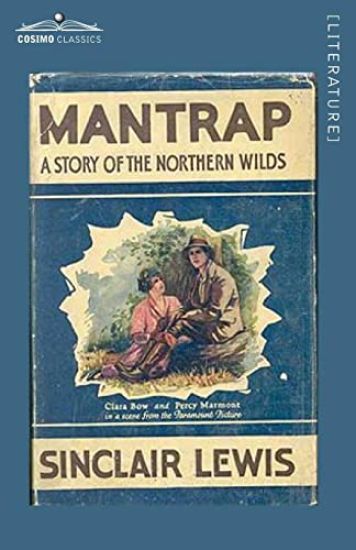
"Humor is next to Godliness." ― Sinclair Lewis, Mantrap To create Mantrap (1926), Sinclair Lewis adapted journals his brother Claude kept while the two traveled in Canada two years before the book appeared. In it, the author created the story of New York lawyer Ralph Prescott's journey into the Saskatchewan territory and of his adventures there. Two separate films, Mantrap (1926) and Untamed (1940), both of which were based on the story, were produced.
"Humor is next to Godliness." ― Sinclair Lewis, Mantrap To create Mantrap (1926), Sinclair Lewis adapted journals his brother Claude kept while the two traveled in Canada two years before the book appeared. In it, the author created the story of New York lawyer Ralph Prescott's journey into the Saskatchewan territory and of his adventures there. Two separate films, Mantrap (1926) and Untamed (1940), both of which were based on the story, were produced.
"We'd get sick on too many cookies, but ever so much sicker on no cookies at all." -Sinclair Lewis, The JobIn his novel The Job (1917) Sinclair Lewis vividly describes the world of work for women in the early years of the twentieth century. The novel was one of Lewis's first successes, praised as a groundbreaking work for having a woman as the lead character, as well as for providing insights into the lives of working women. While it was only the third book the author wrote in his own name, it established Lewis as a foremost author of novels about social realism.
"If you don't think for yourself, then you're admitting that your theory of happiness is the dog asleep in the sun." -Sinclair Lewis, The Trail of the Hawk The Trail of the Hawk (1915) is a coming-of-age novel that describes the struggles of Carl Ericson as he tries to reconcile his desire for adventure with societal expectations. In classic Lewis style, the author explores the effects of immigration, convention, entrepreneurship, love, maturity, and passion in a style that is simultaneously humorous and wise.
"If you don't think for yourself, then you're admitting that your theory of happiness is the dog asleep in the sun." -Sinclair Lewis, The Trail of the Hawk The Trail of the Hawk (1915) is a coming-of-age novel that describes the struggles of Carl Ericson as he tries to reconcile his desire for adventure with societal expectations. In classic Lewis style, the author explores the effects of immigration, convention, entrepreneurship, love, maturity, and passion in a style that is simultaneously humorous and wise.
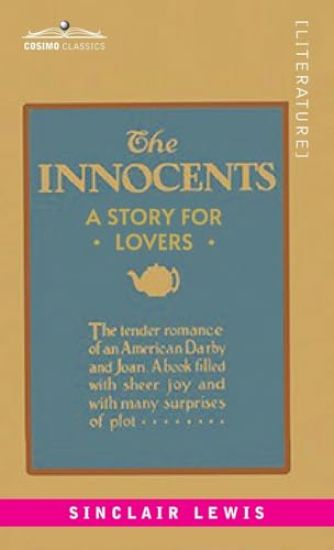
. . . this is a flagrant excursion, a tale for people who still read Dickens and clip out spring poetry and love old people and children . . ." -from the Introduction to The Innocents The Innocents (1917) is one of Sinclair Lewis's earliest novels and is often put in the category of "potboiler" because it was created primarily to make money by appealing to popular taste. Nevertheless, Lewis's deep sensitivity to societal problems emerges as the book explores the themes of identity and ageism. It tells the story of an older couple who take off on a journey to launch a business rather than move to an assisted living facility. Thanks to the sweetness of its characters, The Innocents encourages optimism and the defiance of convention but still makes a strong statement about discrimination against the elderly and the dissonance often present between one's own identity and the identity that is perceived by society.
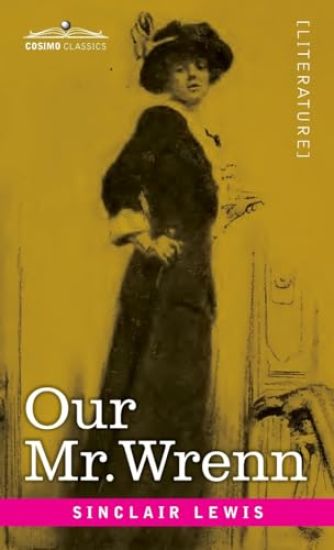
"In story and in treatment the novel is wholly of our own day, but in spirit and feeling it makes evident the paternity of Charles Dickens." -"Latest Works of Fiction," The New York Times, March 1, 1914 Our Mr. Wrenn is an early example of Sinclair Lewis's capacity for creating memorable characters who have many of the characteristics of stereotypes. In this case, Mr. Wrenn is a poorly paid and underappreciated salesclerk whose primary pleasure in life comes from a rich fantasy life, which, for Wrenn, involves as much travel as possible. Coming into an inheritance suddenly allows him to live out his fantasies, and the reader is given the opportunity to delight in Wrenn's metamorphosis.
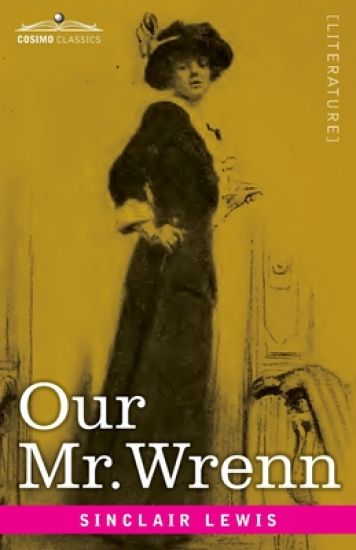
"In story and in treatment the novel is wholly of our own day, but in spirit and feeling it makes evident the paternity of Charles Dickens." -"Latest Works of Fiction," The New York Times, March 1, 1914 Our Mr. Wrenn is an early example of Sinclair Lewis's capacity for creating memorable characters who have many of the characteristics of stereotypes. In this case, Mr. Wrenn is a poorly paid and underappreciated salesclerk whose primary pleasure in life comes from a rich fantasy life, which, for Wrenn, involves as much travel as possible. Coming into an inheritance suddenly allows him to live out his fantasies, and the reader is given the opportunity to delight in Wrenn's metamorphosis.
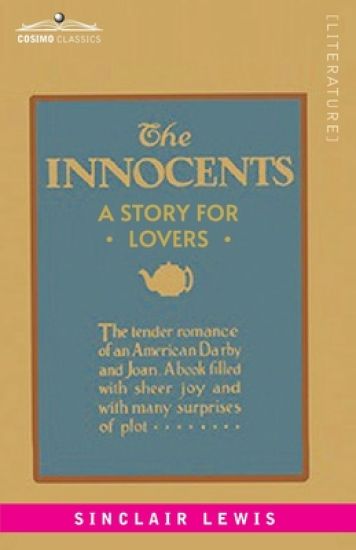
. . . this is a flagrant excursion, a tale for people who still read Dickens and clip out spring poetry and love old people and children . . ." -from the Introduction to The Innocents The Innocents (1917) is one of Sinclair Lewis's earliest novels and is often put in the category of "potboiler" because it was created primarily to make money by appealing to popular taste. Nevertheless, Lewis's deep sensitivity to societal problems emerges as the book explores the themes of identity and ageism. It tells the story of an older couple who take off on a journey to launch a business rather than move to an assisted living facility. Thanks to the sweetness of its characters, The Innocents encourages optimism and the defiance of convention but still makes a strong statement about discrimination against the elderly and the dissonance often present between one's own identity and the identity that is perceived by society.