Kirjojen hintavertailu. Mukana 12 514 386 kirjaa ja 12 kauppaa.

Kirjailija

Slater Stephen

Kirjat ja teokset yhdessä paikassa: 2 kirjaa, julkaisuja vuosilta 1987-2013, suosituimpien joukossa Illustrated Book of Heraldry. Vertaile teosten hintoja ja tarkista saatavuus suomalaisista kirjakaupoista.

2 kirjaa

Kirjojen julkaisuhaarukka 1987-2013.

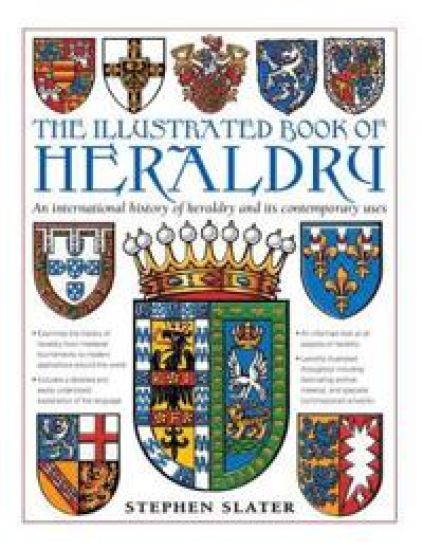
Illustrated Book of Heraldry

Illustrated Book of Heraldry

Slater Stephen

Lorenz Books
2013
sidottu
This is an international history of heraldry and its contemporary uses. It examines the history of heraldry from medieval tournaments to modern applications around the world. It includes a detailed and easily understood explanation of the language of heraldry. It is an informed look at all aspects of heraldry. It is lavishly illustrated throughout including fascinating archive material, and specially commissioned artworks. The history and language of heraldry - its origins and development, heralds and the Law of Arms, the coat of arms, the language of heraldry, messages and declarations. It explains the applications of heraldry from royal heraldry and nobility, civic and state heraldry, and global heraldry, to the continuity of heraldry today. This informative book looks not only at the medieval world in which heraldry thrived, but also at its language, the elaborate system of coded messages it conveyed, and its inextricable link with chivalry. Featuring more than 700 illustrations, it also covers both the larger aspects of heraldry and everyday heraldic uses, and contains a comprehensive glossary. The international uses of heraldry and the way different countries have interpreted it are also included. Most of Europe and the Americas are covered as well as Scandinavia, Africa and Japan. Novices and experts alike will benefit from the breadth of the content of this masterly history.
Literature in the Language Classroom

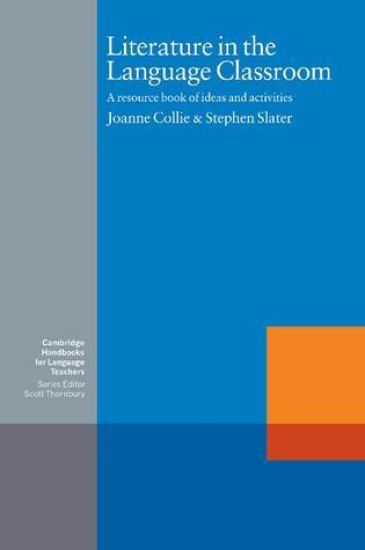
Literature in the Language Classroom

Collie Joanne; Slater Stephen

Cambridge University Press
1987
pokkari
This is a practical guide for practising teachers of English and teachers in training. It offers teachers a rationale and a variety of imaginative techniques for integrating literature work with language teaching. It is divided into three sections: Part I discusses the questions: Why teach literature? What should we teach? How should we teach it?; Part II outlines and illustrates a wealth of student-centred class and homework activities appropriate to each stage of the study of a literary work. Detailed descriptions of the activities are accompanied by numerous sample worksheets; Part III demonstrates techniques for working with complete texts, and shows how the activities outlined in Part II can be applied to particular novels, plays, short stories and poems. All activities described have been used successfully with a wide range of classes from intermediate level up.