Kirjojen hintavertailu. Mukana 12 390 323 kirjaa ja 12 kauppaa.

Kirjailija

Sondra Fraleigh

Kirjat ja teokset yhdessä paikassa: 7 kirjaa, julkaisuja vuosilta 2009-2024, suosituimpien joukossa Butoh. Vertaile teosten hintoja ja tarkista saatavuus suomalaisista kirjakaupoista.

7 kirjaa

Kirjojen julkaisuhaarukka 2009-2024.

Somatics in Dance, Ecology, and Ethics
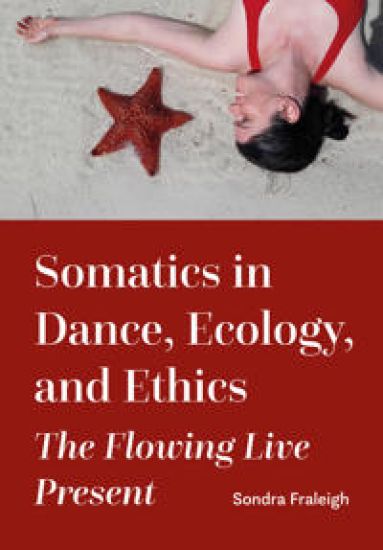
This book of highly original essays addresses the field of movement-based and dance somatics through lenses of ethics and ecology. It is based in methods of phenomenology. A new collection of essays previously published with Intellect as journal articles, with the addition of new essays and editorial material. The text considers body-based somatic education relative to values, virtues, gender fluidity, lived experience, environmental awareness, fairness, and collective well-being. In delineating interdependent values of soma, ecology, and human movement that are newly in progress, the collection conceives links between personal development of subjective knowledge and cultural, critical, and environmental positionality. The text raises questions about defining somatics and self, gender dynamics, movement preferences, normative body conceptions, attention to feelings, inclusiveness, ethics of touch, and emotional intelligence in somatics contexts. I include these crucial concerns of somatics and ethics as relational, globally complex, and ongoing. Like much of Sondra Fraleigh’s writing, these essays utilize phenomenology as a method to investigate embodied relationships—often through lenses of ethics and aesthetics. In providing some examples, the text explores specific values of gratitude, listening, and emotional intelligence in somatic bodywork and learning environments.
Somatics in Dance, Ecology, and Ethics
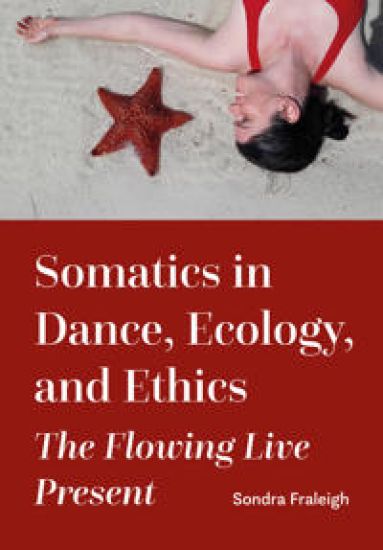
This book of highly original essays addresses the field of movement-based and dance somatics through lenses of ethics and ecology. It is based in methods of phenomenology. A new collection of essays previously published with Intellect as journal articles, with the addition of new essays and editorial material. The text considers body-based somatic education relative to values, virtues, gender fluidity, lived experience, environmental awareness, fairness, and collective well-being. In delineating interdependent values of soma, ecology, and human movement that are newly in progress, the collection conceives links between personal development of subjective knowledge and cultural, critical, and environmental positionality. The text raises questions about defining somatics and self, gender dynamics, movement preferences, normative body conceptions, attention to feelings, inclusiveness, ethics of touch, and emotional intelligence in somatics contexts. I include these crucial concerns of somatics and ethics as relational, globally complex, and ongoing. Like much of Sondra Fraleigh’s writing, these essays utilize phenomenology as a method to investigate embodied relationships—often through lenses of ethics and aesthetics. In providing some examples, the text explores specific values of gratitude, listening, and emotional intelligence in somatic bodywork and learning environments.
Hijikata Tatsumi and Ohno Kazuo

Hijikata Tatsumi and Ohno Kazuo

Sondra Fraleigh; Tamah Nakamura

Routledge
2017
nidottu
Now re-issued, this compact book unravels the contribution of one of modern theatre’s most charismatic innovators. Hijikata Tatsumi and Ohno Kazuo combines:• an account of the founding of Japanese butoh through the partnership of Hijikata and Ohno, extending to the larger story of butoh’s international assimilation• an exploration of the impact of the social and political issues of post-World War II Japan on the aesthetic development of butoh• metamorphic dance experiences that students of butoh can explore• a glossary of English and Japanese terms.As a first step towards critical understanding, and as an initial exploration before going on to further, primary research, Routledge Performance Practitioners are unbeatable value for today’s student.
Hijikata Tatsumi and Ohno Kazuo

Hijikata Tatsumi and Ohno Kazuo

Sondra Fraleigh; Tamah Nakamura

Routledge
2017
sidottu
Now re-issued, this compact book unravels the contribution of one of modern theatre’s most charismatic innovators. Hijikata Tatsumi and Ohno Kazuo combines:• an account of the founding of Japanese butoh through the partnership of Hijikata and Ohno, extending to the larger story of butoh’s international assimilation• an exploration of the impact of the social and political issues of post-World War II Japan on the aesthetic development of butoh• metamorphic dance experiences that students of butoh can explore• a glossary of English and Japanese terms.As a first step towards critical understanding, and as an initial exploration before going on to further, primary research, Routledge Performance Practitioners are unbeatable value for today’s student.
Butoh

Butoh

Sondra Fraleigh

University of Illinois Press
2010
nidottu
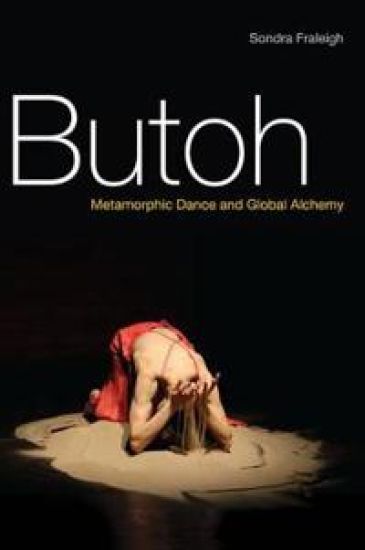
Both a refraction of the bombings of Hiroshima and Nagasaki and a protest against Western values, butoh is a form of Japanese dance theater that emerged in the aftermath of World War II. Sondra Fraleigh chronicles the growth of this provocative art form from its mid-century founding under a sign of darkness to its assimilation in the twenty-first century as a poignant performance medium with philosophical and political implications. Through highly descriptive, thoughtful, and emotional prose, Fraleigh traces the transformative alchemy of this metaphoric dance form by studying the international movement inspired by its aesthetic mixtures. While butoh has retained a special identity related to its Japanese background, it also has blossomed into a borderless art with a tolerant and inclusive morphology gaining prominence in a borderless century. Employing intellectual and aesthetic perspectives to reveal the origins, major figures, and international development of the dance, Fraleigh documents the range and variety of butoh artists around the world with first-hand knowledge of butoh performances from 1973 to 2008. Her definitions of butoh's morphology, alchemy, and philosophy set a theoretical framework for poetic and engaging articulations of twenty butoh performances in Japan, Europe, India, and the West. With a blend of scholarly research and direct experience, she also signifies the unfinished nature of butoh and emphasizes its capacity to effect spiritual transformation and bridge cultural differences.
Butoh

Butoh

Sondra Fraleigh

University of Illinois Press
2010
sidottu
Both a refraction of the bombings of Hiroshima and Nagasaki and a protest against Western values, butoh is a form of Japanese dance theater that emerged in the aftermath of World War II. Sondra Fraleigh chronicles the growth of this provocative art form from its mid-century founding under a sign of darkness to its assimilation in the twenty-first century as a poignant performance medium with philosophical and political implications. Through highly descriptive, thoughtful, and emotional prose, Fraleigh traces the transformative alchemy of this metaphoric dance form by studying the international movement inspired by its aesthetic mixtures. While butoh has retained a special identity related to its Japanese background, it also has blossomed into a borderless art with a tolerant and inclusive morphology gaining prominence in a borderless century. Employing intellectual and aesthetic perspectives to reveal the origins, major figures, and international development of the dance, Fraleigh documents the range and variety of butoh artists around the world with first-hand knowledge of butoh performances from 1973 to 2008. Her definitions of butoh's morphology, alchemy, and philosophy set a theoretical framework for poetic and engaging articulations of twenty butoh performances in Japan, Europe, India, and the West. With a blend of scholarly research and direct experience, she also signifies the unfinished nature of butoh and emphasizes its capacity to effect spiritual transformation and bridge cultural differences.