Kirjojen hintavertailu. Mukana 12 595 353 kirjaa ja 12 kauppaa.

Kirjailija

Sonya E Pritzker

Kirjat ja teokset yhdessä paikassa: 4 kirjaa, julkaisuja vuosilta 2024-2025, suosituimpien joukossa Living Toward Justice. Vertaile teosten hintoja ja tarkista saatavuus suomalaisista kirjakaupoista.

Mukana myös kirjoitusasut: Sonya E. Pritzker

4 kirjaa

Kirjojen julkaisuhaarukka 2024-2025.

Living Toward Justice

Living Toward Justice

Sonya E. Pritzker

New Village Press
2025
sidottu
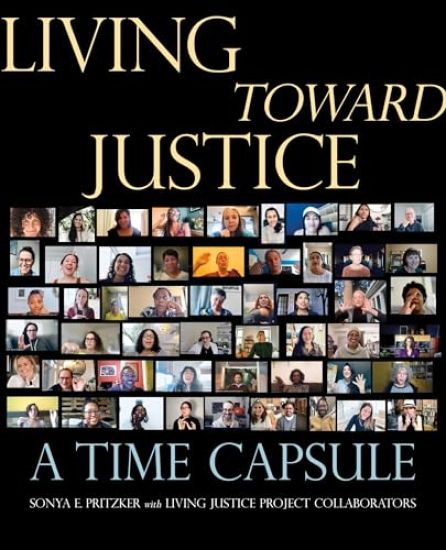
An illustrated exploration of how practitioners and scholars in the field of embodied social justice (ESJ) seek to incorporate justice in everyday life The book documents three collective time capsules from 2020 to 2022, during which fifty-two collaborators in the Living Justice Project responded to a series of prompts and activities to express "What does it look, feel, and sound like to live (towards) justice in your life?" Through photographs, video and audio recordings, and text-based reflections, they offer readers a vivid and immersive experience of embodying justice during a unique moment in history. Led primarily by Black and and/or queer practitioner-scholars, the diverse ESJ community engages in a vibrant dialogue of the ways in which practices such as yoga, ecstatic dance, somatic psychotherapy, meditation, martial arts, and more are often characterized by cultural appropriation, lack of diversity, and lack of social analysis. Prominent collaborators of this ethnographic study and the book include Reverend angel Kyodo williams, adrienne maree brown, Patrisse Cullors, Alexis Pauline Gumbs, Staci Haines, Sará King, Rae Johnson, Resmaa Menakem, Zea Leguizamon, Samuel Leguizamon Grant, and Nkem Ndefo, to name a few.
Living Toward Justice

Living Toward Justice

Sonya E. Pritzker

New Village Press
2025
pokkari
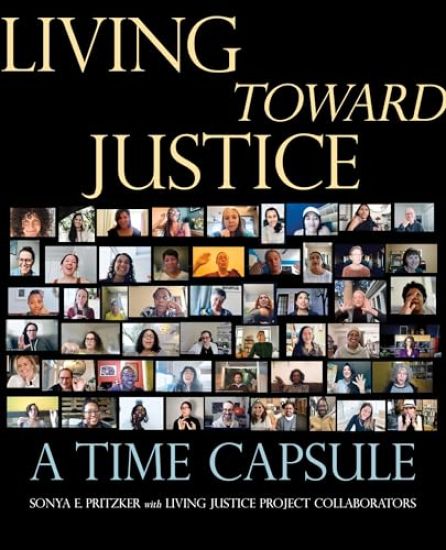
An illustrated exploration of how practitioners and scholars in the field of embodied social justice (ESJ) seek to incorporate justice in everyday life The book documents three collective time capsules from 2020 to 2022, during which fifty-two collaborators in the Living Justice Project responded to a series of prompts and activities to express "What does it look, feel, and sound like to live (towards) justice in your life?" Through photographs, video and audio recordings, and text-based reflections, they offer readers a vivid and immersive experience of embodying justice during a unique moment in history. Led primarily by Black and and/or queer practitioner-scholars, the diverse ESJ community engages in a vibrant dialogue of the ways in which practices such as yoga, ecstatic dance, somatic psychotherapy, meditation, martial arts, and more are often characterized by cultural appropriation, lack of diversity, and lack of social analysis. Prominent collaborators of this ethnographic study and the book include Reverend angel Kyodo williams, adrienne maree brown, Patrisse Cullors, Alexis Pauline Gumbs, Staci Haines, Sará King, Rae Johnson, Resmaa Menakem, Zea Leguizamon, Samuel Leguizamon Grant, and Nkem Ndefo, to name a few.
Learning to Love

Learning to Love

Sonya E Pritzker

THE UNIVERSITY OF MICHIGAN PRESS
2024
sidottu
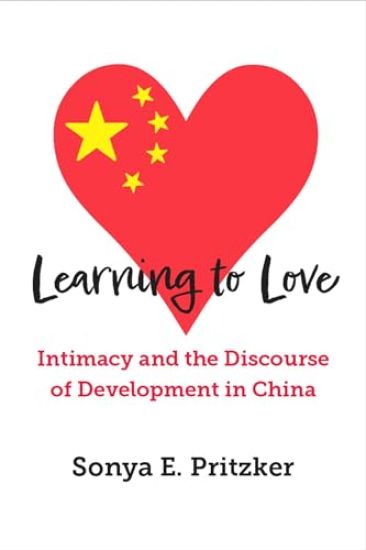
Learning to Love offers a range of perspectives on the embodied, relational, affective, and sociopolitical project of “learning to love” at the New Life Center for Holistic Growth, a popular “mind-body-spirit” bookstore and practice space in northeast China, in the early part of the 21st century. This intimate form of self-care exists alongside the fast-moving, growing capitalist society of contemporary China and has emerged as an understandable response to the pressures of Chinese industrialized life in the early 21st century. Opening with an investigation of the complex ways newcomers to the center suffered a sense of being “off,” both in and with the world at multiple scales, Learning to Love then examines how new horizons of possibility are opened as people interact with one another as well as with a range of aesthetic objects at New Life. Author Sonya Pritzker draws upon the core concepts of scalar intimacy—a participatory, discursive process in which people position themselves in relation to others as well as dominant ideologies, concepts, and ideals—and scalar inquiry—the process through which speakers interrogate these forms, their relationship with them, and their participation in reproducing them. In demonstrating the collaborative interrogation of culture, history, and memory, she examines how these exercises in physical, mental, and spiritual self-care allow participants to grapple with past social harms and forms of injustice, how historical systems of power—including both patriarchal and governance structures—continue in the present, and how they might be transformed in the future. By examining the interactions and relational experiences from New Life, Learning to Love offers a range of novel theoretical interventions into political subjectivity, temporality, and intergenerational trauma/healing.
Learning to Love

Learning to Love

Sonya E Pritzker

THE UNIVERSITY OF MICHIGAN PRESS
2024
nidottu
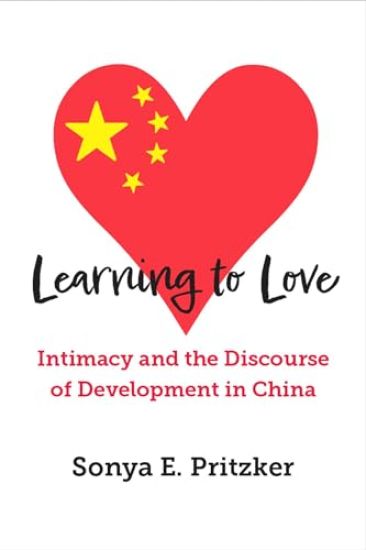
Learning to Love offers a range of perspectives on the embodied, relational, affective, and sociopolitical project of “learning to love” at the New Life Center for Holistic Growth, a popular “mind-body-spirit” bookstore and practice space in northeast China, in the early part of the 21st century. This intimate form of self-care exists alongside the fast-moving, growing capitalist society of contemporary China and has emerged as an understandable response to the pressures of Chinese industrialized life in the early 21st century. Opening with an investigation of the complex ways newcomers to the center suffered a sense of being “off,” both in and with the world at multiple scales, Learning to Love then examines how new horizons of possibility are opened as people interact with one another as well as with a range of aesthetic objects at New Life. Author Sonya Pritzker draws upon the core concepts of scalar intimacy—a participatory, discursive process in which people position themselves in relation to others as well as dominant ideologies, concepts, and ideals—and scalar inquiry—the process through which speakers interrogate these forms, their relationship with them, and their participation in reproducing them. In demonstrating the collaborative interrogation of culture, history, and memory, she examines how these exercises in physical, mental, and spiritual self-care allow participants to grapple with past social harms and forms of injustice, how historical systems of power—including both patriarchal and governance structures—continue in the present, and how they might be transformed in the future. By examining the interactions and relational experiences from New Life, Learning to Love offers a range of novel theoretical interventions into political subjectivity, temporality, and intergenerational trauma/healing.