Kirjojen hintavertailu. Mukana 12 595 353 kirjaa ja 12 kauppaa.

Kirjailija

Sophie Mills

Kirjat ja teokset yhdessä paikassa: 7 kirjaa, julkaisuja vuosilta 1997-2026, suosituimpien joukossa The Image of Classics and Classicists in Modern Fiction. Vertaile teosten hintoja ja tarkista saatavuus suomalaisista kirjakaupoista.

7 kirjaa

Kirjojen julkaisuhaarukka 1997-2026.

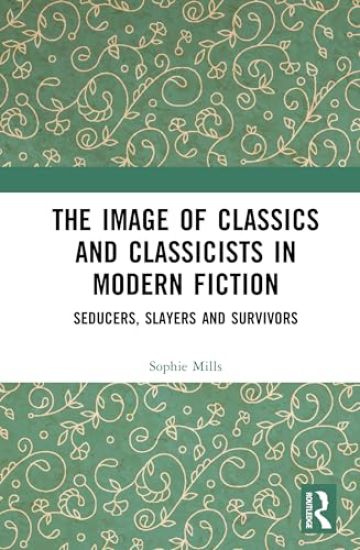
The Image of Classics and Classicists in Modern Fiction
This book explores the portrayal of the discipline of Classics and its practitioners as it emerges from fiction written in the United Kingdom and United States from the 19th century to the present day. This is the first book-length treatment of Classics and its practitioners in the popular imagination. It begins with a discussion of the unique role of Classics in British and North American education, before examining selected earlier fictional representations of classicists from the 19th century to c.1960. The third chapter explores the topic thematically, showing certain tendencies in the portrayal of the discipline and its practitioners in fiction, offering readers copious examples of fictional classicists of varying degrees of fame. The final chapter explores the image of Classics since Donna Tartt’s famous portrayal of Classics majors in The Secret History (1992), focusing on the paradoxical growth of novels about classicists in the context of the discipline’s increasingly tenuous position in educational curricula, followed by a brief appendix on Classics and Dark Academia. The Image of Classics and Classicists in Modern Fiction is suitable for students and scholars of classical reception, but also offers a fascinating insight into the perceptions in modern culture of Classics more broadly, of interest to anyone working or studying within the discipline.

Hi Friend

Hi Friend

Sophie Mills

Grief Revolution
2025
sidottu
Join Zoe and her bunny, Flopsy as they explore the topics of grief and death. Together they meet three friends -Cooper, Lily, and Tully, who share theirexperiences with having had someone they love, die. Follow along with Zoe, as she learns the answer to some big questions like "What happens when someone dies?" and "How long does grief last?".
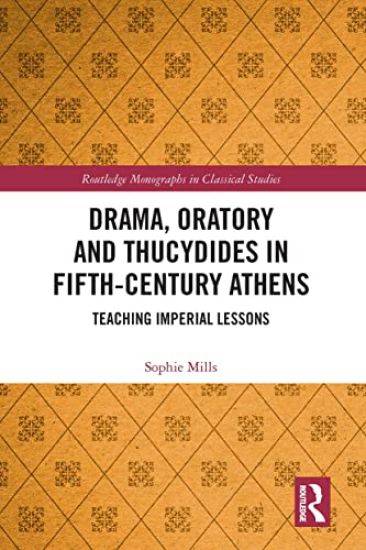
Drama, Oratory and Thucydides in Fifth-Century Athens
This study centres on the rhetoric of the Athenian empire, Thucydides’ account of the Peloponnesian War and the notable discrepancies between his assessment of Athens and that found in tragedy, funeral orations and public art. Mills explores the contradiction between Athenian actions and their self-representation, arguing that Thucydides’ highly critical, cynical approach to the Athenian empire does not reflect how the average Athenian saw his city’s power. The popular education of the Athenians, as presented to them in funeral speeches, drama and public art told a very different story from that presented by Thucydides’ history, and it was far more palatable to ordinary Athenians since it offered them a highly flattering portrayal of their city and, by extension, each individual who made up that city.Drama, Oratory and Thucydides in Fifth-Century Athens: Teaching Imperial Lessons offers a fascinating insight into Athenian self-representation and will be of interest to anyone working on classical Athens, the Greek polis and classical historiography.
Drama, Oratory and Thucydides in Fifth-Century Athens
This study centres on the rhetoric of the Athenian empire, Thucydides’ account of the Peloponnesian War and the notable discrepancies between his assessment of Athens and that found in tragedy, funeral orations and public art. Mills explores the contradiction between Athenian actions and their self-representation, arguing that Thucydides’ highly critical, cynical approach to the Athenian empire does not reflect how the average Athenian saw his city’s power. The popular education of the Athenians, as presented to them in funeral speeches, drama and public art told a very different story from that presented by Thucydides’ history, and it was far more palatable to ordinary Athenians since it offered them a highly flattering portrayal of their city and, by extension, each individual who made up that city.Drama, Oratory and Thucydides in Fifth-Century Athens: Teaching Imperial Lessons offers a fascinating insight into Athenian self-representation and will be of interest to anyone working on classical Athens, the Greek polis and classical historiography.
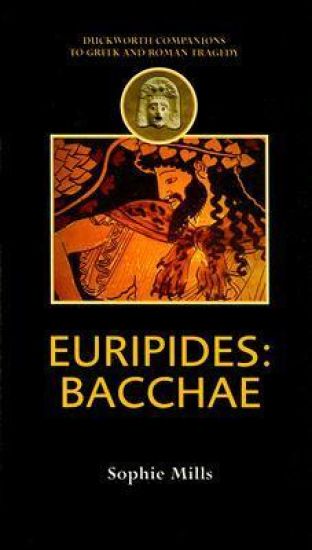
Euripides

Euripides

Sophie Mills

Bristol Classical Press
2006
nidottu
Accessible introductions to ancient tragedies discussing the main themes of a play and the developments in modern criticism, while also addressing the play's historical context and the history of its performance and adaptation. This book explores Dionysus place in Athenian religion, and what Euripides makes of him in the play.
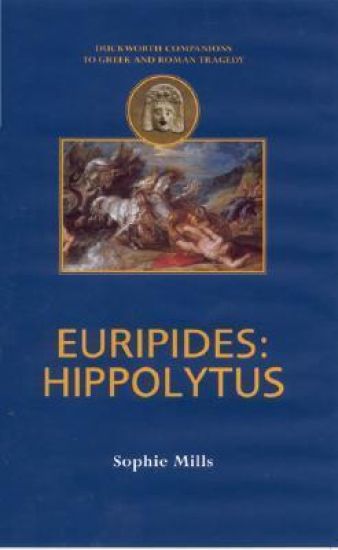
Euripides

Euripides

Sophie Mills

Bristol Classical Press
2002
pokkari
"Hippolytus" is generally acknowledged to be one of Euripides' finest tragedies, for the construction of its plot, its use of language and its memorable characterisations of Phaedra and Hippolytus. Furthermore, it asks serious and disturbing questions about the influence of divinity on human lives. Sophie Mills considers these and many other themes in detail, setting the play in its mythological, cultural and historical contexts. She also includes discussions of major trends in interpretations of the play and of subsequent adaptations of the Hippolytus story, from Seneca to Mary Renault and beyond.
Theseus, Tragedy, and the Athenian Empire

Theseus, Tragedy, and the Athenian Empire

Sophie Mills

Clarendon Press
1997
sidottu
This book traces the development of the Theseus myth and its importance for Athens from the earliest evidence down to the end of the fifth century. The author examines all extant tragedy in which Theseus appears, even including the fragmentary drama in which Theseus is known to appear, to assess the significance of his role as mythological representative of Athenian greatness. The author argues that the Theseus of most Athenian tragedy is carefully drawn to exemplify the idealized image of the Athenian `national character' that was prevalent in the age of the Athenian empire. Every nation needs role models: the Athenians were no exception. Handsome, brave, intelligent, and just, Theseus seemed the perfect Athenian, but under the exterior lay a heartless seducer, rapist, and killer of his own son. The author describes Athenian attempts to cope with these contradictions in her discussion of how the Theseus of Athenian tragedy relates to Athenian life and imperial ideology.