Kirjojen hintavertailu. Mukana 12 595 353 kirjaa ja 12 kauppaa.

Kirjailija

Sou Hee (Sophie) Yang

Kirjat ja teokset yhdessä paikassa: 2 kirjaa, julkaisuja vuosilta 2019-2020, suosituimpien joukossa How Can So Many Be Wrong?. Vertaile teosten hintoja ja tarkista saatavuus suomalaisista kirjakaupoista.

2 kirjaa

Kirjojen julkaisuhaarukka 2019-2020.

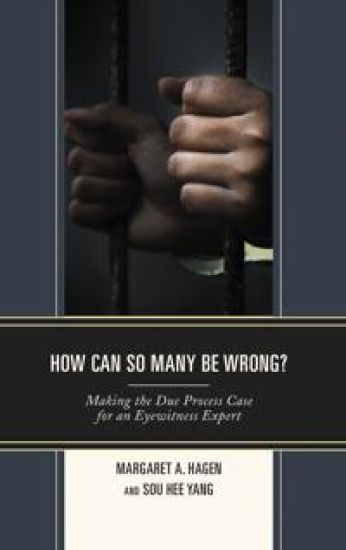
How Can So Many Be Wrong?

How Can So Many Be Wrong?

Margaret A. Hagen; Sou Hee (Sophie) Yang

Lexington Books
2020
nidottu
Of the 347 U.S. false criminal convictions overturned so far through DNA testing, 73 percent were based on erroneous eyewitness testimony. How could so many eyewitnesses be wrong? This book answers this question. The analysis of the U.S. Supreme Court eyewitness cases shows that most of the Court’s holdings were likely in error. The Court—like the judges and juries in the courts below—greatly overestimated the reliability of eyewitnesses against the defendants and decided their convictions based on unsound evidence. The facts of the cases and personalities of the defendants are engaging and compelling. An expert is needed to inform the judge and the jury of the circumstances to consider when weighing the testimony of the witness against the facts of the case. It is a clear violation of Due Process to deny the defendant the provision of an expert witness in all cases where the eyewitness testimony lacks corroboration. Research assessing both cross-examination and jury instructions makes it abundantly clear that neither can effectively provide courts with the counterintuitive information necessary to evaluate eyewitness reliability: denial of an expert is denial of Due Process.
How Can So Many Be Wrong?

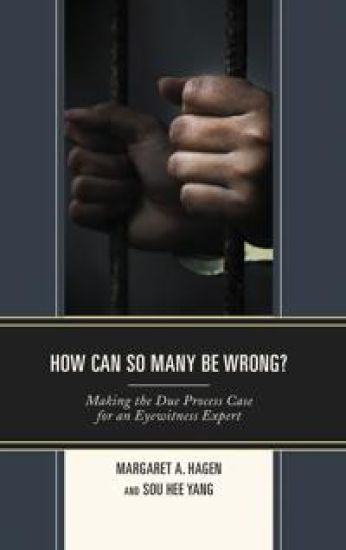
How Can So Many Be Wrong?

Margaret A. Hagen; Sou Hee (Sophie) Yang

Lexington Books
2019
sidottu
Of the 347 U.S. false criminal convictions overturned so far through DNA testing 73% were based on erroneous eyewitness testimony. How could so many eyewitnesses be wrong? How Can So Many Be Wrong? answers that question. The analysis of the U.S. Supreme Court eyewitness cases shows that most the Court’s holdings were likely in error. The Court—like the judges and juries in the courts below—greatly overestimated the reliability of eyewitnesses against the defendants and decided their convictions based on unsound evidence. The facts of the cases and personalities of the defendants are engaging, even compelling. An expert is needed to inform the judge and the jury of the circumstances to consider when weighing the testimony of the witness against the facts of the case. It is a clear violation of Due Process to deny the defendant the provision of an expert witness in all cases where the eyewitness testimony lacks corroboration Research assessing both cross-examination and jury instructions makes it abundantly clear that neither can effectively provide courts with the counterintuitive information necessary to evaluate eyewitness reliability. Denial of an expert is denial of Due Process.