
Kirjojen hintavertailu. Mukana 12 657 676 kirjaa ja 12 kauppaa.

Kirjailija

Stephanie Baker Opperman

Kirjat ja teokset yhdessä paikassa: 2 kirjaa, julkaisuja vuosilta 2024-2026, suosituimpien joukossa Cold War Anthropologist. Vertaile teosten hintoja ja tarkista saatavuus suomalaisista kirjakaupoista.

2 kirjaa

Kirjojen julkaisuhaarukka 2024-2026.

Cold War Anthropologist

Cold War Anthropologist

Stephanie Baker Opperman

University of Arizona Press
2026
nidottu
As an archaeologist, anthropologist, scholar, educator, and program evaluator for the U.S. State Department during the early Cold War era, Dr. Isabel T. Kelly’s (1906–1983) career presents a distinctive vantage point on the evolving landscape of U.S. foreign policy, Mexican rural welfare initiatives, and the discipline of anthropology. Her trajectory illuminates a shift toward pragmatic, culturally sensitive approaches in technical assistance programs for Mexico’s rural areas, departing from traditional U.S.-centric developmental paradigms. Kelly’s transition from a prominent archaeologist to a key figure in applied anthropology is meticulously chronicled, unveiling her pivotal role in shaping rural development strategies in Mexico amidst the geopolitical context of the Cold War. Through an extensive examination of her correspondence, archival material, and scholarly output, Kelly’s evolving viewpoints offer profound insights into the intricate dynamics of U.S.-Mexico relations and the challenges encountered by female academics during this era. Organized chronologically, each chapter of this work delves into distinct facets of Kelly’s international journey, with a particular emphasis on her involvement in cooperative programs aimed at fostering diplomatic relations with Mexico. Through this narrative framework, readers are immersed in a compelling exploration of Kelly’s enduring impact on both the field of anthropology and the realm of international diplomacy. This book is indispensable for historians, anthropologists, and individuals intrigued by the nuanced complexities of Cold War politics, presenting pioneering research at the intersection of history and anthropology. Opperman skillfully brings to light the previously untold narratives of Isabel Kelly, unveiling her influence on mid-twentieth-century Mexico.
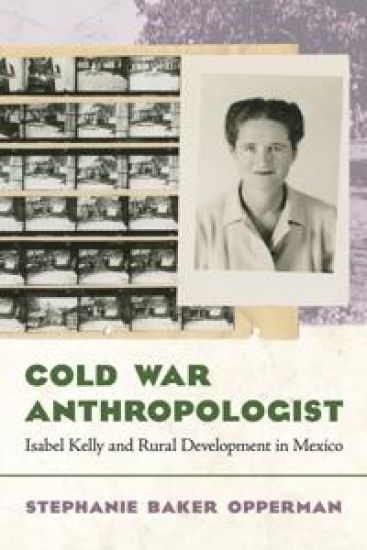
Cold War Anthropologist

Cold War Anthropologist

Stephanie Baker Opperman

University of Arizona Press
2024
sidottu
As an archaeologist, anthropologist, scholar, educator, and program evaluator for the U.S. State Department during the early Cold War era, Dr. Isabel T. Kelly’s (1906–1983) career presents a distinctive vantage point on the evolving landscape of U.S. foreign policy, Mexican rural welfare initiatives, and the discipline of anthropology. Her trajectory illuminates a shift toward pragmatic, culturally sensitive approaches in technical assistance programs for Mexico’s rural areas, departing from traditional U.S.-centric developmental paradigms. Kelly’s transition from a prominent archaeologist to a key figure in applied anthropology is meticulously chronicled, unveiling her pivotal role in shaping rural development strategies in Mexico amidst the geopolitical context of the Cold War. Through an extensive examination of her correspondence, archival material, and scholarly output, Kelly’s evolving viewpoints offer profound insights into the intricate dynamics of U.S.-Mexico relations and the challenges encountered by female academics during this era. Organized chronologically, each chapter of this work delves into distinct facets of Kelly’s international journey, with a particular emphasis on her involvement in cooperative programs aimed at fostering diplomatic relations with Mexico. Through this narrative framework, readers are immersed in a compelling exploration of Kelly’s enduring impact on both the field of anthropology and the realm of international diplomacy. This book is indispensable for historians, anthropologists, and individuals intrigued by the nuanced complexities of Cold War politics, presenting pioneering research at the intersection of history and anthropology. Opperman skillfully brings to light the previously untold narratives of Isabel Kelly, unveiling her influence on mid-twentieth-century Mexico.