Kirjojen hintavertailu. Mukana 12 595 353 kirjaa ja 12 kauppaa.
Kirjailija
Stephanie Buck
Kirjat ja teokset yhdessä paikassa: 4 kirjaa, julkaisuja vuosilta 2013-2023, suosituimpien joukossa The Misfit of Demon King Academy, Vol. 1 (light novel). Vertaile teosten hintoja ja tarkista saatavuus suomalaisista kirjakaupoista.
Tyrannical demon king Anos Volidgoad has destroyed humans, spirits, and gods alike, but eventually tires of endless war. Dreaming of a peaceful life, he reincarnates two thousand years into the future, only to find his descendants weak and complacent, and modern magic a joke. But when he enrolls in Demon King Academy hoping to regain his former glory, he's labelled a failure and a misfit! What's going on with this world?
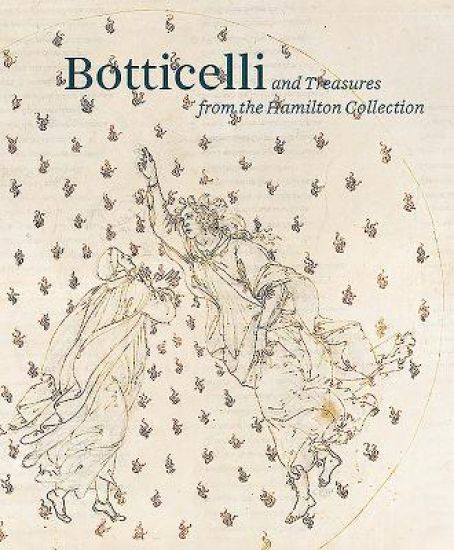
In 1882 the Berlin Kupferstichkabinett (Prints and Drawings Museum) acquired, from the collection of the Duke of Hamilton, Sandro Botticelli’s spectacular series of drawings on parchment illustrating scenes from Dante’s ‘Divine Comedy’. It also acquired nearly all the items in the duke’s priceless collection of illuminated manuscripts. The wider British public only became aware of these masterpieces when rumours of the Berlin museum’s attempts to woo the Scottish duke started circulating in the press. No less than Queen Victoria and her daughter, wife of the German crown prince, appealed for these treasures to remain in the UK. In spite of their efforts, the Berlin museum pulled off a sensational coup in acquiring the Hamilton collection. Since then the Botticelli drawings and the splendid Hamilton manuscripts have formed the cornerstone of the Kupferstichkabinett’s collection and are regarded as amongst the very greatest treasures of the Berlin State Museums. Accompanying an exhibition that brings back to the UK some of the greatest of the former Hamilton treasures, this book includes no less than thirty of Botticelli’s exquisite ‘Dante drawings’. The series is of the highest order of importance and rarity, and this book will be an exceptional opportunity to explore the great Renaissance master’s interpretation of one of the canonical texts of world literature. Ten drawings will be included from each of the three ‘books’ or realms of the Divine Comedy: Inferno, Purgatorio, and Paradiso. The drawings will be accompanied by an extraordinary selection of illuminated manuscripts from the time of Botticelli, including the monumental ‘Hamilton Bible’. Acknowledged to be one of the most important illuminated manuscripts in the world, this splendid princely volume is depicted in Raphael’s portrait of Pope Leo X. It has not been lent anywhere for 17 years and has never returned to the UK since it left in 1882. The Dante series will be further enhanced by the Courtauld Gallery’s own collection, which includes the master’s large altarpiece of The Holy Trinity with Saints John and Mary Magdalene, dating to the same years as the Dante series. Bibliophile treasures of the highest caliber, all the works in this dazzling group are created by the best artists of their day for illustrious patrons, members of the leading families of Italy – the Medici, the Sforza and the kings of Naples. The manuscripts’ splendid variety and luminous colou=rs exemplify what Dante termed the “smiling pages” when describing, in his Commedia, the art of manuscript illumination which so captured the public imagination in 19th century.
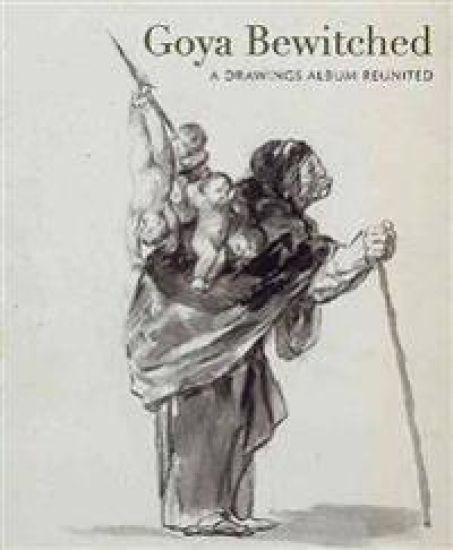
One of the masterpieces of The Courtauld Gallery’s collection of Spanish drawings is a sheet known as Cantar y bailar (Singing and dancing), page 3 from Goya’s Album D, also known as the ‘Witches and Old Women’ album. Bringing together all the extant album pages, currently numbered up to 23, this catalogue proposes a reconstruction of the album that would include the sheets from which Goya’s page numbers have been erased or trimmed away. Goya began to create ‘journal albums’ of drawings relatively late in life, after the shattering illness that left him stone deaf before the age of fifty. It was a practice he would sustain until his death, creating eight albums (named with letters A to H) that originally included a total of some 550 drawings. Visually, technically and intellectually coherent, these albums are unified in their discrete techniques and types of support, and paginated (after the first). In these album pages Goya committed to paper his views, with or without written comments, on human nature and the world around him. Each album has its own distinctive subject matter, style and technique. The later history of the eight albums, already expertly chronicled, remains under investigation. The disbound album sheets were remounted in large volumes by Goya’s son, then sold en bloc by his grandson. Following their final dispersal by Federico de Madrazo and Valentín Carderera in the 1860s and 1870s, many gaps remain in all the albums. This exhibition and the research underpinning it on Album D are the pilot for an international project for the reconstruction of Goya’s graphic oeuvre. The publication will test the extent of Album D and explore the possible sequence and thematic coherence of the sheets. The individual Album D drawings will be reproduced as a proposed reconstructed sequence, each with detailed catalogue entry and technical information. In addition, the publication will define the context of the album by including a number of closely related works by Goya.
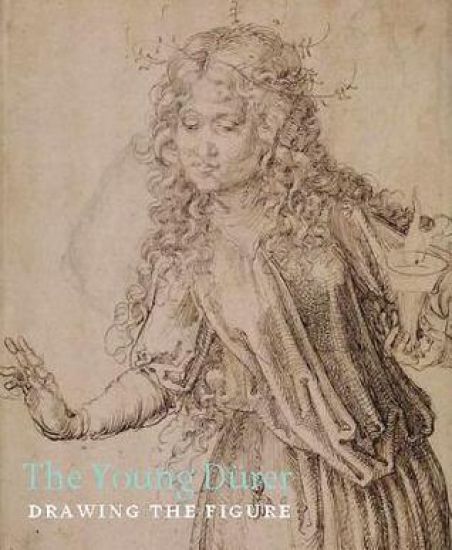
Accompanying a landmark exhibition at the Courtauld Gallery, this book examines the remarkable drawings made by Durer as a young man from 1490 to 1495, especially those made during his journeyman years, or Wanderjahre – considered the final part of a craftsman’s training – and a second shorter trip which immediately followed and seems to have brought the artist to Italy. These trips form the framework for the book, which focuses on the young artist’s figure studies and has at its heart the Courtauld Gallery’s double-sided drawing of a Wise Virgin and Two studies of the artist’s left leg. This superbly ambitious work serves as a springboard to explore in depth the role of drawing at this stage of Durer’s career. It allows us to address a series of crucial questions: how Durer formed ‘his hand’, how he responded to artistic challenges presented by contemporary and earlier art (both on a stylistic and an iconographic level), how his pursuit of professional success was linked with the quest for an individual artistic identity, and how the strategy of recording his own creative achievements in drawings dovetails with his claim for a new status for the artist in his city. The scholarly and beautifully illustrated catalogue is introduced with five essays by distinguished experts. Stephanie Buck examines the documentary evidence and attempts to reconstruct the motivations and activities of Durer’s travels as a young man. David Freedberg discusses Durer’s obsessive observation and recording of himself in portraits and in studies of his limbs. These represent the first critical steps in the artist’s developing understanding of the body, and of the ways in which its movements could not just show emotion, but rouse the equivalent sense of torsion, tension and pathos in the bodies and minds of his viewers. Stephanie Porras looks at Durer’s copies of drawings or prints circulating in Nuremberg workshops or acquired during the Wanderjahre, which were used as a means of seeking inspiration, of challenging himself to draw more sophisticated figures and dynamic compositions. Michael Roth asks the question of how the three strands of the art of the line – drawing, engraving and woodcut – structurally correspond in Durer’s work and, consequently, how drawing merges with certain manual aspects of printing. A final essay presents new technical research on Durer’s early drawings undertaken collaboratively in a number of leading collections of the artist’s work, and aims to enrich our understanding of the young Durer’s approach to the medium of drawing.