Kirjojen hintavertailu. Mukana 12 460 896 kirjaa ja 12 kauppaa.

Kirjailija

Stephanie Y. Evans

Kirjat ja teokset yhdessä paikassa: 6 kirjaa, julkaisuja vuosilta 2007-2024, suosituimpien joukossa Black Women's Yoga History. Vertaile teosten hintoja ja tarkista saatavuus suomalaisista kirjakaupoista.

6 kirjaa

Kirjojen julkaisuhaarukka 2007-2024.

Black Feminist Writing

Black Feminist Writing

Stephanie Y. Evans

STATE UNIVERSITY OF NEW YORK PRESS
2024
sidottu
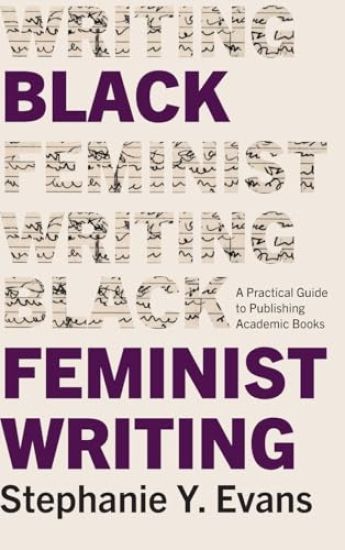
Draws on the rich history of Black feminist writing to help scholars manage the stress of writing and publishing academic books.Finalist for the 2024 Foreword INDIES Book of the Year Award in the Reference categoryWriting scholarly books is stressful, and academic publishing can be intimidating-especially for women, queer folks, and scholars of color. Black Feminist Writing shows scholars how to prioritize their mental health while completing a book in race and gender studies. Drawing on Black women's writing traditions, as well as her own experience as the author and editor of nine university press books, Stephanie Y. Evans gives scholars tools to sustain the important work of academic writing, particularly in fields routinely under attack by anti-democratic forces. Evans identifies five major areas of stress: personal, professional, publishing-related, public, and political. Each chapter includes targeted discussion questions and tasks to help authors identify their unique stressors, create priorities, get organized, and breathe. Whether working on your first scholarly book or your tenth, this robust, heartfelt guide will help you approach writing as an ongoing practice of learning, creating, and teaching in ways that center wellness and collective self-care.
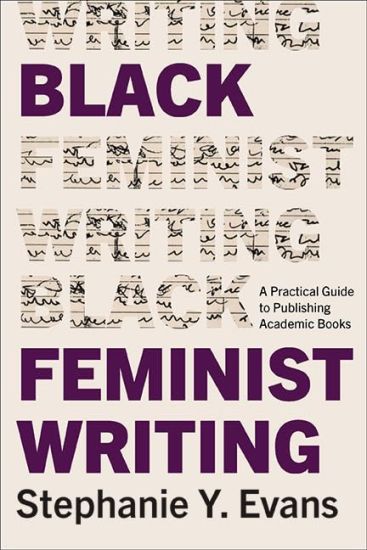
Black Feminist Writing

Black Feminist Writing

Stephanie Y. Evans

STATE UNIVERSITY OF NEW YORK PRESS
2024
pokkari
Draws on the rich history of Black feminist writing to help scholars manage the stress of writing and publishing academic books.Finalist for the 2024 Foreword INDIES Book of the Year Award in the Reference categoryWriting scholarly books is stressful, and academic publishing can be intimidating-especially for women, queer folks, and scholars of color. Black Feminist Writing shows scholars how to prioritize their mental health while completing a book in race and gender studies. Drawing on Black women's writing traditions, as well as her own experience as the author and editor of nine university press books, Stephanie Y. Evans gives scholars tools to sustain the important work of academic writing, particularly in fields routinely under attack by anti-democratic forces. Evans identifies five major areas of stress: personal, professional, publishing-related, public, and political. Each chapter includes targeted discussion questions and tasks to help authors identify their unique stressors, create priorities, get organized, and breathe. Whether working on your first scholarly book or your tenth, this robust, heartfelt guide will help you approach writing as an ongoing practice of learning, creating, and teaching in ways that center wellness and collective self-care.
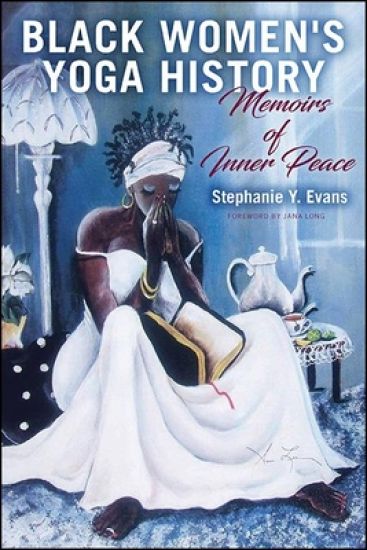
Black Women's Yoga History

Black Women's Yoga History

Stephanie Y. Evans; Jana Long

State University of New York Press
2021
pokkari
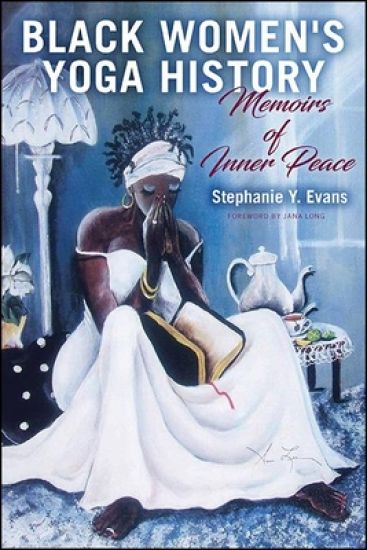
Examines how Black women elders have managed stress, emphasizing how self-care practices have been present since at least the mid-nineteenth century, with roots in African traditions.How have Black women elders managed stress? In Black Women's Yoga History, Stephanie Y. Evans uses primary sources to answer that question and to show how meditation and yoga from eras of enslavement, segregation, and migration to the Civil Rights, Black Power, and New Age movements have been in existence all along. Life writings by Harriet Jacobs, Sadie and Bessie Delany, Eartha Kitt, Rosa Parks, Jan Willis, and Tina Turner are only a few examples of personal case studies that are included here, illustrating how these women managed traumatic stress, anxiety, and depression. In more than fifty yoga memoirs, Black women discuss practices of reflection, exercise, movement, stretching, visualization, and chanting for self-care. By unveiling the depth of a struggle for wellness, memoirs offer lessons for those who also struggle to heal from personal, cultural, and structural violence. This intellectual history expands conceptions of yoga and defines inner peace as mental health, healing, and wellness that is both compassionate and political.
Black Women's Yoga History

Black Women's Yoga History

Stephanie Y. Evans; Jana Long

State University of New York Press
2021
sidottu
Examines how Black women elders have managed stress, emphasizing how self-care practices have been present since at least the mid-nineteenth century, with roots in African traditions.How have Black women elders managed stress? In Black Women's Yoga History, Stephanie Y. Evans uses primary sources to answer that question and to show how meditation and yoga from eras of enslavement, segregation, and migration to the Civil Rights, Black Power, and New Age movements have been in existence all along. Life writings by Harriet Jacobs, Sadie and Bessie Delany, Eartha Kitt, Rosa Parks, Jan Willis, and Tina Turner are only a few examples of personal case studies that are included here, illustrating how these women managed traumatic stress, anxiety, and depression. In more than fifty yoga memoirs, Black women discuss practices of reflection, exercise, movement, stretching, visualization, and chanting for self-care. By unveiling the depth of a struggle for wellness, memoirs offer lessons for those who also struggle to heal from personal, cultural, and structural violence. This intellectual history expands conceptions of yoga and defines inner peace as mental health, healing, and wellness that is both compassionate and political.
Black Women in the Ivory Tower, 1850-1954

Black Women in the Ivory Tower, 1850-1954

Stephanie Y. Evans

University Press of Florida
2008
nidottu
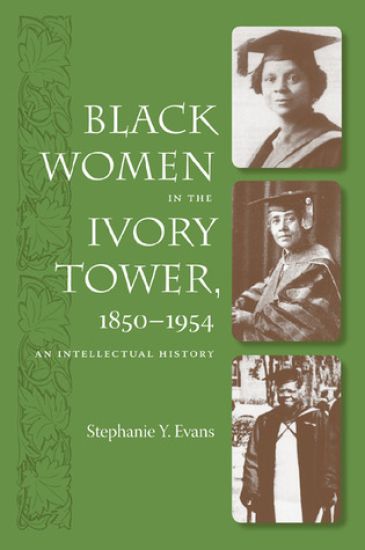
"Provides scholars with a historical lens from which to view the higher education of black women . . . [and] how one generation of black women benefited from the work and sacrifices of the prior generation."--Adah L. Ward Randolph, Ohio University "Keen historical and theoretical observation of African American women's relationship to educational institutions in the United States."--Heidi Lasley Barajas, University of Minnesota Evans chronicles the stories of African American women who struggled for and won access to formal education, beginning in 1850, when Lucy Stanton, a student at Oberlin College, earned the first college diploma conferred on an African American woman. In the century between the Civil War and the civil rights movement, a critical increase in black women's educational attainment mirrored unprecedented national growth in American education. Evans reveals how black women demanded space as students and asserted their voices as educators--despite such barriers as violence, discrimination, and oppressive campus policies--contributing in significant ways to higher education in the United States. She argues that their experiences, ideas, and practices can inspire contemporary educators to create an intellectual democracy in which all people have a voice. Among those Evans profiles are Anna Julia Cooper, who was born enslaved yet ultimately earned a doctoral degree from the Sorbonne, and Mary McLeod Bethune, founder of Bethune-Cookman College. Exposing the hypocrisy in American assertions of democracy and discrediting European notions of intellectual superiority, Cooper argued that all human beings had a right to grow. Bethune believed that education is the right of all citizens in a democracy. Both women's philosophies raised questions of how human and civil rights are intertwined with educational access, scholarly research, pedagogy, and community service. This first complete educational and intellectual history of black women carefully traces quantitative research, explores black women's collegiate memories, and identifies significant geographic patterns in America's institutional development. Evans reveals historic perspectives, patterns, and philosophies in academia that will be an important reference for scholars of gender, race, and education. Stephanie Y. Evans is assistant professor in the African American Studies Program and Center for Women's Studies and Gender Research at the University of Florida.
Black Women in the Ivory Tower, 1850-1954

Black Women in the Ivory Tower, 1850-1954

Stephanie Y. Evans

University Press of Florida
2007
sidottu
Evans chronicles the stories of African American women who struggled for and won access to formal education, beginning in 1850, when Lucy Stanton, a student at Oberlin College, earned the first college diploma conferred on an African American woman. In the century between the Civil War and the civil rights movement, a critical increase in black women's educational attainment mirrored unprecedented national growth in American education. Evans reveals how black women demanded space as students and asserted their voices as educators - despite such barriers as violence, discrimination, and oppressive campus policies - contributing in significant ways to higher education in the United States. She argues that their experiences, ideas, and practices can inspire contemporary educators to create an intellectual democracy in which all people have a voice. Among those Evans profiles are Anna Julia Cooper, who was born enslaved yet ultimately earned a doctoral degree from the Sorbonne, and Mary McLeod Bethune, founder of Bethune-Cookman College. Both women's philosophies raised questions of how human and civil rights are intertwined with educational access, scholarly research, pedagogy, and community service. This first complete educational and intellectual history of black women carefully traces quantitative research, explores black women's collegiate memories, and identifies significant geographic patterns in America's institutional development. Evans reveals historic perspectives, patterns, and philosophies in academia that will be an important reference for scholars of gender, race, and education.