Kirjojen hintavertailu. Mukana 12 595 353 kirjaa ja 12 kauppaa.

Kirjailija

Stephen Best

Kirjat ja teokset yhdessä paikassa: 4 kirjaa, julkaisuja vuosilta 2014-2024, suosituimpien joukossa Doing and Making Authentic Literacies. Vertaile teosten hintoja ja tarkista saatavuus suomalaisista kirjakaupoista.

4 kirjaa

Kirjojen julkaisuhaarukka 2014-2024.

Inga som vi

Inga som vi

Stephen Best; Viola Bao

Modernista
2024
nidottu
I sin introduktion till Inga som vi [None Like Us: Blackness, Belonging, Aesthetic Life, 2018] kritiserar Stephen Best den typ av svart samtida skrivande som grundar sig i vad han kallar »melankolisk historicism«: föreställningen att det går att återvända till ett gemensamt traumatiskt förflutet för att skriva fram ett enhetligt kollektiv. Han gör det genom att ta sin utgångspunkt i James Baldwins - liksom sin egen - komplicerade relation till sin far. Istället för att fokusera på en gemenskap grundad i traumat, försöker Stephen Best tänka på minioritetsskap och svarthet i termer av oöverförbarhet, negativitet, och en queerad relation till historien och tidigare generationer. Detta erbjuder ett radikalt annorlunda förhållningssätt till historiskt minne, tillhörighet och kollektiv gemenskap än vad vi är vana vid. Den inledande essän i Inga som vi presenteras här för första gången på svenska, i översättning och med förord av Viola Bao, litteraturkritiker på Dagens Nyheter och doktorand i litteraturvetenskap på Northwestern University i Chicago.STEPHEN BEST är kulturteoretiker och professor i afroamerikansk litteratur på UC Berkeley i Kalifornien. Hans skrivande kretsar bland annat kring afroamerikansk kulturhistoria, slaveriet som historiografiskt problem och lagstiftningens retorik och poetik. Utöver Inga som vi [None Like Us, 2018] är han författare till The Fugitive's Properties: Law and the Poetics of Possession.
None Like Us

None Like Us

Stephen Best

Duke University Press
2018
pokkari
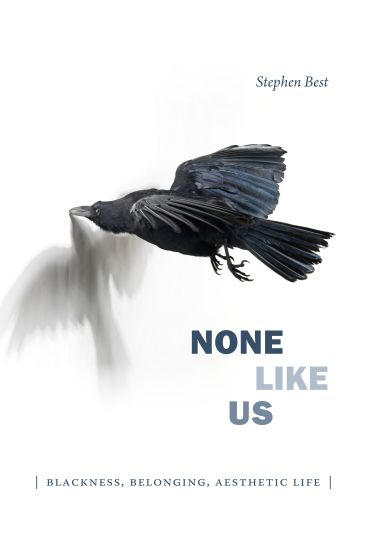
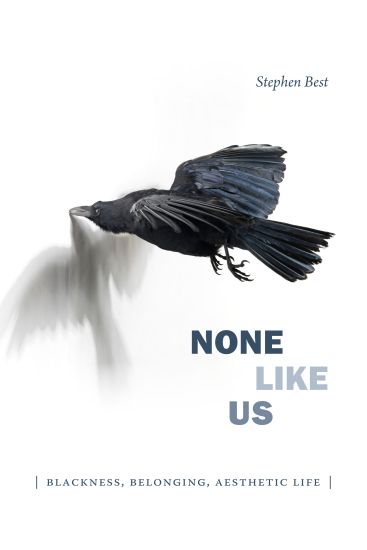
It passes for an unassailable truth that the slave past provides an explanatory prism for understanding the black political present. In None Like Us Stephen Best reappraises what he calls “melancholy historicism”-a kind of crime scene investigation in which the forensic imagination is directed toward the recovery of a “we” at the point of “our” violent origin. Best argues that there is and can be no “we” following from such a time and place, that black identity is constituted in and through negation, taking inspiration from David Walker’s prayer that “none like us may ever live again until time shall be no more.” Best draws out the connections between a sense of impossible black sociality and strains of negativity that have operated under the sign of queer. In None Like Us the art of El Anatsui and Mark Bradford, the literature of Toni Morrison and Gwendolyn Brooks, even rumors in the archive, evidence an apocalyptic aesthetics, or self-eclipse, which opens the circuits between past and present and thus charts a queer future for black study.
None Like Us

None Like Us

Stephen Best

Duke University Press
2018
sidottu
It passes for an unassailable truth that the slave past provides an explanatory prism for understanding the black political present. In None Like Us Stephen Best reappraises what he calls “melancholy historicism”-a kind of crime scene investigation in which the forensic imagination is directed toward the recovery of a “we” at the point of “our” violent origin. Best argues that there is and can be no “we” following from such a time and place, that black identity is constituted in and through negation, taking inspiration from David Walker’s prayer that “none like us may ever live again until time shall be no more.” Best draws out the connections between a sense of impossible black sociality and strains of negativity that have operated under the sign of queer. In None Like Us the art of El Anatsui and Mark Bradford, the literature of Toni Morrison and Gwendolyn Brooks, even rumors in the archive, evidence an apocalyptic aesthetics, or self-eclipse, which opens the circuits between past and present and thus charts a queer future for black study.