
Kirjailija
Stephen Dando-Collins
Kirjat ja teokset yhdessä paikassa: 33 kirjaa, julkaisuja vuosilta 2002-2025, suosituimpien joukossa La Maldición de Los Césares: La Crónica Fascinante de Una Época Convulsa: Desde Calígula a Trajano. Vertaile teosten hintoja ja tarkista saatavuus suomalaisista kirjakaupoista.
33 kirjaa
Kirjojen julkaisuhaarukka 2002-2025.
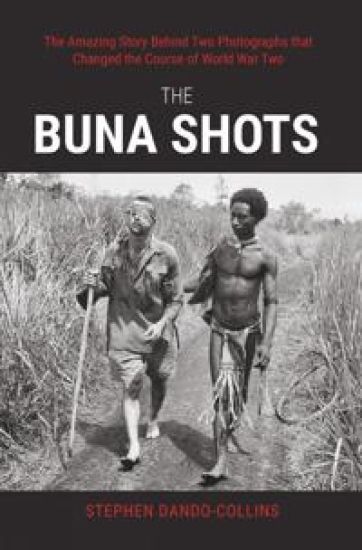
This is the story of two internationally famous photographers, the New Zealander George Silk and the American George Strock, who with exceeding bravery in World War II covered the intense fighting between Australian, New Zealand and American forces on one side, and Japanese Imperial forces on the other, in New Guinea and the Pacific. Among their many outstanding photos are one by each that have, like no other, come to represent the New Guinea war-front in the minds of the public. And yet at the time of taking these photos were thought too graphic and authentic for the general public in Australia and the United States to see, and they were censored. This book is about the making of those photos, their censorship and resulting personal and media struggle, and their eventual, consequential and now iconic publication.
Who was Rome’s greatest general, statesman, and nation-builder: Caesar or Pompey? Few people have had as many words written about them down through the centuries as Julius Caesar—the brilliant general who made Queen Cleopatra of Egypt his mistress. He has captured the imagination of playwrights, historians, soldiers, and emperors. Little has been written about his ally, son-in-law, and eventual enemy Pompey the Great, who crashed onto the Roman scene as a victorious twenty-three-year-old general and who, at the height of his career, was arguably more famous, more popular, and more successful than Caesar. Caesar Versus Pompey tells the parallel life stories of Julius Caesar and Pompey the Great, as their lives and loves became intertwined and interdependent, as they grew from rivals to partners, then from joint rulers to warring foes. One strove to preserve the Roman Republic, the other destroyed it.
Who was Rome’s greatest general, statesman, and nation-builder: Caesar or Pompey? Few people have had as many words written about them down through the centuries as Julius Caesar—the brilliant general who made Queen Cleopatra of Egypt his mistress. He has captured the imagination of playwrights, historians, soldiers, and emperors. Little has been written about his ally, son-in-law, and eventual enemy Pompey the Great, who crashed onto the Roman scene as a victorious twenty-three-year-old general and who, at the height of his career, was arguably more famous, more popular, and more successful than Caesar. Caesar Versus Pompey tells the parallel life stories of Julius Caesar and Pompey the Great, as their lives and loves became intertwined and interdependent, as they grew from rivals to partners, then from joint rulers to warring foes. One strove to preserve the Roman Republic, the other destroyed it.
An exploration of myth, legend, and origin stories passed from generation to generation.In the thirteenth century BC, a quarter of a century before the Trojan War, seven Greek warrior heroes went against the Greek city of Thebes to restore one of their number to the throne of his father, the famous King Oedipus. Several children of those seven heroes would later take part in the siege of Troy.This adventure was equal in the minds of Greeks and Romans with the siege of Troy as told in Homer’s epic The Iliad, an event which it predated by a generation. And while the story contains mythical elements, there are no factual, historical, or archaeological reasons to suggest that the military campaign did not take place much as described.Initially sung in verse and later committed to written form via histories, ancient poems, and plays, Seven Against Thebes is a historical narrative concerning one of the greatest military adventures of all time.
An exploration of myth, legend, and origin stories passed from generation to generation.In the thirteenth century BC, a quarter of a century before the Trojan War, seven Greek warrior heroes went against the Greek city of Thebes to restore one of their number to the throne of his father, the famous King Oedipus. Several children of those seven heroes would later take part in the siege of Troy.This adventure was equal in the minds of Greeks and Romans with the siege of Troy as told in Homer’s epic The Iliad, an event which it predated by a generation. And while the story contains mythical elements, there are no factual, historical, or archaeological reasons to suggest that the military campaign did not take place much as described.Initially sung in verse and later committed to written form via histories, ancient poems, and plays, Seven Against Thebes is a historical narrative concerning one of the greatest military adventures of all time.
#1 NEW RELEASE ON AMAZONThe Great Roman Empire was no stranger to rebellions, but who were the rebels behind these lost causes, and what fueled their brazen plights?Despite their many differences, the rebels of the Roman Empire had one thing in common: all were Romans, or onetime Roman allies, who attempted to overthrow Roman rule within the bounds of the Roman Empire. Many of these rebels succeeded in humbling Rome, for a time. But in the end, Rome always prevailed, occasionally through the ineptitude of the rebels, but more often through the skills of Roman generals who rose to the occasion after others had failed.Rome’s greatest rebels took on many forms—including royalty, enslaved people, foreigners serving in the Roman army, over-ambitious Roman governors, a handful of genuine freedom fighters—but all had the courage and audacity to oppose the greatest empire the world had known to that time. These are their stories . . .
#1 NEW RELEASE ON AMAZONThe Great Roman Empire was no stranger to rebellions, but who were the rebels behind these lost causes, and what fueled their brazen plights?Despite their many differences, the rebels of the Roman Empire had one thing in common: all were Romans, or onetime Roman allies, who attempted to overthrow Roman rule within the bounds of the Roman Empire. Many of these rebels succeeded in humbling Rome, for a time. But in the end, Rome always prevailed, occasionally through the ineptitude of the rebels, but more often through the skills of Roman generals who rose to the occasion after others had failed.Rome’s greatest rebels took on many forms—including royalty, enslaved people, foreigners serving in the Roman army, over-ambitious Roman governors, a handful of genuine freedom fighters—but all had the courage and audacity to oppose the greatest empire the world had known to that time. These are their stories . . .
"A marvelous book. Constantine at the Bridge is an engaging and beautifully written study of a pivotal moment in Roman and European history." —Mark Felton, author of Castle of the Eagles: Escape from Mussolini's ColditzThe AD 312 Battle of the Milvian Bridge, just outside Rome, marked the start of a monumental change for Rome and her empire. This battle was the figurative bridge between old pagan Rome and new Christian Rome. And once Constantine had crossed that bridge, there was no turning back.After winning this battle against his brother-in-law Maxentius and taking power at Rome, Constantine the Great—strongly influenced by his mother—forcefully steered Romans away from the traditional worship of their classical gods toward Christianity, setting Rome on two paths: the adoption of Christianity as the state religion, and the relegation of the city of Rome to obscurity as the Western Roman Empire collapsed within 175 years.
"A marvelous book. Constantine at the Bridge is an engaging and beautifully written study of a pivotal moment in Roman and European history." —Mark Felton, author of Castle of the Eagles: Escape from Mussolini's ColditzThe AD 312 Battle of the Milvian Bridge, just outside Rome, marked the start of a monumental change for Rome and her empire. This battle was the figurative bridge between old pagan Rome and new Christian Rome. And once Constantine had crossed that bridge, there was no turning back. After winning this battle against his brother-in-law Maxentius and taking power at Rome, Constantine the Great—strongly influenced by his mother—forcefully steered Romans away from the traditional worship of their classical gods toward Christianity, setting Rome on two paths: the adoption of Christianity as the state religion, and the relegation of the city of Rome to obscurity as the Western Roman Empire collapsed within 175 years.
AWARD-WINNING AUTHOR AND HISTORIAN STEPHEN DANDO-COLLINS PROVIDES UNPARALLELED NEW INSIGHT INTO THE FIRST JEWISH REVOLT Dando-Collins details the conflict from both sides of the 7-year campaign. His examination of the revolt draws upon numerous archaeological and forensic discoveries made in recent years to illuminate the people and events as never before. Neither side emerges from the conflict unscathed. Both were at times equally heroic and barbaric. In the end, the Jewish freedom fighters lost the war and lost Jerusalem, their holy city– the focus of the campaign by both sides. Yet today, Jerusalem is once more the heart of the Jewish faith, while, thanks to Christianity–an offshoot of Judaism–the Roman Empire and its gods are long gone. Conquering Jerusalem illustrates that faith can have its rewards, and the tables can be turned, if you wait long enough.
AWARD-WINNING AUTHOR AND HISTORIAN STEPHEN DANDO-COLLINS PROVIDES UNPARALLELED NEW INSIGHT INTO THE FIRST JEWISH REVOLT Dando-Collins details the conflict from both sides of the 7-year campaign. His examination of the revolt draws upon numerous archaeological and forensic discoveries made in recent years to illuminate the people and events as never before. Neither side emerges from the conflict unscathed. Both were at times equally heroic and barbaric. In the end, the Jewish freedom fighters lost the war and lost Jerusalem, their holy city– the focus of the campaign by both sides. Yet today, Jerusalem is once more the heart of the Jewish faith, while, thanks to Christianity–an offshoot of Judaism–the Roman Empire and its gods are long gone. Conquering Jerusalem illustrates that faith can have its rewards, and the tables can be turned, if you wait long enough.
Cyrus the Great was a brilliant general who founded the Persian Empire, greatest empire of its day. He was also the king who freed the Jews from exile at Babylon and allowed them to return to Jerusalem, with the Bible describing him as the only non Jew "anointed by god." Cyrus influenced the US Bill of Rights, and is the biblical figure to whom US President Donald Trump has been favorably compared by Christian evangelicals and the Prime Minister of Israel. In this first ever modern biography of Cyrus, noted historical biographer and author of 43 books Stephen Dando-Collins describes Cyrus' fraught youth, his rise to power via rebellion, his dashing military campaigns that destroyed the Median, Lydian and Babylonian empires, and his uniquely magnanimous reign. With his usual depth of research and highly readable narrative Dando-Collins cuts through myth and folklore to deliver a fascinating account of a fascinating life.
Cyrus the Great was a brilliant general who founded the Persian Empire, greatest empire of its day. He was also the king who freed the Jews from exile at Babylon and allowed them to return to Jerusalem, with the Bible describing him as the only non Jew "anointed by god." Cyrus influenced the US Bill of Rights, and is the biblical figure to whom US President Donald Trump has been favorably compared by Christian evangelicals and the Prime Minister of Israel. In this first ever modern biography of Cyrus, noted historical biographer and author of 43 books Stephen Dando-Collins describes Cyrus' fraught youth, his rise to power via rebellion, his dashing military campaigns that destroyed the Median, Lydian and Babylonian empires, and his uniquely magnanimous reign. With his usual depth of research and highly readable narrative Dando-Collins cuts through myth and folklore to deliver a fascinating account of a fascinating life.
Explore all of the murder, madness and mayhem in Ancient Rome during the reign of the mad emperor, Caligula. In this book about Rome’s most infamous emperor, expert author, Stephen Dando-Collins’ chronicles all the palace intrigues and murders that led to Caligula becoming emperor, and details the horrors of his manic reign and the murderous consequences brought about at the hand of his sister Agrippina the Younger, his uncle Claudius and his nephew Nero. Skillfully researched, Dando-Collins puts the jigsaw pieces together to form an accurate picture of Caligula’s life and influences. Dando-Collins’ precise and thorough examination of the emperor’s life puts Caligula’s paranoid reign into perspective, examining the betrayals and deaths he experienced prior to his time in power and the onset of a near-fatal illness believed to have affected his mental-health.
Explore all of the murder, madness and mayhem in Ancient Rome during the reign of the mad emperor, Caligula. In this book about Rome’s most infamous emperor, expert author, Stephen Dando-Collins’ chronicles all the palace intrigues and murders that led to Caligula becoming emperor, and details the horrors of his manic reign and the murderous consequences brought about at the hand of his sister Agrippina the Younger, his uncle Claudius and his nephew Nero. Skillfully researched, Dando-Collins puts the jigsaw pieces together to form an accurate picture of Caligula’s life and influences. Dando-Collins’ precise and thorough examination of the emperor’s life puts Caligula’s paranoid reign into perspective, examining the betrayals and deaths he experienced prior to his time in power and the onset of a near-fatal illness believed to have affected his mental-health.
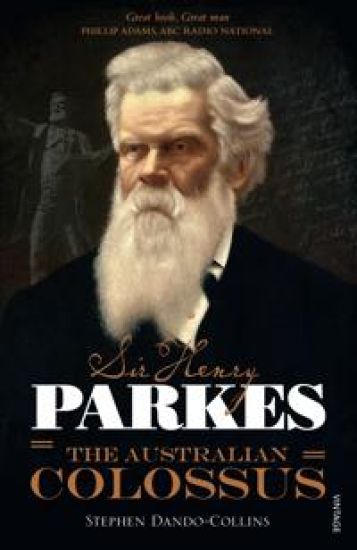
Sir Henry Parkes Father of Federation, Premier of NSW, Statesman, Visionary, Political Leader, Poet, Humanist May 27, 2015 brings the 200th anniversary of the birth of Sir Henry Parkes. After he died, the London Times described him as a colonial colossus.
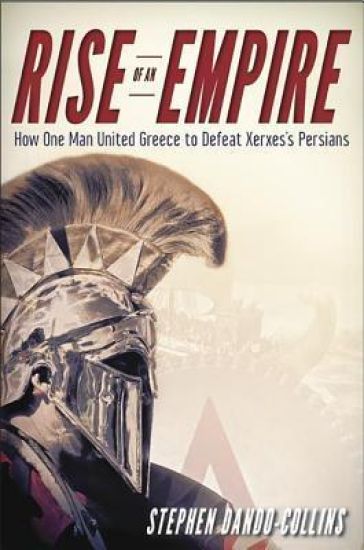
The true story behind the events in 300: Rise of an Empire, the sequel to Zack Snyder's 300The action-filled movie 300 focused on Ancient Greece's epic battle of Thermopylae, in which King Leonidas led 300 Spartans into battle against Xerxes and his million-strong Persian forces. In the sequel, 300: Rise of an Empire, the action moves to the sea, covering ten years starting with the Battle of Marathon and ending with naval engagement the Battle of Artemisium, which occurred the same day as Thermopylae.Rise of an Empire tells the story of the real men and events depicted in the movie, focusing on the Athenian general Themistocles, one of the world's greatest warriors. He became warlord of Greece, built their navy and, by uniting Greece to defeat Xerxes' fleet, enabled what we call western civilization. Packed with vivid detail, clashes of arms and ships, blood and glory, Rise of an Empire tells a story even bigger than the big screen could contain. Both an essential read for fans of the 300 movies and the Frank Miller graphic novels they're based on An insightful exploration of the leaders who feature in the film, their backgrounds, motivations, command decisions, struggles, victories and defeats, from the Battle of Marathon through the Battles of Artemisium and Salamis: Xerxes, the Persian king determined to succeed where his father failed, and Themistocles, overcoming monumental hurdles to turn Athens into Ancient Greece's greatest sea power and leading city-state of the ageA gripping narrative of the real-life naval battles of the first and second Persian invasions of Greece, with fascinating detail about the ships, the warriors and the tactics
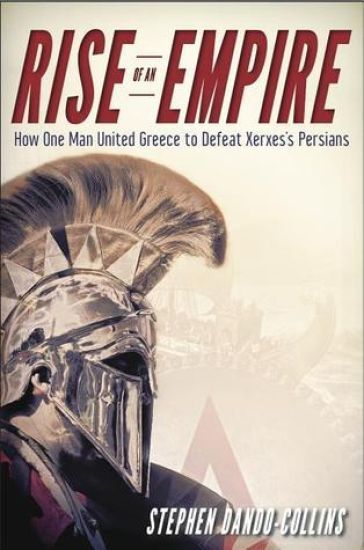
The true story behind the events in 300: Rise of an Empire, the sequel to Zack Snyder's 300The action-filled movie 300 focused on Ancient Greece's epic battle of Thermopylae, in which King Leonidas led 300 Spartans into battle against Xerxes and his million-strong Persian forces. In the sequel, 300: Rise of an Empire, the action moves to the sea, covering ten years starting with the Battle of Marathon and ending with naval engagement the Battle of Artemisium, which occurred the same day as Thermopylae.Rise of an Empire tells the story of the real men and events depicted in the movie, focusing on the Athenian general Themistocles, one of the world's greatest warriors. He became warlord of Greece, built their navy and, by uniting Greece to defeat Xerxes' fleet, enabled what we call western civilization. Packed with vivid detail, clashes of arms and ships, blood and glory, Rise of an Empire tells a story even bigger than the big screen could contain. Both an essential read for fans of the 300 movies and the Frank Miller graphic novels they're based on An insightful exploration of the leaders who feature in the film, their backgrounds, motivations, command decisions, struggles, victories and defeats, from the Battle of Marathon through the Battles of Artemisium and Salamis: Xerxes, the Persian king determined to succeed where his father failed, and Themistocles, overcoming monumental hurdles to turn Athens into Ancient Greece's greatest sea power and leading city-state of the ageA gripping narrative of the real-life naval battles of the first and second Persian invasions of Greece, with fascinating detail about the ships, the warriors and the tactics
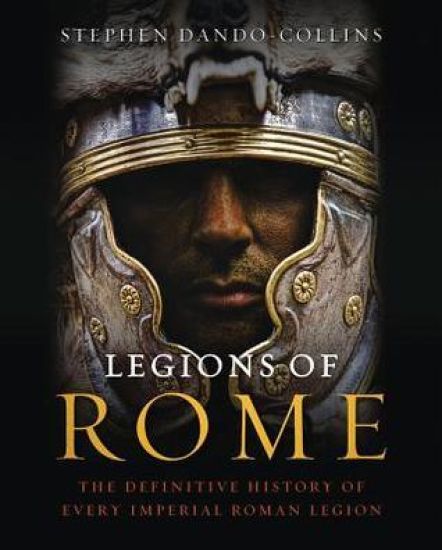
Legions of Rome: The Definitive History of Every Imperial Roman Legion
Stephen Dando-Collins
Thomas Dunne Books
2012
sidottu
The complete history of every Imperial Roman legion and what it achieved as a fighting force, by an award-winning historian In this landmark publication, Stephen Dando-Collins does what no other author has ever attempted to do: provide a complete history of every Imperial Roman legion. Based on thirty years of meticulous research, he covers every legion of Rome in rich detail. In the first part of the book, the author provides a detailed account of what the legionaries wore and ate, what camp life was like, what they were paid, and how they were motivated and punished. Part two examines the histories of all the legions that served Rome for three hundred years starting in 30 BC. The book's final section is a sweeping chronological survey of the campaigns in which the armies were involved, told from the point of view of the legions. Featuring more than 150 maps, photographs, diagrams and battle plans, Legions of Rome is an essential read for ancient history enthusiasts, military history experts and general readers alike.