Kirjojen hintavertailu. Mukana 12 290 406 kirjaa ja 12 kauppaa.

Kirjailija

Stephen Frosh

Kirjat ja teokset yhdessä paikassa: 29 kirjaa, julkaisuja vuosilta 1991-2026, suosituimpien joukossa Antisemitism and Racism. Vertaile teosten hintoja ja tarkista saatavuus suomalaisista kirjakaupoista.

29 kirjaa

Kirjojen julkaisuhaarukka 1991-2026.

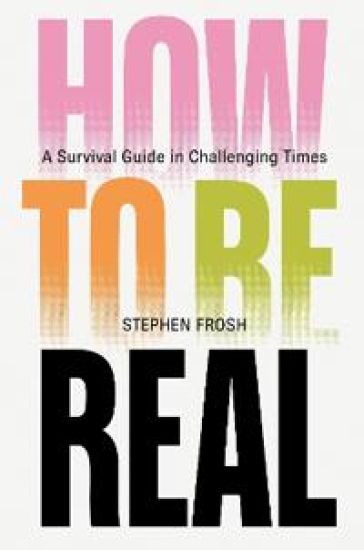
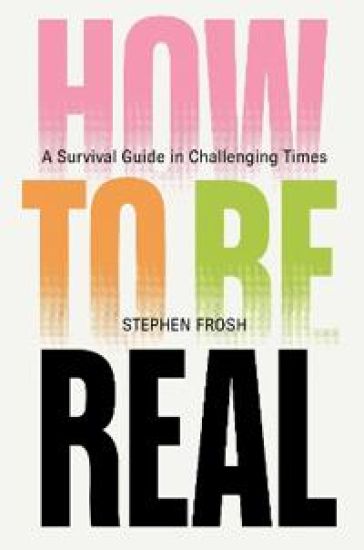
How to be Real

How to be Real

Stephen Frosh

Verso Books
2026
nidottu
In How to Be Real, leading psychosocial thinker Stephen Frosh tackles one of our most urgent questions: how can we thrive in a world so troubling and confusing? Drawing on thinkers such as Freud, Winnicott and Klein, Frosh argues that we must look to what connects us. Authenticity depends on the quality of our human relationships. Consequently, the question of 'how to be real' has political as well as psychological and ethical implications. By exploring childhood and the development of the self, the whys and wherefores behind our defences against reality, and the meaning of hate, Frosh shows how we can turn the ghosts that trouble us into ancestors that enrich our lives. We must be brave enough to seek solidarity with others and, finally, to find the humanity in death. How to Be Real is a bold and necessary guide to finding your radical self in difficult times.
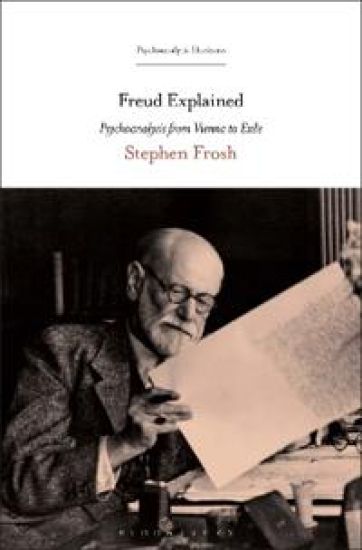
Freud Explained

Freud Explained

Stephen Frosh

BLOOMSBURY PUBLISHING PLC
2026
sidottu
An engaging biographical introduction to Sigmund Freud, contextualizing the evolution of his theories within the vibrant and tumultuous climate of early-20th-century Vienna. Freud Explained presents Freud’s core ideas as they developed over the course of his life, in context with his historical moment. It explains key moments in the progression of Freud’s theories – such as sexual repression, the Oedipus complex, and the interpretation of dreams – weaving these together with discussions of his family history and upbringing. It also highlights important shifts, contradictions, and controversies, particularly relating to seduction theory, hysteria, female sexuality, and homosexual desire. Stephen Frosh describes Freud’s life in Vienna and the patients with whom he worked; looks at the relationships he formed with his teachers and followers; and focuses on how his theories developed in the context of the enormous social and political upheavals of the time – disruptions that eventually prompted Freud to move to England, in order “to die in freedom.” Frosh’s expertise on antisemitism is especially vital to his discussion of the challenges Freud faced, as a Jewish intellectual in Vienna, to the dissemination of his radical ideas. As more people feel comfortable seeking psychotherapy, and as the socio-political world in which we live becomes more emotionally challenging, we all — knowingly or not — draw on Freud’s ideas about unresolved conflicts and traumatic memories as we try to make sense of things. Freud Explained provides a highly researched and very accessible introduction to Freud that speaks to this growing curiosity about what makes us feel and act the way we do.
Freud Explained

Freud Explained

Stephen Frosh

BLOOMSBURY PUBLISHING PLC
2026
nidottu
An engaging biographical introduction to Sigmund Freud, contextualizing the evolution of his theories within the vibrant and tumultuous climate of early-20th-century Vienna. Freud Explained presents Freud’s core ideas as they developed over the course of his life, in context with his historical moment. It explains key moments in the progression of Freud’s theories – such as sexual repression, the Oedipus complex, and the interpretation of dreams – weaving these together with discussions of his family history and upbringing. It also highlights important shifts, contradictions, and controversies, particularly relating to seduction theory, hysteria, female sexuality, and homosexual desire. Stephen Frosh describes Freud’s life in Vienna and the patients with whom he worked; looks at the relationships he formed with his teachers and followers; and focuses on how his theories developed in the context of the enormous social and political upheavals of the time – disruptions that eventually prompted Freud to move to England, in order “to die in freedom.” Frosh’s expertise on antisemitism is especially vital to his discussion of the challenges Freud faced, as a Jewish intellectual in Vienna, to the dissemination of his radical ideas. As more people feel comfortable seeking psychotherapy, and as the socio-political world in which we live becomes more emotionally challenging, we all — knowingly or not — draw on Freud’s ideas about unresolved conflicts and traumatic memories as we try to make sense of things. Freud Explained provides a highly researched and very accessible introduction to Freud that speaks to this growing curiosity about what makes us feel and act the way we do.
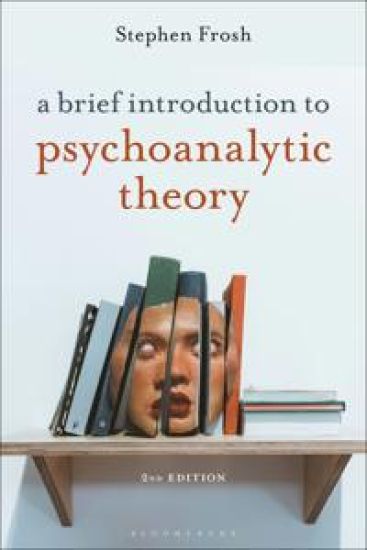
A Brief Introduction to Psychoanalytic Theory

A Brief Introduction to Psychoanalytic Theory

Stephen Frosh

BLOOMSBURY PUBLISHING PLC
2026
sidottu
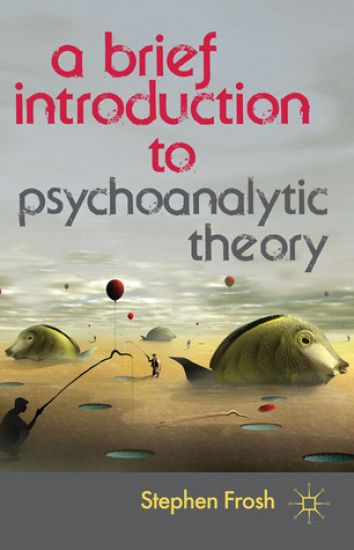
This introduction to psychoanalytic theory explores the birth of psychoanalysis and gives an account of fundamental psychoanalytic concepts. This updated edition:- Explores the birth of psychoanalysis, taking the reader step by step through Freud's original ideas and how they evolved- Gives an account of fundamental psychoanalytic concepts- Discusses the different schools of psychoanalysis that have emerged since Freud- Illustrates the wider applications of psychoanalytic ideas across film, literature and politics.Psychoanalytic theory remains hugely important for understanding the mind and human behaviour. It provides a rich source of ideas for therapeutic practice while offering dramatic insights for the study of culture and society. Written by an authority on psychoanalysis, this book is essential reading for trainees in counselling and psychotherapy, as well as for students across the arts, humanities and social sciences. The 2nd edition includes up-to-date material and develops the book’s coverage of social and cultural implications of psychoanalysis.
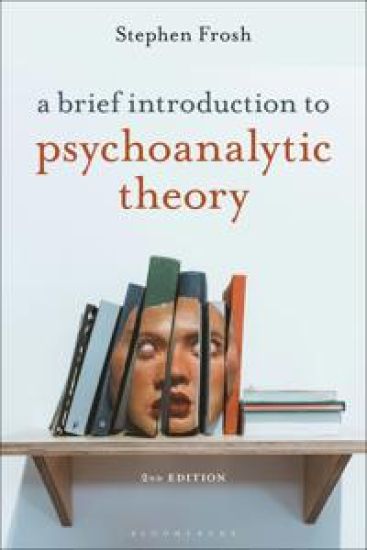
A Brief Introduction to Psychoanalytic Theory

A Brief Introduction to Psychoanalytic Theory

Stephen Frosh

BLOOMSBURY PUBLISHING PLC
2026
nidottu
This introduction to psychoanalytic theory explores the birth of psychoanalysis and gives an account of fundamental psychoanalytic concepts. This updated edition:- Explores the birth of psychoanalysis, taking the reader step by step through Freud's original ideas and how they evolved- Gives an account of fundamental psychoanalytic concepts- Discusses the different schools of psychoanalysis that have emerged since Freud- Illustrates the wider applications of psychoanalytic ideas across film, literature and politics.Psychoanalytic theory remains hugely important for understanding the mind and human behaviour. It provides a rich source of ideas for therapeutic practice while offering dramatic insights for the study of culture and society. Written by an authority on psychoanalysis, this book is essential reading for trainees in counselling and psychotherapy, as well as for students across the arts, humanities and social sciences. The 2nd edition includes up-to-date material and develops the book’s coverage of social and cultural implications of psychoanalysis.
How to be Real

How to be Real

Stephen Frosh

Verso Books
2025
sidottu
How to be Real tackles one of the most urgent questions: how can we thrive in a world that is so troubling and confusing? We are constantly being told that we must be 'authentic' and 'real' whilst our sense of reality is being undermined, fragmenting our experiences and dividing people from each other. In the face of such dilemmas Frosh argues that gaining a sense of reality requires us to face the complexity of modern life. We must learn to think more clearly and bravely about it, and to allow ourselves to develop a depth of feeling that may often be uncomfortable or even distressing to live with. By working alongside thinkers such as Freud, Winnicott and Klein, Frosh argues that we must look to what connects us and appreciate how authenticity depends on the quality of relationships we form with each other. Consequently, 'how to be real' has political as well as psychological and ethical implications. It is out of such disruptive complexity that human depth and relational integrity arise. Frosh pursues this through an exploration of childhood and the development of the self, of why and how we put up defences against reality, and of what hate means. The book describes how we might turn the ghosts that trouble us into ancestors that enrich our lives. It asks us to be brave enough to seek solidarity with others and, finally, to find the humanity in death.
Antisemitism and Racism

Antisemitism and Racism

Stephen Frosh

BLOOMSBURY PUBLISHING PLC
2023
sidottu
Psychoanalysis has not had a comfortable history in relation to "race" and racism, despite its origins in the Jewish lives of Freud and its other first-generation progenitors and the insistent pressure of antisemitism upon it. Indeed, the failure to fully address racism is a running sore in the psychoanalytic movement. This has begun to be remedied in recent years, but it is still the case that psychoanalysis struggles to incorporate antiracist perspectives and that this might be a reason why it has engaged relatively poorly with Black communities. Psychoanalysis may have been a "Jewish science" in a positive sense, but it has not fully leveraged this to become a truly antiracist one. In Antisemitism and Racism, Stephen Frosh, a leading figure in psychoanalytic studies, provides a psychoanalytically-informed examination of the relations between antisemitism and antiblack racism. Frosh's starting point is a claim that the Jewish origins and implications of psychoanalysis fuel its capacity to interrogate racism of all kinds. Indeed, the shared experience of exposure to different kinds of racism raises prospects for renewed alliances between Jewish and Black communities. Antisemitism and Racism ends with a chapter that asks psychoanalysis itself to respond to some of the challenges emerging from the Black Lives Matter and decolonial movements. At a time when division and prejudice are on the rise to an alarming degree, it is imperative that we examine, understand, and discuss the psychological roots of racism.
Antisemitism and Racism

Antisemitism and Racism

Stephen Frosh

BLOOMSBURY PUBLISHING PLC
2023
nidottu
Psychoanalysis has not had a comfortable history in relation to "race" and racism, despite its origins in the Jewish lives of Freud and its other first-generation progenitors and the insistent pressure of antisemitism upon it. Indeed, the failure to fully address racism is a running sore in the psychoanalytic movement. This has begun to be remedied in recent years, but it is still the case that psychoanalysis struggles to incorporate antiracist perspectives and that this might be a reason why it has engaged relatively poorly with Black communities. Psychoanalysis may have been a "Jewish science" in a positive sense, but it has not fully leveraged this to become a truly antiracist one. In Antisemitism and Racism, Stephen Frosh, a leading figure in psychoanalytic studies, provides a psychoanalytically-informed examination of the relations between antisemitism and antiblack racism. Frosh's starting point is a claim that the Jewish origins and implications of psychoanalysis fuel its capacity to interrogate racism of all kinds. Indeed, the shared experience of exposure to different kinds of racism raises prospects for renewed alliances between Jewish and Black communities. Antisemitism and Racism ends with a chapter that asks psychoanalysis itself to respond to some of the challenges emerging from the Black Lives Matter and decolonial movements. At a time when division and prejudice are on the rise to an alarming degree, it is imperative that we examine, understand, and discuss the psychological roots of racism.
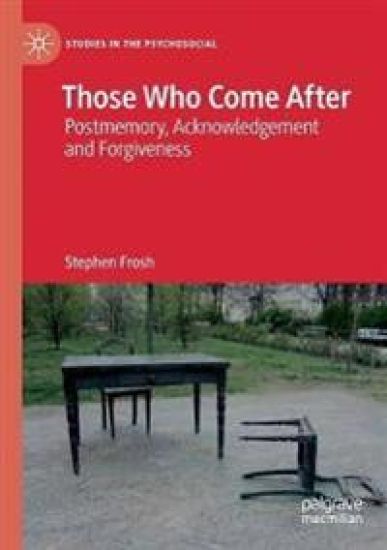
Those Who Come After

Those Who Come After

Stephen Frosh

Springer Nature Switzerland AG
2019
sidottu
This book explores the legacies of suffering in relation to ‘those who come after’ – the descendants of victims, survivors and perpetrators of traumatic events. It draws on recent discussions of ‘postmemory’ and ‘haunting’ that are concerned mainly with the transgenerational impact of personal and social trauma. It examines how we are connected to past events for which we have no direct responsibility yet in which we might in some way be ‘implicated’ and it asks how we might attain a position of active witnessing that helps resolve the suffering of others. Those Who Come After includes vivid accounts of witnessing from a variety of perspectives, ranging from Biblical and Jewish stories to contemporary art and music. The book draws on psychosocial studies and psychoanalysis to help make sense of this material and to develop an understanding of acknowledgment and responsibility that is both ethical and emancipatory. Those Who Come After will be of great interest to readers in psychosocial studies and psychoanalysis and to all who are concerned with the question of how to put past suffering to rest.
Those Who Come After

Those Who Come After

Stephen Frosh

Springer Nature Switzerland AG
2019
nidottu
This book explores the legacies of suffering in relation to ‘those who come after’ – the descendants of victims, survivors and perpetrators of traumatic events. It draws on recent discussions of ‘postmemory’ and ‘haunting’ that are concerned mainly with the transgenerational impact of personal and social trauma. It examines how we are connected to past events for which we have no direct responsibility yet in which we might in some way be ‘implicated’ and it asks how we might attain a position of active witnessing that helps resolve the suffering of others. Those Who Come After includes vivid accounts of witnessing from a variety of perspectives, ranging from Biblical and Jewish stories to contemporary art and music. The book draws on psychosocial studies and psychoanalysis to help make sense of this material and to develop an understanding of acknowledgment and responsibility that is both ethical and emancipatory. Those Who Come After will be of great interest to readers in psychosocial studies and psychoanalysis and to all who are concerned with the question of how to put past suffering to rest.
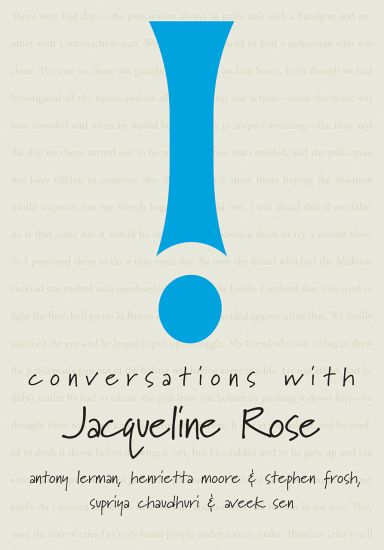
Conversations with Jacqueline Rose

Conversations with Jacqueline Rose

Supriya Chaudhuri; Aveek Sen; Rosemary Bechler; Henrietta L. Moore; Stephen Frosh; Anthony Lerman; Jacqueline Rose

Seagull Books London Ltd
2018
nidottu
In this collection of conversations that were conducted in Calcutta, at the London School of Economics, through Jewish Book Week, and on the radical website openDemocracy, internationally renowned Jewish scholar Jacqueline Rose explores the debates that have fueled her writing and thinking over three decades. Drawn out by her interlocutors, Rose discusses the difference between political and sexual identity and inquires whether psychoanalysis can be considered a radical form of thought that can be used fruitfully in dialogue about political struggle. Most significantly—since each of these conversations were sparked by her recent and controversial writing on Zionism, Israel, and Palestine—Rose reflects on the role of Jewish dissent in our time. In these conversations, Rose appears courageous, passionate, ethical, and never afraid to engage politically on issues that are of human concern in the ongoing Middle and Near East crisis.
A Brief Introduction to Psychoanalytic Theory
Psychoanalytic theory remains hugely influential to our understanding of the mind and human behaviour. It provides a rich source of ideas for therapeutic practice, while offering dramatic insights for the study of culture and society. This comprehensive review of the field:- Explores the birth of psychoanalysis, taking the reader step by step through Freud's original ideas and how they developed and evolved- Provides a clear account of fundamental psychoanalytic concepts- Discusses the different schools of psychoanalysis that have emerged since Freud- Illustrates the wider applications of psychoanalytic ideas across film, literature and politicsWritten by a highly respected authority on psychoanalysis, this book is essential reading for trainees in counselling and psychotherapy, as well as for students across the arts, humanities and social sciences.
A Brief Introduction to Psychoanalytic Theory
Psychoanalytic theory remains hugely influential to our understanding of the mind and human behaviour. It provides a rich source of ideas for therapeutic practice, while offering dramatic insights for the study of culture and society. This comprehensive review of the field:- Explores the birth of psychoanalysis, taking the reader step by step through Freud's original ideas and how they developed and evolved- Provides a clear account of fundamental psychoanalytic concepts- Discusses the different schools of psychoanalysis that have emerged since Freud- Illustrates the wider applications of psychoanalytic ideas across film, literature and politicsWritten by a highly respected authority on psychoanalysis, this book is essential reading for trainees in counselling and psychotherapy, as well as for students across the arts, humanities and social sciences.
Feelings

Feelings

Stephen Frosh

Routledge
2011
sidottu
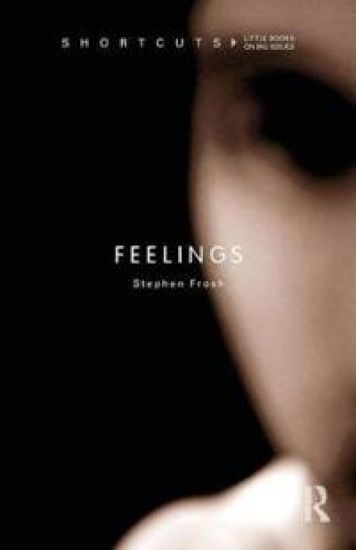
Everyone talks about their feelings, but what exactly are they? What are the distinguishing features of feelings, and how do they differ from emotions and affects? How do our feelings influence the kinds of people we are, and the sorts of communities and societies in which we live? In this wonderful short book, acclaimed author Stephen Frosh interrogates the terrain of feelings and asks how this ‘hidden’ dimension of the self helps shape our worlds. The book provides an accessible and thought-provoking introduction to the major debates around feelings in the modern world.Feelings is an accessible and engaging resource for students, academics, and indeed anyone with an interest in gaining a better understanding of this fundamental area of life.
Feelings

Feelings

Stephen Frosh

Routledge
2011
nidottu
Everyone talks about their feelings, but what exactly are they? What are the distinguishing features of feelings, and how do they differ from emotions and affects? How do our feelings influence the kinds of people we are, and the sorts of communities and societies in which we live? In this wonderful short book, acclaimed author Stephen Frosh interrogates the terrain of feelings and asks how this ‘hidden’ dimension of the self helps shape our worlds. The book provides an accessible and thought-provoking introduction to the major debates around feelings in the modern world.Feelings is an accessible and engaging resource for students, academics, and indeed anyone with an interest in gaining a better understanding of this fundamental area of life.
Psychoanalysis Outside the Clinic

Psychoanalysis Outside the Clinic

Stephen Frosh

Red Globe Press
2010
sidottu
More than a hundred years after its founding, psychoanalysis remains influential and controversial far outside its core sphere of activity in the 'clinic'. In a wide range of cultural and social disciplines, psychoanalytic ideas are drawn on to explain human subjectivity and its relationship with the social world. This lucid and engaging book explores these interventions through detailed examination of how psychoanalytic ideas apply in literature, politics, social psychology, philosophy and psychosocial studies. The highly-regarded and influential author, Stephen Frosh, shows how psychoanalysis can at times greatly illuminate these fields of study, and how at other times it might misread them. He also asks what psychoanalysis can learn from the disciplines with which it is in dialogue, and particularly how it can retain its own capacity for critical thought. Sophisticated and stimulating, yet accessible and approachable, this important book:• provides a critical exploration that will stimulate further debate about the place of psychoanalysis in intellectual life• develops the newly emerging psychosocial perspective as one that links psychological and social theories in novel ways.Psychoanalysis Outside the Clinic will be of profound interest to students and academics across a wide range of disciplines, particularly those taking courses in social, cultural or political theory at undergraduate or postgraduate level or studying on programmes in Psychoanalytic or Psychosocial Studies.
Psychoanalysis Outside the Clinic

Psychoanalysis Outside the Clinic

Stephen Frosh

Red Globe Press
2010
nidottu
More than a hundred years after its founding, psychoanalysis remains influential and controversial far outside its core sphere of activity in the 'clinic'. In a wide range of cultural and social disciplines, psychoanalytic ideas are drawn on to explain human subjectivity and its relationship with the social world. This lucid and engaging book explores these interventions through detailed examination of how psychoanalytic ideas apply in literature, politics, social psychology, philosophy and psychosocial studies. The highly-regarded and influential author, Stephen Frosh, shows how psychoanalysis can at times greatly illuminate these fields of study, and how at other times it might misread them. He also asks what psychoanalysis can learn from the disciplines with which it is in dialogue, and particularly how it can retain its own capacity for critical thought. Sophisticated and stimulating, yet accessible and approachable, this important book:• provides a critical exploration that will stimulate further debate about the place of psychoanalysis in intellectual life• develops the newly emerging psychosocial perspective as one that links psychological and social theories in novel ways.Psychoanalysis Outside the Clinic will be of profound interest to students and academics across a wide range of disciplines, particularly those taking courses in social, cultural or political theory at undergraduate or postgraduate level or studying on programmes in Psychoanalytic or Psychosocial Studies.