Kirjojen hintavertailu. Mukana 12 390 323 kirjaa ja 12 kauppaa.

Kirjailija

Stephen L. Bishop

Kirjat ja teokset yhdessä paikassa: 3 kirjaa, julkaisuja vuosilta 2008-2024, suosituimpien joukossa Scripting Shame in African Literature. Vertaile teosten hintoja ja tarkista saatavuus suomalaisista kirjakaupoista.

3 kirjaa

Kirjojen julkaisuhaarukka 2008-2024.

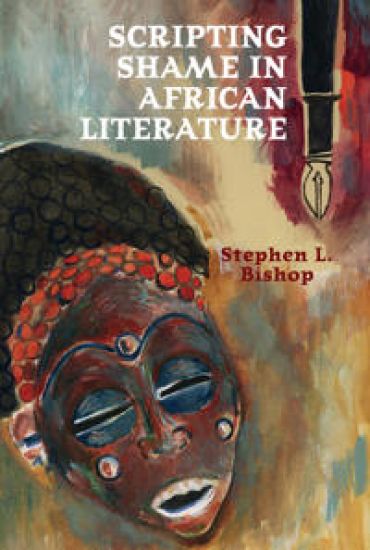
Scripting Shame in African Literature

Scripting Shame in African Literature

Stephen L. Bishop

LIVERPOOL UNIVERSITY PRESS
2024
nidottu
Shame is one of the most frequent underlying emotions expressed throughout sub-Saharan African literature, yet studies of such literature almost universally ignore the topic in favour of a focus on the struggle for independence and the postcolonial situation, encompassing a search for individual, national, and ethnic identities and questions of corruption, changing gender roles, and conflicts between so-called tradition and modernity. Shame, however, is not antithetical to these investigations and, in fact, the persistent trope of shame undergirds many of them. This book locates these expressions of shame in sub-Saharan African literature and shows how its diverse literary representations underscore shame’s function as a fulcrum in the mutual constitution of subject and community on the continent. Though shame research is dominated by Western definitions and theories, this study emphasizes the centrality of African conceptions of shame in ways that notions of Western subjectivity dismiss or cannot capture.
Scripting Shame in African Literature

Scripting Shame in African Literature

Stephen L. Bishop

Liverpool University Press
2021
sidottu
Shame is one of the most frequent underlying emotions expressed throughout sub-Saharan African literature, yet studies of such literature almost universally ignore the topic in favour of a focus on the struggle for independence and the postcolonial situation, encompassing a search for individual, national, and ethnic identities and questions of corruption, changing gender roles, and conflicts between so-called tradition and modernity. Shame, however, is not antithetical to these investigations and, in fact, the persistent trope of shame undergirds many of them. This book locates these expressions of shame in sub-Saharan African literature and shows how its diverse literary representations underscore shame’s function as a fulcrum in the mutual constitution of subject and community on the continent. Though shame research is dominated by Western definitions and theories, this study emphasizes the centrality of African conceptions of shame in ways that notions of Western subjectivity dismiss or cannot capture.
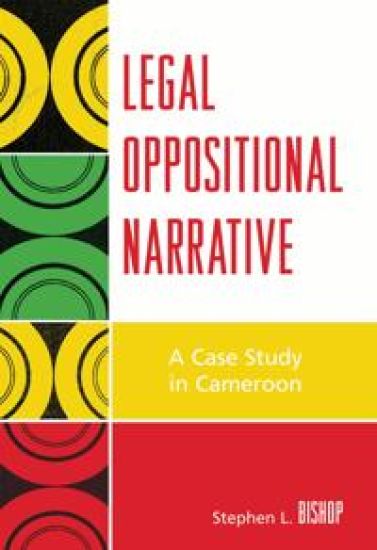
Legal Oppositional Narrative

Legal Oppositional Narrative

Stephen L. Bishop

Lexington Books
2008
sidottu
This book examines the possibilities of opposition to government-supported, dominant social orders through legal writing using post-Independence (1960-61) Cameroon as its example. 'Legal writing' in this case encompasses traditional fictional works such as novels, plays, and short stories that deal with legal themes, settings, and language, but also works that are less-often considered as traditional narratives such as legal case decisions, textbooks, and articles. An investigation of such Cameroonian texts demonstrates the potential uses and effectiveness of oppositional narrative, as defined by such authors as Ross Chambers and Michel de Certeau, within postcolonial legal systems in order to influence a different reading of the legal and social order. The investigation treats both narratives of resistance and oppositionality, and concludes that oppositional literary and legal storytelling offers more hope for subverting and changing the dominant social discourse than more conventional means of legal resistance. Although the two approaches overlap, oppositional legal narratives offer greater opportunity for fostering lasting social justice than legal narratives of resistance, especially within the legal system of Cameroon, which is both unduly influenced by an oppressive government and singular in its organization. This system is split between indigenous legal traditions, Francophone civil code law, Anglophone common law, and thus it presents a complex, pluralistic legal and social atmosphere that is unsuitable for dictatorial, revolutionary change while at the same time offering potential discursive space for oppositional writing and reading.