Kirjojen hintavertailu. Mukana 12 595 353 kirjaa ja 12 kauppaa.

Kirjailija

Stephen L Buchmann

Kirjat ja teokset yhdessä paikassa: 3 kirjaa, julkaisuja vuosilta 1997-2024, suosituimpien joukossa The Forgotten Pollinators. Vertaile teosten hintoja ja tarkista saatavuus suomalaisista kirjakaupoista.

Mukana myös kirjoitusasut: Stephen L. Buchmann

3 kirjaa

Kirjojen julkaisuhaarukka 1997-2024.

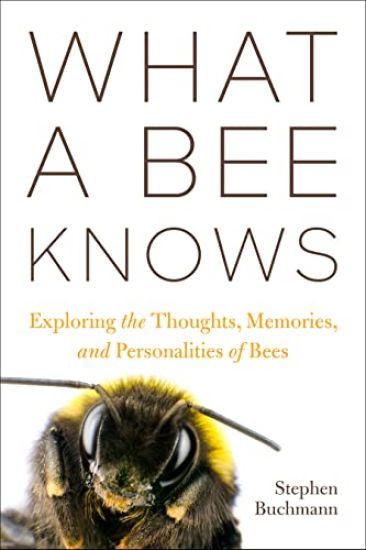
What a Bee Knows

What a Bee Knows

Stephen L Buchmann

ISLAND PRESS
2024
pokkari
For many of us, the buzzing of a bee elicits panic. But the next time you hear that low droning sound, look closer: the beehas navigated to this particular spot for a reason using a fascinating set of tools. She may be using her sensitive olfactoryorgans, which provide a 3D scent map of her surroundings. She may be following visual landmarks or instructionsrelayed by a hive-mate. She may even be tracking electrostatic traces left on flowers by other bees. What a Bee Knows:Exploring the Thoughts, Memories, and Personalities of Bees invites us to follow bees’ mysterious paths and experience theiralien world.Although their brains are incredibly small—just one million neurons compared to humans’ 100 billion—bees haveremarkable abilities to navigate, learn, communicate, and remember. In What a Bee Knows, entomologist StephenBuchmann explores a bee’s way of seeing the world and introduces the scientists who make the journey possible. We travel into the field and to the laboratories of noted bee biologists who have spent their careers digging into the questionsmost of us never thought to ask (for example: Do bees dream? And if so, why?). With each discovery, Buchmann’sinsatiable curiosity and sense of wonder is infectious.What a Bee Knows will challenge your idea of a bee’s place in the world—and perhaps our own. This lively journey into abee’s mind reminds us that the world is more complex than our senses can tell us.
What a Bee Knows

What a Bee Knows

Stephen L Buchmann

ISLAND PRESS
2023
sidottu
For many of us, the buzzing of a bee elicits panic. But the next time you hear that low droning sound, look closer: the bee has navigated to this particular spot for a reason using a fascinating set of tools. She may be using her sensitive olfactory organs, which provide a 3D scent map of her surroundings. She may be following visual landmarks or instructions relayed by a hive-mate. She may even be tracking an electrostatic path left by other bees. What a Bee Knows: Exploring the Thoughts, Memories, and Personalities of Bees invites us to follow bees’ mysterious paths and experience their alien world. Although their brains are incredibly small - just one million neurons compared to humans’ 100 billion - bees have remarkable abilities to navigate, learn, communicate, and remember. In What a Bee Knows, entomologist Stephen Buchmann explores a bee’s way of seeing the world and introduces the scientists who make the journey possible. We travel into the field and to the laboratories of noted bee biologists who have spent their careers digging into the questions most of us never thought to ask (for example: Do bees dream? And if so, why?). With each discovery, Buchmann’s insatiable curiosity and sense of wonder is infectious. What a Bee Knows will challenge your idea of a bee’s place in the world - and perhaps our own. This lively journey into a bee’s mind reminds us that the world is more complex than our senses can tell us.
The Forgotten Pollinators

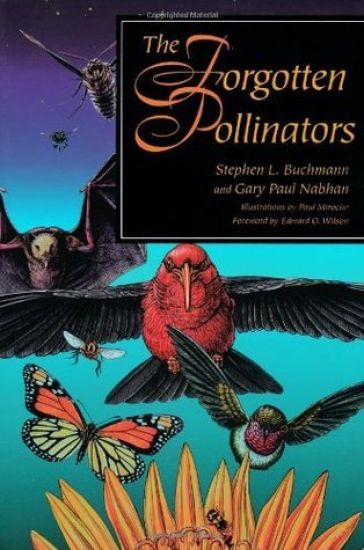
The Forgotten Pollinators

Stephen L. Buchmann; Gary Paul Nabhan

ISLAND PRESS
1997
nidottu
Consider this: Without interaction between animals and flowering plants, the seeds and fruits that make up nearly eighty percent of the human diet would not exist.In The Forgotten Pollinators, Stephen L. Buchmann, one of the world's leading authorities on bees and pollination, and Gary Paul Nabhan, award-winning writer and renowned crop ecologist, explore the vital but little-appreciated relationship between plants and the animals they depend on for reproduction -- bees, beetles, butterflies, hummingbirds, moths, bats, and countless other animals, some widely recognized and other almost unknown.Scenes from around the globe -- examining island flora and fauna on the Galapagos, counting bees in the Panamanian rain forest, witnessing an ancient honey-hunting ritual in Malaysia -- bring to life the hidden relationships between plants and animals, and demonstrate the ways in which human society affects and is affected by those relationships. Buchmann and Nabhan combine vignettes from the field with expository discussions of ecology, botany, and crop science to present a lively and fascinating account of the ecological and cultural context of plant-pollinator relationships.More than any other natural process, plant-pollinator relationships offer vivid examples of the connections between endangered species and threatened habitats. The authors explain how human-induced changes in pollinator populations -- caused by overuse of chemical pesticides, unbridled development, and conversion of natural areas into monocultural cropland-can have a ripple effect on disparate species, ultimately leading to a "cascade of linked extinctions."