Kirjailija
Stephen N. Williams
Kirjat ja teokset yhdessä paikassa: 9 kirjaa, julkaisuja vuosilta 2000-2025, suosituimpien joukossa One for the Other. Vertaile teosten hintoja ja tarkista saatavuus suomalaisista kirjakaupoista.
Mukana myös kirjoitusasut: Stephen N Williams
9 kirjaa
Kirjojen julkaisuhaarukka 2000-2025.
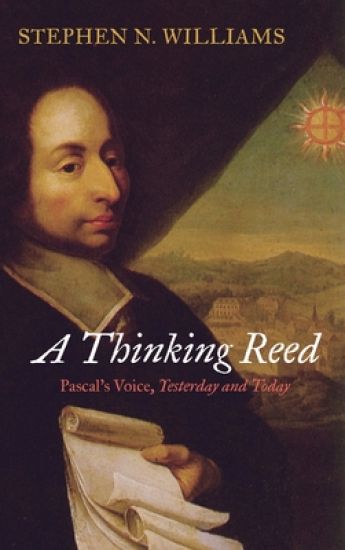
Blaise Pascal (1623-62) was a provocative and important thinker. Both the range and the influence of his work is immense. His Pensees ("Thoughts"), unfinished and composed of fragments, is widely regarded as a classic of Christian apologetics. In this volume, the reader is introduced to this work, with a view to both describing what Pascal says and assessing its present value. After introducing the man and his life, Pascal's views on reason and the heart, and on human wretchedness and greatness, are discussed before asking in a final chapter, "Would you bet on God?" An appendix treats Pascal and modernity. Four hundred years on, Pascal's voice can still be heard. Four hundred years on, we still need to heed it. Pascal does not simply speak from the mind to the mind. He speaks as a person to persons.
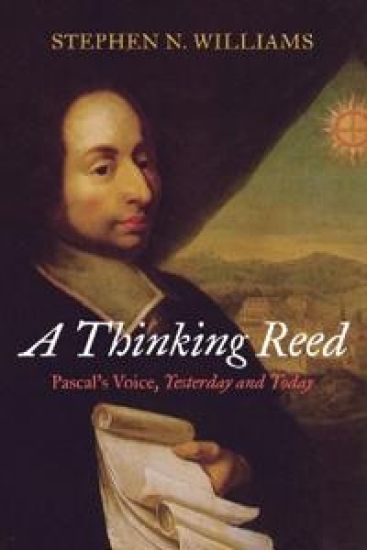
Blaise Pascal (1623-62) was a provocative and important thinker. Both the range and the influence of his work is immense. His Pensees ("Thoughts"), unfinished and composed of fragments, is widely regarded as a classic of Christian apologetics. In this volume, the reader is introduced to this work, with a view to both describing what Pascal says and assessing its present value. After introducing the man and his life, Pascal's views on reason and the heart, and on human wretchedness and greatness, are discussed before asking in a final chapter, "Would you bet on God?" An appendix treats Pascal and modernity. Four hundred years on, Pascal's voice can still be heard. Four hundred years on, we still need to heed it. Pascal does not simply speak from the mind to the mind. He speaks as a person to persons.
How you can support survivors with the hope of Christ. Chances are that you know someone who has experienced trauma--or you've experienced it yourself. So how can you respond wisely, carefully, and helpfully? In How Can We Help Victims of Trauma and Abuse?, Stephen N. Williams and Susan L. Williams draw on their expertise in theology and counseling to equip you. Ignorant helpfulness can be damaging; a truly fruitful response must be informed, not just well--intentioned. Before we can aid in recovery, we must gain a deeper understanding of trauma's emotional and spiritual implications. Moreover, we need a Christian perspective on trauma. Discover how Christ is the light and life that defeats darkness and death. The Questions for Restless Minds series applies God's word to today's issues. Each short book faces tough questions honestly and clearly, so you can think wisely, act with conviction, and become more like Christ.

Few issues in Christian theology have sparked as much debate over the centuries as the question of election. In this book Stephen Williams offers a coherent account of the doctrine of election and argues that we should diminish the role of system in Christian theology.After discussing the biblical teaching on election, Williams turns to questions of theological method and substance. He maintains that the subject of predestination has to be considered in a wider biblical context than it often is and that it is a mistake to expect election to be understood within a comprehensive systematic framework. What matters is the relation of particular truths to the particulars of life, not the systematic relation of truths to each other.Williams draws on and applies the insights of nineteenth- century evangelical Anglican leader Charles Simeon throughout and concludes his study with a long appendix on Karl Barth's view of election.

The book of Joshua is often troubling -- what should we make of the fact that the violent occupation of land is not simply presented, but celebrated? How can we reconcile that with the key role the book plays in the biblical drama of salvation? What should we make of the God of Joshua? / In this volume Gordon McConville and Stephen Williams interpret Joshua in relation to Christian theology, addressing such questions and placing the book in its proper place in the canonical whole. McConville deals specifically with the commentary and exegesis of the text. Williams then moves in to focus on issues of interpretation. He addresses key theological themes, such as land, covenant, law, miracle, judgment (with the problem of genocide), and idolatry. / The authors posit that the theological topics engaged in Joshua are not limited to the horizons of the author and first readers of the book, but that Joshua is part of a much larger testimony which concerns readers yet today.
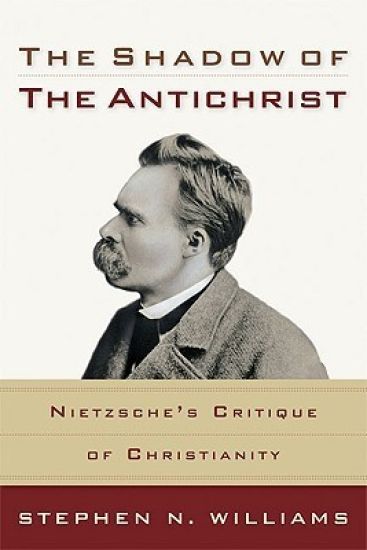
The Shadow of the Antichrist – Nietzsche`s Critique of Christianity
Stephen N. Williams
Baker Academic, Div of Baker Publishing Group
2006
nidottu
There have been many recent studies of postmodernism by Christian writers, but few have considered the continuing influence of Friedrich Nietzsche, the nineteenth-century German philosopher who was sharply critical of orthodox religion. Stephen Williams fills that gap with this study of Nietzsche and his continuing importance.In this book, winner of a Christianity Today 2007 Book Award, Williams is particularly concerned with Nietzsche's critique of Christianity. Nietzsche's negative account of religion has cast a long shadow over twentieth-century philosophy, and Williams suggests that thoughtful Christians need to consider his case carefully.Christian students of intellectual history and pastors will find this study a compelling account of an important strand of philosophical theology that has had great influence on contemporary culture.