Kirjojen hintavertailu. Mukana 12 595 353 kirjaa ja 12 kauppaa.

Kirjailija

Stephen Pattemore

Kirjat ja teokset yhdessä paikassa: 2 kirjaa, julkaisuja vuosilta 2004-2009, suosituimpien joukossa Debating Darwin. Vertaile teosten hintoja ja tarkista saatavuus suomalaisista kirjakaupoista.

2 kirjaa

Kirjojen julkaisuhaarukka 2004-2009.

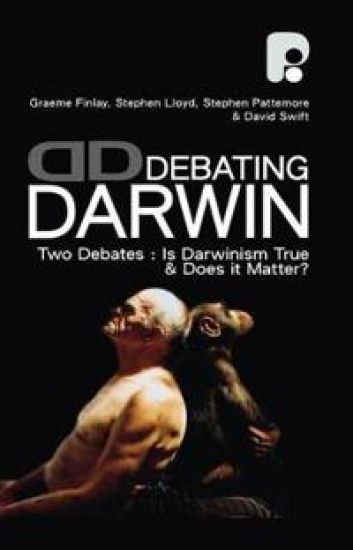
Debating Darwin

Debating Darwin

Graeme Finlay; Stephen Lloyd; Stephen Pattemore; David Swift

Paternoster Press
2009
nidottu
Is Darwin a tool of Satan or a voice of reason? 2009 is the 150th anniversary of the publication of The Origin of Species and Christians continue to disagree about whether Darwinism should be baptized into our theology or rejected as a tool of Satan. Debating Darwin:Two Debates-is Darwinism True and Does it Matter? is aimed at Christians on both sides of the debate and hopes to further discussion. In this book two distinct questions are under the microscope 1. Is Darwinism compatible with orthodox Christian faith? 2. Does the scientific evidence support Darwinism? The book begins with a simple explanation of the neo-Darwinian theory of evolution. Stephen Lloyd then opens the first debate by making a theological and biblical case against Darwinism. He is met in battle by Graeme Finlay and Stephen Pattemore who argue that Christian Scripture and theology are compatible with Darwinism. This book will not tell readers what to think but it will inform the more intelligent debate.
The People of God in the Apocalypse

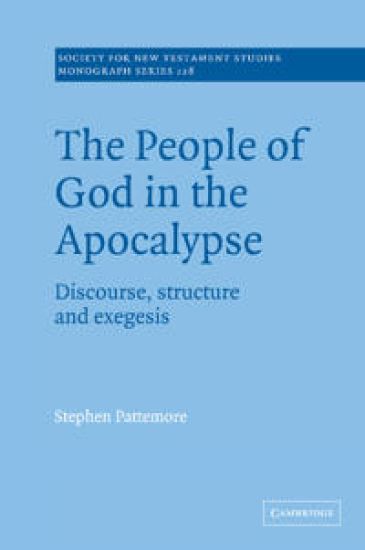
The People of God in the Apocalypse

Stephen Pattemore

Cambridge University Press
2004
sidottu
Stephen Pattemore examines passages within Revelation 4:1–22:21 that depict the people of God as actors in the apocalyptic drama and infers what impact these passages would have had on the self-understanding and behaviour of the original audience of the work. He uses Relevance Theory, a development in the linguistic field of pragmatics, to help understand the text against the background of allusion to other texts. Three important images are traced. The picture of the souls under the altar (6:9–11) is found to govern much of the direction of the text with its call to faithful witness and willingness for martyrdom. Even the militant image of a messianic army (7:1–8, 14:1–5) urges the audience in precisely the same direction. Both images combine in the final image of the bride, the culmination of challenge and hope traced briefly in the New Jerusalem visions.