
Kirjailija
Stephen Scott
Kirjat ja teokset yhdessä paikassa: 12 kirjaa, julkaisuja vuosilta 1990-2025, suosituimpien joukossa Living Without Electricity. Vertaile teosten hintoja ja tarkista saatavuus suomalaisista kirjakaupoista.
12 kirjaa
Kirjojen julkaisuhaarukka 1990-2025.

In a modern world where technology is taking over our lives, could we lead an essential, simple life without electricity? How can we get by without computers, power tools, phones, or even basics such as electric lights and appliances? The answers lie in Amish communities and other Old Order groups in the United States, Canada, and Mexico that have been living lives off the grid while still affording to be self-sufficient for countless years.Living Without Electricity examines the Amish response to technology and shows us why and how they live without inventions other people take for granted. Taking lessons from the Amish, learn how to light a room without electricity, keep warm without centralized heating, get around without a car, communicate without a phone, and others. In addition, take Amish instruction on how to cook and store food, pump water, wash clothes, and even run farms and businesses, all while off the electric grid. Reconsider the basic necessities of your life, and you might decide to orientate yourself toward a self-sufficient life without electricity.
Fostering Changes®: Ein Trainingskurs für Pflegeeltern
Karen Bachmann; Kathy Blackeby; Caroline Bengo; Drew Bigden-Slack; Matt Woolgar; Hilary Lawson; Stephen Scott
Springer-Verlag Berlin and Heidelberg GmbH Co. KG
2025
nidottu
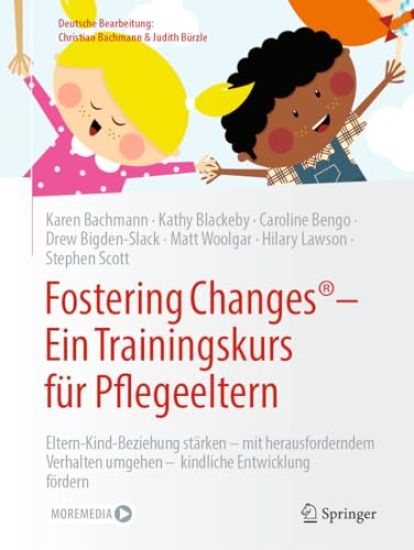
In Deutschland leben etwa 90.000 Kinder und Jugendliche in Pflegefamilien. Viele dieser Kinder und Jugendlichen weisen psychische Störungen, erhebliche Verhaltensauffälligkeiten oder körperliche Einschränkungen auf. Hierdurch können Pflegeeltern schnell an ihre emotionalen und erzieherischen Grenzen kommen; dies führt oft zu einem Abbruch der Platzierung. Ein "Fostering Changes"-Kurs hat zum Ziel, Pflegeeltern die erforderlichen Kenntnisse und erzieherischen Fertigkeiten für den erfolgreichen Verlauf einer Platzierung zu vermitteln.Basierend auf aktuellen Methoden der Erwachsenenbildung vermittelt der Kurs in 12 praxisnahen Einheiten im Gruppensetting Wissen und praktische Fähigkeiten zu Trauma, Bindung und Verhaltensmodifikation. Zu den per Rollenspiel, Impulsvortrag oder Videosequenz vermittelten Themen gehören u.a. Verhaltensanalysen, wirksames Loben, Ich-Botschaften, positive Grenzsetzung sowie Selbstfürsorge.Mehrere Studien konnten dieWirksamkeit des Kurses hinsichtlich der Verminderung von kindlichen Verhaltensauffälligkeiten und Stresserleben der Pflegeeltern sowie einer verbesserten Beziehung zwischen Pflegeeltern und Pflegekind belegen.Neben theoretischem Hintergrundwissen enthält das Manual konkrete Anleitungen zu Vorbereitung, Umsetzung und Qualitätssicherung der einzelnen Einheiten; zusätzliche Materialien sind per Download erhältlich.



Trust in the leadership of many governments, institutions and businesses around the world is at an all-time low. Too many leaders have an unquenchable thirst for power or market domination and pursue those agendas at the expense of ethics. This book challenges you to rethink your leadership, to see those around you differently and to inspire you to be a strong, ethical and inclusive leader.

Helping Your Child with Behaviour Problems
Woolgar Matt; Bengo Caroline; Carmen Pinto; Stephen Scott
Robinson
2020
pokkari

Faith Afield – A Sportsman`s Devotional
Stephen Scott
Baker Books, a division of Baker Publishing Group
2013
nidottu
Many men are attracted to outdoor sports because of the time it gives them alone in God's creation--time to rest, reflect, and refresh before returning to the everyday stresses of work, family life, finances, and more. Faith Afield is their guide to making this time in God's country last when they return home.This unique devotional, geared primarily toward men, uses illustrations and principles from hunting, shooting, and fishing sports, giving sportsmen new insights into truths from Scripture and challenging them in their walk with God. Each devotion leaves the outdoorsman with a specific life application on topics such as:•the importance of authentic living•putting on the whole armor of God•overcoming obstacles in life•the key to avoiding sexual temptations•focusing on that which is most importantThe perfect gift for the hunter, fisherman, or gun enthusiast, Faith Afield will challenge men as it brings them closer to God.

Child and Adolescent Psychiatry has been widely acclaimed since the publication of its first edition in 1997(originally titled Child Psychiatry). Each chapter has been designed to present the key facts, concepts and emerging facets of the area, drawing on clinical experience as well as the latest research findings. These guiding principles are followed in the third edition, which has been updated to reflect the varied advances in research and clinical practice that inform the subject. Child and Adolescent Psychiatry is structured into four main parts: first, an introductory section on assessment, classification and epidemiology; second, a section covering each of the main specific disorders and presentations; third, a section on the major risk factors predisposing to child psychiatric disorders; and fourth, a section on the main methods of treatment, covering also prevention, service organization and interpersonal and family therapies as well as fostering and adoption. Spans child and adolescent psychiatryIncludes many practical tips on successful assessment and treatment techniquesComprehensive coverage of topics, written in an accessible style by international experts in the fieldUp to date information on prevention issues Written in an accessible style, the book will be of benefit to all those working with children and adolescents with mental health problems: as an invaluable resource for trainee psychiatrists, paediatricians and general practitioners; as a textbook for undergraduate students in medicine, nursing and related fields; and as a refresher for active clinicians. Supported by a companion website featuring over 200 multiple choice questions and answers to assist those preparing for examinations, including MRCPsych.

Introduction to Old Order and Conservative Mennonite Groups
Stephen Scott
Good Books,U.S.
1996
pokkari
This book tells a story which until now has not been available in such an interesting and comprehensive form. What holds these people together? Why are they growing in number? Where do they live? The Old Order Mennonites are less well known than the Amish, but are similar in many beliefs and practices. Some Old Order Mennonites drive horses and buggies. Others use cars for transportation. Conservative Mennonite groups vary a great deal, but in general espouse strong faith and family life and believe that how they live should distinguish them from the larger society around them. The author details courtship and wedding practices, methods of worship, dress, transportation, and vocation. Never before has there been such an inside account of these people and their lives. The author spent years conferring and interviewing members of the various groups, trying to portray their history and their story in a fair and accurate manner. An enjoyable, educational, inspiring book.

How do the Amish get along without electric lights or appliances, computers, power tools, or their own phones? This book examines the Amish response to technology. Also, the role of invention among the Amish. This book tells how and why the Amish live without inventions other people take for granted: How do you light a room without electricity? How do you keep warm without centralized heating? What do you do for entertainment when you don't have TV? How do you get around without a car? How do you communicate when you don't have a phone? Living Without Electricity explains how the Amish cook and store food, pump water, wash clothes, and even run farms and businesses. It describes the practices of other Old Order groups in the United States, Canada, Mexico, and several South American countries.
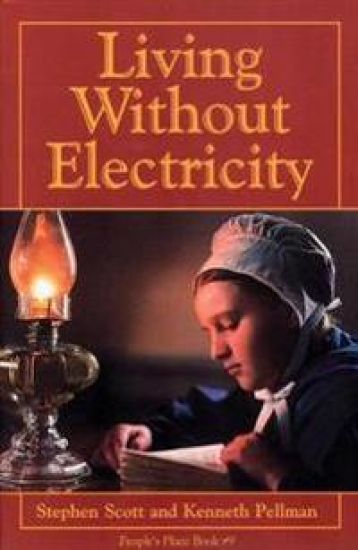
How do the Amish get along without electric lights or appliances, computers, power tools, or their own phones? This book examines the Amish response to technology. Also, the role of invention among the Amish. This book tells how and why the Amish live without inventions other people take for granted: How do you light a room without electricity? How do you keep warm without centralized heating? What do you do for entertainment when you don't have TV? How do you get around without a car? How do you communicate when you don't have a phone? Living Without Electricity explains how the Amish cook and store food, pump water, wash clothes, and even run farms and businesses. It describes the practices of other Old Order groups in the United States, Canada, Mexico, and several South American countries.