
Kirjailija
Steve Early
Kirjat ja teokset yhdessä paikassa: 9 kirjaa, julkaisuja vuosilta 2009-2026, suosituimpien joukossa Courage or Complicity?. Vertaile teosten hintoja ja tarkista saatavuus suomalaisista kirjakaupoista.
9 kirjaa
Kirjojen julkaisuhaarukka 2009-2026.
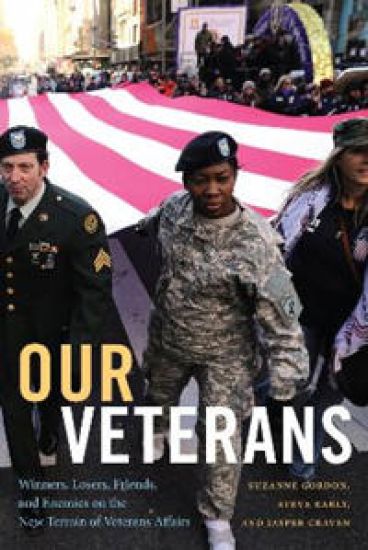
In Our Veterans, Suzanne Gordon, Steve Early, and Jasper Craven explore the physical, emotional, social, economic, and psychological impact of military service and the problems that veterans face when they return to civilian life. The authors critically examine the role of advocacy organizations, philanthropies, corporations, and politicians who purport to be “pro-veteran.” They describe the ongoing debate about the cost, quality, and effectiveness of healthcare provided or outsourced by the Department of Veterans Affairs (VA). They also examine generational divisions and political tensions among veterans, as revealed in the tumultuous events of 2020, from Black Lives Matter protests to the Trump-Biden presidential contest. Frank and revealing, Our Veterans proposes a new agenda for veterans affairs linking service provision to veterans to the quest for broader social programs benefiting all Americans.
In Our Veterans, Suzanne Gordon, Steve Early, and Jasper Craven explore the physical, emotional, social, economic, and psychological impact of military service and the problems that veterans face when they return to civilian life. The authors critically examine the role of advocacy organizations, philanthropies, corporations, and politicians who purport to be “pro-veteran.” They describe the ongoing debate about the cost, quality, and effectiveness of healthcare provided or outsourced by the Department of Veterans Affairs (VA). They also examine generational divisions and political tensions among veterans, as revealed in the tumultuous events of 2020, from Black Lives Matter protests to the Trump-Biden presidential contest. Frank and revealing, Our Veterans proposes a new agenda for veterans affairs linking service provision to veterans to the quest for broader social programs benefiting all Americans.
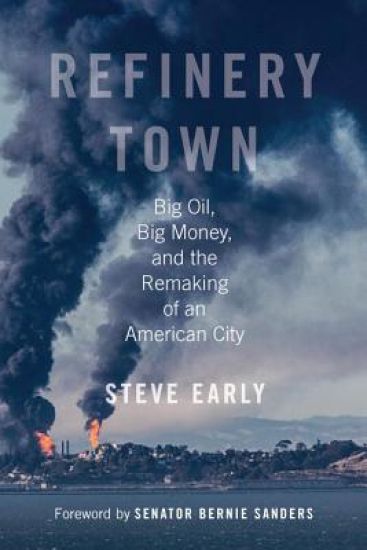
The People vs. Big Oil--how a working-class company town harnessed the power of local politics to reclaim their community Home to one of the largest oil refineries in the state, Richmond, California, was once a typical company town, dominated by Chevron. This largely nonwhite, working-class city of one hundred thousand suffered from poverty, pollution, and poorly funded public services. It had one of the highest homicide rates per capita in the country and a jobless rate twice the national average. But in 2012, when veteran labor reporter Steve Early moved from New England to Richmond, he discovered a city struggling to remake itself. In Refinery Town, Early chronicles the fifteen years of successful community organizing that raised the local minimum wage, defeated a casino development project, challenged home foreclosures and evictions, and sought fair taxation of Big Oil. Here we meet a dynamic cast of characters--from ninety-four-year-old Betty Reid Soskin, the country's oldest full-time national park ranger and witness to Richmond's complex history; to Gayle McLaughlin, the Green mayor who challenged Chevron and won; to police chief Chris Magnus, who brought community policing to Richmond and is now one of America's leading public safety reformers. Part urban history, part call to action, Refinery Town shows how concerned citizens can harness the power of local politics to reclaim their community and make municipal government a source of much-needed policy innovation.
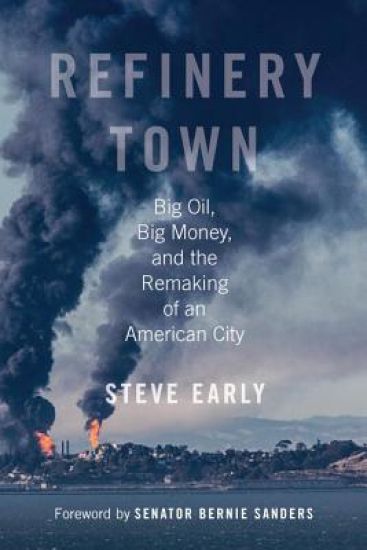
The People vs. Big Oil--how a working-class company town harnessed the power of local politics to reclaim their community Home to one of the largest oil refineries in the state, Richmond, California, was once a typical company town, dominated by Chevron. This largely nonwhite, working-class city of one hundred thousand suffered from poverty, pollution, and poorly funded public services. It had one of the highest homicide rates per capita in the country and a jobless rate twice the national average. But in 2012, when veteran labor reporter Steve Early moved from New England to Richmond, he discovered a city struggling to remake itself. In Refinery Town, Early chronicles the fifteen years of successful community organizing that raised the local minimum wage, defeated a casino development project, challenged home foreclosures and evictions, and sought fair taxation of Big Oil. Here we meet a dynamic cast of characters--from ninety-four-year-old Betty Reid Soskin, the country's oldest full-time national park ranger and witness to Richmond's complex history; to Gayle McLaughlin, the Green mayor who challenged Chevron and won; to police chief Chris Magnus, who brought community policing to Richmond and is now one of America's leading public safety reformers. Part urban history, part call to action, Refinery Town shows how concerned citizens can harness the power of local politics to reclaim their community and make municipal government a source of much-needed policy innovation.
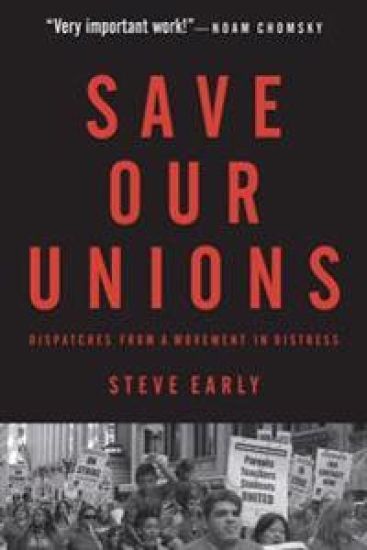
Save Our Unions: Dispatches From A Movement in Distress bringstogether recent essays and reporting by labor journalist SteveEarly. The author illuminates the challenges facing U.S. workers, whether they're trying to democratize their union, win a strike, defendpast contract gains, or bargain with management for the firsttime. Drawing on forty years of personal experience, Early writesabout cross-border union campaigning, labor strategies for organizingand health care reform, and political initiatives that mightlessen worker dependence on the Democratic Party. Save Our Unions contains vivid portraits of rank-and-file heroesand heroines, both well-known and unsung. It takes readers tounion conventions and funerals, strikes and picket-lines, celebrationsof labor's past and struggles to insure that unions still havea future in the 21st century. The book's insight, analysis and advocacymake this an important contribution to the project of laborrevitalization and reform.
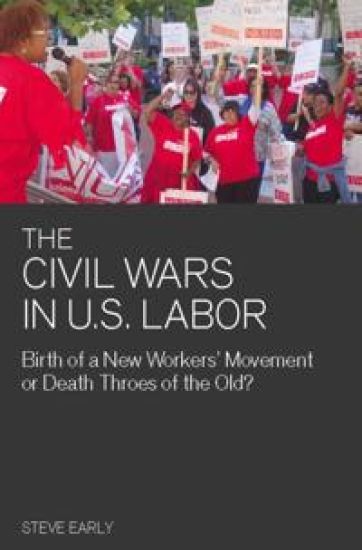
From forced trusteeships to hostile inter-union raids, American labour has been gripped by a devastating civil war that has resulted in 30 years of decline. With the economic crises putting more pressure on organised labour than ever and prompting a renewed interest in the subject, it is high time to turn back this trend. Long-time trade union leader and journalist Steve Early goes straight to the root of the problem, arguing that these destructive policies have grown out of the current strategy of labour management collaboration and calling for an entire rebuild.
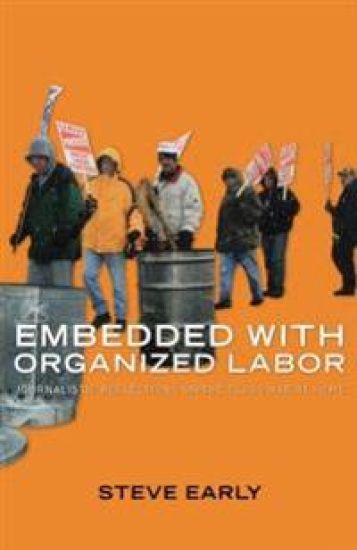
Embedded With Organized Labor describes how union members have organized successfully, on the job and in the community, in the face of employer opposition now and in the past. The author has produced a provocative series of essays-an unusual exercise in "participatory labor journalism" useful to any reader concerned about social and economic justice. As workers struggle to survive and the labor movement tries to revive during the current economic crisis, this book provides ideas and inspiration for union activists and friends of labor alike.
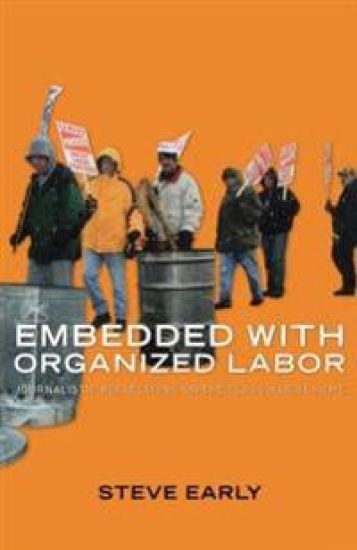
Collected for the first time, the essays that comprise Embedded With Organized Labor present a unique and informed perspective on the class war at home from a longtime organizer and "participatory labor journalist." Steve Early tackles the most pressing issues facing unions today and describes how workers have organized successfully, on the job and in the community, in the face of employer opposition now and in the past.This wide-ranging collection deals with the dilemmas of union radicalism, the obstacles to institutional change within organized labor, and strategies for securing workers' rights in the new global economy. It also addresses questions hotly debated among union activists and friends of labor, including workers' rights as human rights, new forms of worker organization such as worker centers, union democracy, cross-border solidarity, race, gender, and ethnic divisions in the working class, and the lessons of labor history.