Kirjojen hintavertailu. Mukana 12 595 353 kirjaa ja 12 kauppaa.

Kirjailija

Steve Hallett

Kirjat ja teokset yhdessä paikassa: 6 kirjaa, julkaisuja vuosilta 2011-2026, suosituimpien joukossa Ancient Wisdoms for Modern Crises. Vertaile teosten hintoja ja tarkista saatavuus suomalaisista kirjakaupoista.

6 kirjaa

Kirjojen julkaisuhaarukka 2011-2026.

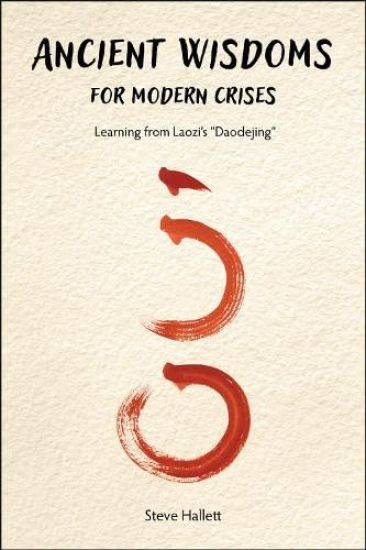
Ancient Wisdoms for Modern Crises

Ancient Wisdoms for Modern Crises

Steve Hallett

Purdue Scholarly Publishing Services
2026
nidottu
We live in a time of abundance and comfort for some, scarcity and hardship for others—a period that seems to have all of us teetering on the brink. Certainly, there is no lack of modern crises, but do we possess the wisdom to overcome them, and where might we seek that wisdom? Ancient Wisdoms for Modern Crises: Learning From Laozi's "Daodejing" looks to the Daodejing, a text written during the late Zhou Dynasty (600–400 BCE), for guidance. One of the core treatises of Eastern philosophy, it advocates humility, simplicity, and sustainable living. As both a personal and political philosophy, it is radically gentle, encouraging readers to embrace humility, modesty, compassion, and selflessness while simultaneously resisting the urge to conquer, control, and dominate—teachings that can help each of us navigate contemporary life. Finding solutions to such difficult problems requires all the wisdom, ancient and modern, that humans can muster. Replete with the author's fresh translation of the eighty-one-verse Daodejing, this book touches on topics ranging from environmentalism and human suffering to biodiversity loss and the rise of authoritarianism in an effort to forge a more restrained, sustainable, just, supportive, and compassionate society.
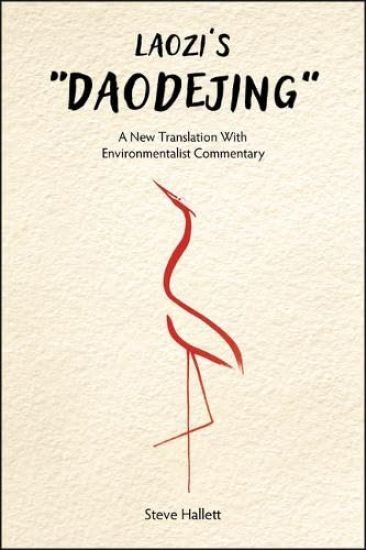
Laozi's "Daodejing"

Laozi's "Daodejing"

Steve Hallett

Purdue Scholarly Publishing Services
2025
nidottu
Laozi's "Daodejing": A New Translation With Environmentalist Commentary offers a new translation and fresh interpretation of the eighty-one-verse Daodejing, one of the central texts of Eastern philosophy. Likely written during the late Zhou Dynasty between 600–400 BCE, this foundational work is generally attributed to an individual named Laozi, although it is unlikely that any such person actually existed. Here, author Steve Hallett employs contemporary poetic form when translating the document's approximately 5,000 Chinese characters and provides short analytical essays that illuminate the verses with a specific focus on the teachings they offer about social and environmental sustainability. His examination of this 2,500-year-old text suggests that perhaps not all our modern crises are as modern as they seem: Much of what ails us today may involve the same foolishness that has ailed us for millennia. Ultimately, this timely study posits that lessons from the past can help us avoid making hasty decisions related to the environment and show us how to chart a calmer, more patient, and more persistent path toward a just and sustainable future.
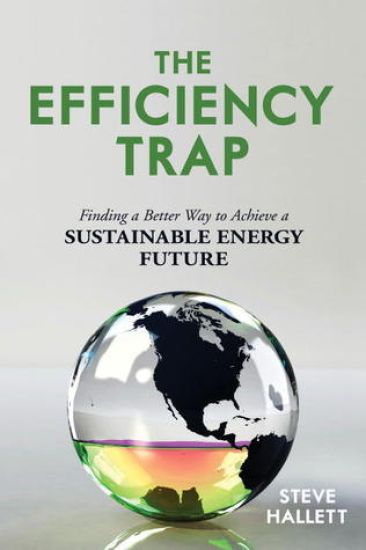
The Efficiency Trap

The Efficiency Trap

Steve Hallett

Prometheus Books
2013
pokkari
One of the key tenets of the environmental movement is the need for greater efficiency in our use of dwindling natural resources, especially coal, natural gas, and oil. In this surprising new look at sustainability and conservation, environmentalist Steve Hallett argues that this thinking is fundamentally flawed. In fact, based on the example of coal use throughout the Industrial Revolution, more efficiency leads to more consumption, faster depletion of resources, and ultimately more stress on the planet. This is the efficiency trap. How do we avoid this trap? Hallett suggests that we focus on protecting natural resources, ecosystems, and social systems by making them more resilient. Knowing that we have reached limits to growth, we should work to decentralize energy-delivery services to give homes and communities some measure of independence. We can also build more sustainable food systems by diversifying the food-production landscape to address the vulnerabilities of the current supply chain. Efficiency does have its place in specific areas such as recycling and home insulation, but it will not work as a long-term approach to our energy dilemma.
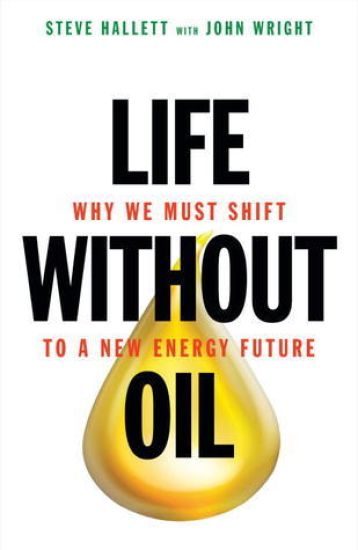
Life Without Oil

Life Without Oil

Steve Hallett; John Wright

Prometheus Books
2011
sidottu
By the end of the 21st century, our oil and natural gas supplies will be virtually nonexistent, and limited coal supplies will be restricted to only a handful of countries. The authors - an environmental scientist and veteran journalist - make abundantly clear that we must plan for a future without reliance on oil. They make a compelling case that the key determinant of our global economy is not so much the invisible hand of the marketplace but the inexorable laws of ecology. Although the coming decades will be a time of much disruption and change of lifestyle, in the end we may learn a wiser, more sustainable stewardship of our natural resources. This timely, sobering, yet constructive discussion of energy and ecology offers a realistic vision of the near future and many important lessons about the limits of our resources.