Kirjojen hintavertailu. Mukana 12 595 353 kirjaa ja 12 kauppaa.

Kirjailija

Steven C. Hayes

Kirjat ja teokset yhdessä paikassa: 43 kirjaa, julkaisuja vuosilta 1985-2026, suosituimpien joukossa Mastering the Clinical Conversation. Vertaile teosten hintoja ja tarkista saatavuus suomalaisista kirjakaupoista.

Mukana myös kirjoitusasut: Steven C Hayes

43 kirjaa

Kirjojen julkaisuhaarukka 1985-2026.

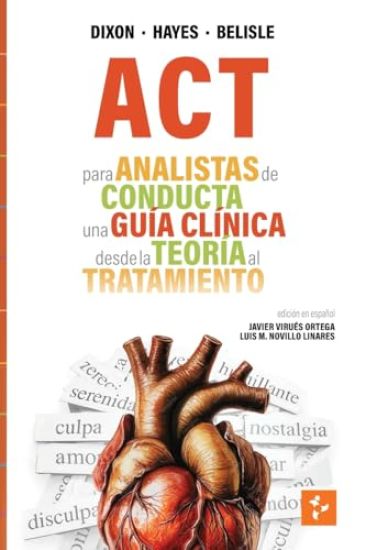
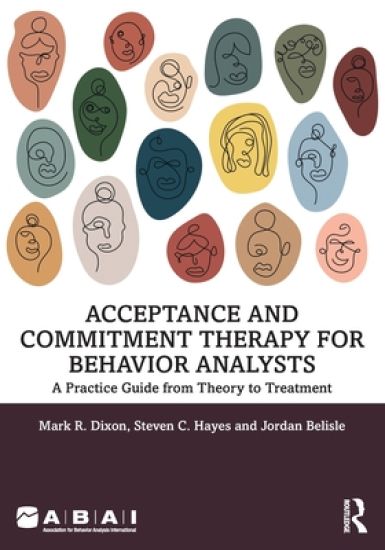
Acceptance and Commitment Therapy for Behavior Analysts

Acceptance and Commitment Therapy for Behavior Analysts

Mark R. Dixon; Steven C. Hayes; Jordan Belisle

TAYLOR FRANCIS LTD
2023
nidottu
This book provides a thorough discussion of acceptance and commitment therapy or training (ACT) and a guide for its use by behavior analysts. The book emphasizes how the intentional development of six core behavioral processes – values, committed action, acceptance, defusion, self-as-context, and present moment awareness – help establish the psychological flexibility needed to acquire and maintain adaptive behaviors that compete with maladaptive behavior patterns in verbally able clients. Split into three parts, the book discusses the history and controversy surrounding the rise of acceptance and commitment strategies in behavior analysis and shows how the processes underlying ACT are linked to foundational behavioral scientific principles as amplified by stimulus equivalence and relational learning principles such as those addressed by relational frame theory. In a careful step-by-step way, it describes the best practices for administering the acceptance and commitment procedures at the level of the individual client, organizational systems, and with families. Attention is also given to the ethical and scope-of-practice considerations for behavior analysts, along with recommendations for conducting on-going research on this new frontier for behavior analytic treatment across a myriad of populations and behaviors. Written by leading experts in the field, the book argues that practice must proceed from the basic tenants of behavior analysis, and that now is the opportune moment to bring ACT methods to behavior analysts to maximize the scope and depth of behavioral treatments for all people. Acceptance and Commitment Therapy for Behavior Analysts will be an essential read for students of behavior analysis and behavior therapy, as well as for individuals on graduate training programs that prepare behavior analysts and professionals that are likely to use ACT in their clinical practice and research.
Acceptance and Commitment Therapy for Behavior Analysts

Acceptance and Commitment Therapy for Behavior Analysts

Mark R. Dixon; Steven C. Hayes; Jordan Belisle

TAYLOR FRANCIS LTD
2023
sidottu
This book provides a thorough discussion of acceptance and commitment therapy or training (ACT) and a guide for its use by behavior analysts. The book emphasizes how the intentional development of six core behavioral processes – values, committed action, acceptance, defusion, self-as-context, and present moment awareness – help establish the psychological flexibility needed to acquire and maintain adaptive behaviors that compete with maladaptive behavior patterns in verbally able clients. Split into three parts, the book discusses the history and controversy surrounding the rise of acceptance and commitment strategies in behavior analysis and shows how the processes underlying ACT are linked to foundational behavioral scientific principles as amplified by stimulus equivalence and relational learning principles such as those addressed by relational frame theory. In a careful step-by-step way, it describes the best practices for administering the acceptance and commitment procedures at the level of the individual client, organizational systems, and with families. Attention is also given to the ethical and scope-of-practice considerations for behavior analysts, along with recommendations for conducting on-going research on this new frontier for behavior analytic treatment across a myriad of populations and behaviors. Written by leading experts in the field, the book argues that practice must proceed from the basic tenants of behavior analysis, and that now is the opportune moment to bring ACT methods to behavior analysts to maximize the scope and depth of behavioral treatments for all people. Acceptance and Commitment Therapy for Behavior Analysts will be an essential read for students of behavior analysis and behavior therapy, as well as for individuals on graduate training programs that prepare behavior analysts and professionals that are likely to use ACT in their clinical practice and research.
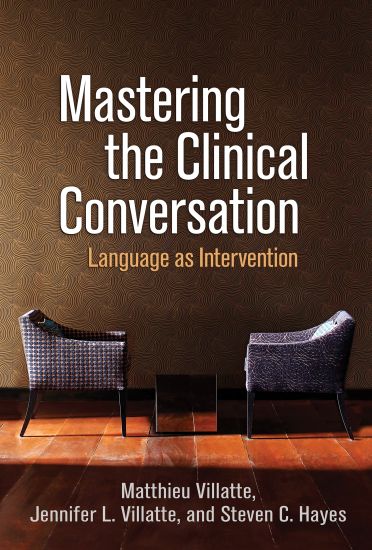
Mastering the Clinical Conversation

Mastering the Clinical Conversation

Matthieu Villatte; Jennifer L. Villatte; Steven C. Hayes

Guilford Press
2019
nidottu
This compelling book provides psychotherapists with evidence-based strategies for harnessing the power of language to free clients from life-constricting patterns and promote psychological flourishing. Grounded in relational frame theory (RFT), the volume shares innovative ways to enhance assessment and intervention using specific kinds of clinical conversations. Techniques are demonstrated for activating and shaping behavior change, building a flexible sense of self, fostering meaning and motivation, creating powerful experiential metaphors, and strengthening the therapeutic relationship. User-friendly features include more than 80 clinical vignettes with commentary by the authors, plus a "Quick Guide to Using RFT in Psychotherapy" filled with sample phrases and questions to ask. See also two works by Paul L. Wachtel--Therapeutic Communication, Second Edition, which provides another vital perspective on language in psychotherapy, and Making Room for the Disavowed, which integrates psychodynamic thinking with ACT and other contemporary approaches.
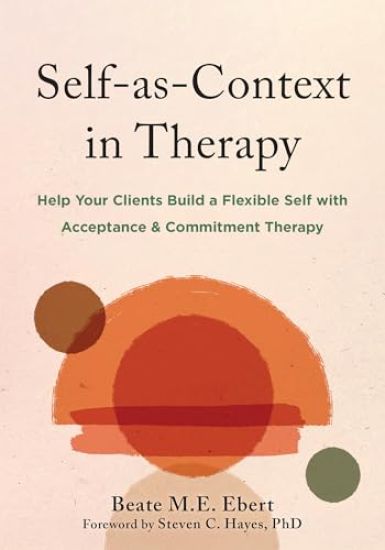
Self-as-Context in Therapy

Self-as-Context in Therapy

Beate M. Ebert; Steven C. Hayes

Context Press
2026
pokkari
Gain a deeper understanding of self-as-context, learn practical interventions, and help your clients thrive.Self-as-context is one of the most important of the six core processes of acceptance and commitment therapy (ACT), yet it is also one of the least understood. Many therapists struggle to fully implement it in their practice--perhaps due to a lack of concrete techniques for real world application--or they may become stuck when facing roadblocks in-session. So how can you gain a deeper understanding of self-as-context as a behavior and learn practical interventions for empowering clients with this essential capacity? Self-as-Context in Therapy takes a challenging concept and translates it into an accessible, actionable process for helping clients cultivate a more flexible self and take valued action. You will start with an exploration of how the self develops, and the clinical implications of inhibiting factors in this process. You'll also learn about three useful aspects of experiencing our self--self-as-process, self-as-content, and self-as-context--and how to recognize when self-as-context work is beneficial in therapy. Finally, the book offers simple strategies to train clients in self-as-context, so they can integrate key lessons and techniques into their daily lives. With clear examples of how to apply self-as-context to common causes of suffering such as grief and loss, burnout, stress, addiction, depression, as well as the challenges of parenting and relationships, you will come away with concrete skills for helping clients improve their lives. If you're looking for resources to help your clients embrace new possibilities and move toward a life more deeply aligned with their values, this comprehensive guide can help you get started.
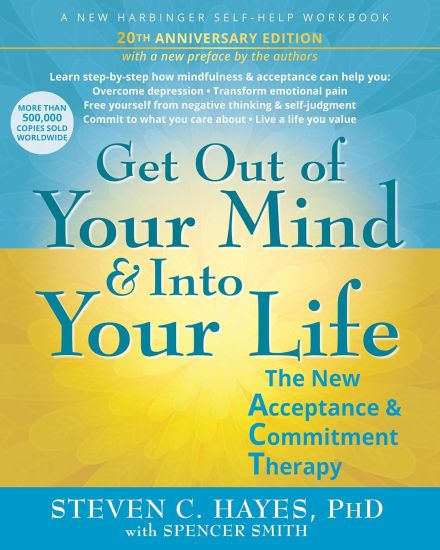
Get Out of Your Mind and Into Your Life

Get Out of Your Mind and Into Your Life

Spencer Smith; Steven C. Hayes

NEW HARBINGER PUBLICATIONS
2025
pokkari
Now more than ever--it's time to get out of your mind and into your life If you're struggling with painful thoughts and emotions, anxiety about the future, depression, the effects of trauma, job stress, or anger, this game-changing workbook--now in a special 20th anniversary edition--can help you build the psychological flexibility needed to reduce your suffering and commit to living your life based on what matters most to you now. Get Out of Your Mind and Into Your Life has already introduced hundreds of thousands of readers to the core skills of acceptance and commitment therapy (ACT)--a revolutionary approach that reveals the reasons why we suffer, and how to be mentally healthy. In this anniversary edition--featuring a new preface by author and ACT originator, Steven C. Hayes--you'll learn how ACT can help you live a vital, meaningful life, even in the most challenging times. As you work through the book, you'll discover how to stop fighting or avoiding your pain, and develop a willingness to embrace every experience life has to offer. You'll find evidence-based strategies to: Face fears and challenges--rather than avoid them Become more mindful and intentional in each moment Foster willingness to accept all of life's experiences Defuse from negative thoughts and emotions Focus on what really matters to you ACT is not about resisting your emotions; it's about feeling them completely without letting them control you. More than just a self-help workbook, this is an essential road map to cultivate psychological flexibility, thrive in the face of adversity, and--most importantly--get out of your mind and into your life This book has been awarded the Association for Behavioral and Cognitive Therapies Self-Help Seal of Merit―an award bestowed on outstanding self-help books that are consistent with cognitive behavioral therapy (CBT) principles, and that incorporate scientifically tested strategies for overcoming mental health difficulties. Used alone or in conjunction with therapy, our books offer powerful tools readers can use to jump-start changes in their lives.
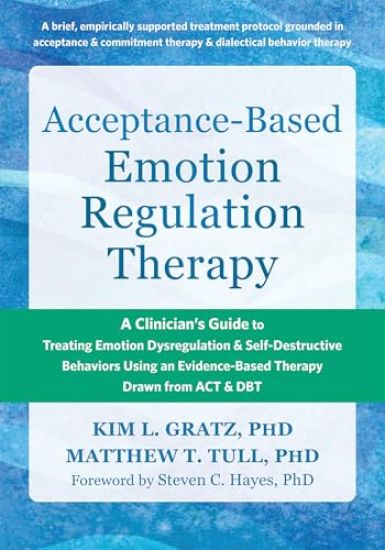
Acceptance-Based Emotion Regulation Therapy

Acceptance-Based Emotion Regulation Therapy

Kim LGratz; Matthew T. Tull; Steven C. Hayes

Context Press
2025
pokkari
Efficiently target all dimensions of your clients' emotion dysregulation for improved treatment outcomes. There is extensive evidence highlighting the role of emotion dysregulation in numerous forms of psychopathology and maladaptive behaviors including depression, anxiety, PTSD, personality disorders, self-injury, disordered eating behaviors, and substance use, among others. Originally developed for treating self-injury among women with borderline personality disorder, research shows that acceptance-based emotion regulationtherapy is powerfully effective in treating emotion dysregulation and related psychiatric symptoms and self-destructive behaviors in a wide range of clients. Acceptance-Based Emotion Regulation Therapy offers an empirically supported protocol that addresses all key dimensions of emotion regulation using evidence-based strategies drawn from dialectical behavior therapy (DBT), acceptance and commitment therapy (ACT), and emotion-focused therapy (EFT), as well as basic behavioral principles--resulting in a treatment that is more targeted and far briefer than comprehensive DBT. After providing an overview of the conceptual and empirical underpinnings of this therapy, as well as the therapeutic stance underlying this treatment, this step-by-step guide will walk you through each of the fourteen sessions of this therapy, reviewing key concepts and specific strategies for teaching clients key emotion regulation skills. Each chapter includes handouts and outside-of-session practice exercises and monitoring forms to help clients practice the skills and integrate them into their lives. Chapters also include discussion of common sticking points or challenges that can arise when teaching clients these skills, as well as tips for addressing these in an effective, treatment consistent manner. You'll also learn strategies for helping clients maintain treatment gains and prevent relapse. With this comprehensive protocol, you'll be fully equipped to treat psychiatric symptoms stemming from emotion dysregulation, self-destructive behaviors serving an emotion-regulating function, and emotion dysregulation more broadly. If you've been searching for an emotion regulation therapy that efficiently and effectively targets all the core dimensions of emotion dysregulation driving your clients' symptoms and clinical difficulties, this comprehensive guide has everything you need to help your clients improve their emotion regulation, maintain treatment gains, prevent relapse, and build meaningful lives.
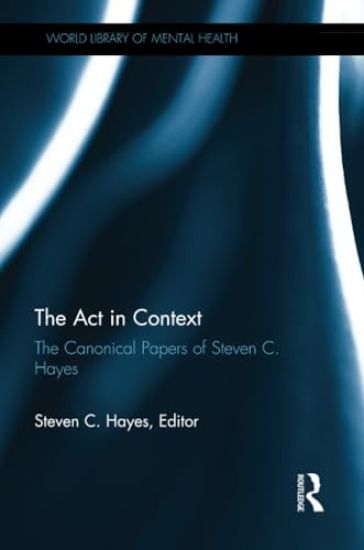
The Act in Context

The Act in Context

Steven C. Hayes

TAYLOR FRANCIS LTD
2024
nidottu
The Canonical Papers of Steven C. Hayes is a compilation of his most pivotal articles written from 1982-2012. Through these selected papers, Hayes again revisits the theoretical struggles between behavioral and cognitive-behavior theories, taking us from the 1980s into present day, discussing the breakthroughs and follies. Using this as a focus point, he discusses the tradition of behavior analysis and its difficulties in addressing human language and cognition. Moving forward into the 90s, he chronicles the changes in a behavioral approach that emerge from a contextual perspective on human cognition, and lays out the foundation for a contextual behavioral science approach that he argues is more likely to lead to an understanding of human action and an alleviation of human suffering. Although the articles have previously been published, they have been edited and compiled ensure this branch of research is clear to the modern audience. The compilation was chosen by Dr. Hayes to enhance his vision for a functional contextual approach to complex human behavior.
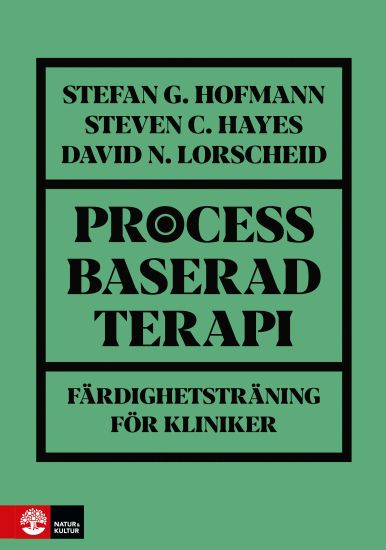
Processbaserad terapi : färdighetsträning för kliniker

Processbaserad terapi : färdighetsträning för kliniker

Stefan G. Hofmann; Steven C. Hayes; David N. Lorscheid

Natur Kultur Läromedel och Akademi
2023
sidottu
Processbaserad terapi ger ett nytt ramverk till psykoterapi. Fokus ligger på vilka specifika processer som driver patientens problem – oavsett diagnos.I den här boken beskrivs för första gången hur du som kliniker kan arbeta processbaserat. Du får konkreta verktyg för att kartlägga patienters problematik och genomföra individanpassade terapier, där fallexempel och reflektionsfrågor ger värdefull fördjupning.Boken riktar sig till kliniker med kompetens inom kognitiv beteendeterapi och den passar även som kurslitteratur på grundläggande psykoterapiutbildningar. Översättningen är fackgranskad av psykologerna Cecilia Engblom Rosengren och Torun Jansson Kallings.Stefan G. Hofmann och Steven C. Hayes är grundarna av processbaserad terapi.Sagt om boken”Processbaserad terapi är generös med förtydligande exempel från klientarbete och även fördjupande frågor för läsaren att reflektera kring. Detta är en mycket bra lärobok om processbaserad terapi som håller en hög akademisk nivå både i språk och kvalitet.”Therese Nordholm, BTJ-häftet nr 22, 2023
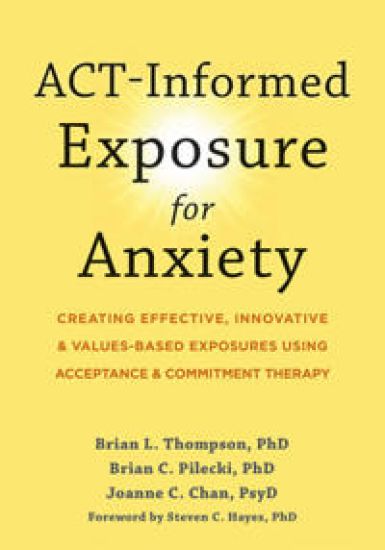
ACT-Informed Exposure for Anxiety

ACT-Informed Exposure for Anxiety

Brian Pilecki; Brian Thompson; Joanne Chan; Steven C. Hayes

NEW HARBINGER PUBLICATIONS
2023
pokkari
This clinical guide shows therapists how to create effective, innovative, and values-driven exposures for treating clients with anxiety and avoidant behaviours. The exposures outlined in this book are easy-to-implement, easily tolerated by clients, and work to strengthen psychological flexibility.Exposure therapy is a proven-effective treatment for anxiety-related disorders; however, it is also one of the most challenging to implement-for both clinicians and clients. This comprehensive guide provides innovative exposures grounded in evidence-based acceptance and commitment therapy (ACT) to help your clients face their fears and live a values-driven life. The exposures outlined in this book are easy-to-implement, easily tolerated by clients, and work to strengthen psychological flexibility-a core process of change within ACT which involves learning to remain in contact with uncomfortable experiences while taking valued action toward creating positive and meaningful life changes. Studies have shown that ACT interventions can increase client willingness to engage in exposure therapy. Whether you are new to ACT and exposure or are experienced in traditional exposure therapy and are interested in incorporating ACT in your treatment sessions, this book is an essential resource for your professional library.
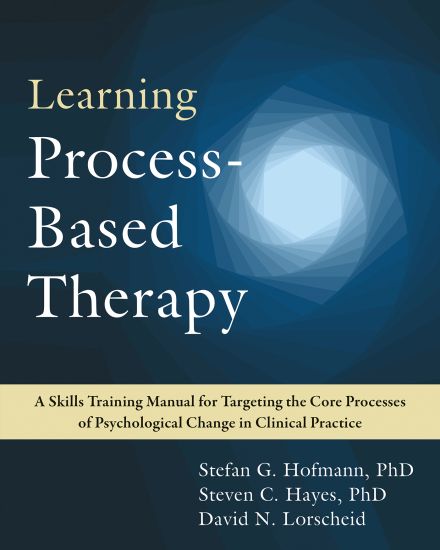
Learning Process-Based Therapy

Learning Process-Based Therapy

David N. Lorscheid; Stefan G. Hofmann; Steven C. Hayes

New Harbinger Publications
2022
pokkari
The future of psychology is process-based. This groundbreaking workbook offers concrete strategies for utilizing the core competencies of process-based therapy, and provides step-by-step guidance for formulating effective treatment plans.For decades, evidence-based mental health treatments have been defined in terms of scientifically validated protocols focused on syndromes. Many therapies-including cognitive behavioral therapy (CBT)-have historically been identified with that approach, but this is rapidly changing. A process focus is now emerging for a number of methods within the family of CBT, as the era of "protocols for syndromes" passes away.Written by renowned psychologists Steven C. Hayes and Stefan G. Hofmann, The Process-Based Therapy Workbookwill show you how to utilize the core competencies of process-based therapy (PBT) in a way that honors the behavioral, cognitive, and acceptance and mindfulness wings of CBT. In the workbook, you'll find a comprehensive road map to the theoretical foundations of PBT, as well as step-by-step guidance to help you formulate treatment plans that address the unique needs of each client-leading to better therapeutic outcomes.Whether you are a clinician or a student of the behavioral sciences, this workbook offers everything you need tounderstand and implement PBT in your work.
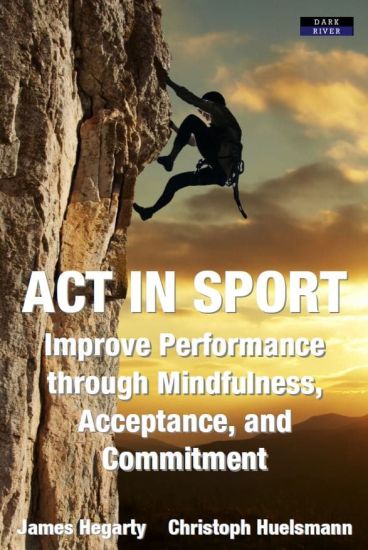
ACT in Sport

ACT in Sport

James Hegarty; Christoph Huelsmann; Steven C Hayes

Dark River
2020
pokkari
Does unhelpful thinking influence your sporting performance, or the athletes you work with? Athletes of all levels experience barriers to performance beyond the physical challenges they face. These can range from, performance anxiety, overthinking, and lack of concentration, to issues of motivation or difficulties when dealing with team members. ACT - Acceptance and Commitment Training/Therapy - is a modern and effective psychological approach based on a scientific understanding of human thought and emotional processes. ACT uses a practical and easy-to-use framework for skill development through values-based action, commitment, defusion, mindfulness, and acceptance. By utilising ACT, athletes will flourish into their better selves and improve their performances across their sports and beyond. ACT in Sport is a practical workbook that provides a variety of simple strategies for athletes, sport psychologists, and coaches - regardless of their level of ability - for growing their skills. It is a manual for anyone wanting to become familiar with this increasingly popular but poorly understood approach to the psychology of sports performance. More than 20 practical exercises are included, and a free-to-download workbook accompanies the book. Foreword by Patrick Smith and Steven C. Hayes.
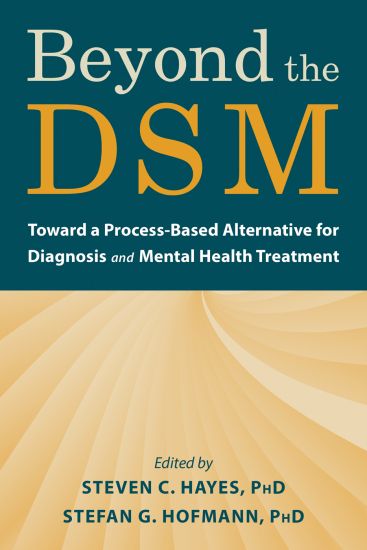
Beyond the DSM

Beyond the DSM

Steven C. Hayes

New Harbinger Publications
2020
pokkari
As a mental health clinician, you know that every client is unique and a client's symptoms are the result of a complex combination of psychological, environmental, genetic, and neural factors. However, the de facto DSM model poses considerable constraints on how you can treat clients-often resulting in a one-size-fits-all diagnosis. This important volume challenges the assumptions and approach made by the DSM, and provides a vision and plan for an evidence-based, process-based approach to individualised care.With contributions from renowned experts in the field-including Steven C. Hayes, Stefan G. Hofmann, Joseph Ciarrochi, Matthew McKay, Uma Vaidyanathan, Sarah Morris, David Sommers, J. Scott Fraser, and many more-this groundbreaking book will show you a new way to recognize the complexity of human suffering and human prosperity. You'll find solid tips for treating a wide variety of psychological issues in a more flexible way. And, finally, you'll come away with a greater understanding of the "processes of change," and how to build a solid foundation for an alternative to syndromal diagnosis.The future of mental health treatment is process-based. Whether you're a clinician, researcher, student, instructor, or other professional working in the mental health field, this breakthrough volume offers everything you need to understand process-based treatment and create a more customized and effective approach to treating clients.
A Liberated Mind: How to Pivot Toward What Matters

A Liberated Mind: How to Pivot Toward What Matters

Steven C. Hayes

Avery Publishing Group
2020
nidottu
"In all my years studying personal growth, Acceptance and Commitment Therapy is one of the most useful tools I've ever come across, and in this book, Dr. Hayes describes it with more depth and clarity than ever before."-Mark Manson, #1 New York Times best-selling author of The Subtle Art of Not Giving a F*ckLife is not a problem to be solved. ACT shows how we can live full and meaningful lives by embracing our vulnerability and turning toward what hurts. In this landmark book, the originator and pioneering researcher into Acceptance and Commitment Therapy (ACT) lays out the psychological flexibility skills that make it one of the most powerful approaches research has yet to offer. These skills have been shown to help even where other approaches have failed. Science shows that they are useful in virtually every area--mental health (anxiety, depression, substance abuse, eating disorders, PTSD); physical health (chronic pain, dealing with diabetes, facing cancer); social processes (relationship issues, prejudice, stigma, domestic violence); and performance (sports, business, diet, exercise). How does psychological flexibility help? We struggle because the problem-solving mind tells us to run from what causes us fear and hurt. But we hurt where we care. If we run from a sense of vulnerability, we must also run from what we care about. By learning how to liberate ourselves, we can live with meaning and purpose, along with our pain when there is pain. Although that is a simple idea, it resists our instincts and programming. The flexibility skills counter those ingrained tendencies. They include noticing our thoughts with curiosity, opening to our emotions, attending to what is in the present, learning the art of perspective taking, discovering our deepest values, and building habits based around what we deeply want. Beginning with the epiphany Steven Hayes had during a panic attack, this book is a powerful narrative of scientific discovery filled with moving stories as well as advice for how we can put flexibility skills to work immediately. Hayes shows how allowing ourselves to feel fully and think freely moves us toward commitment to what truly matters to us. Finally, we can live lives that reflect the qualities we choose.
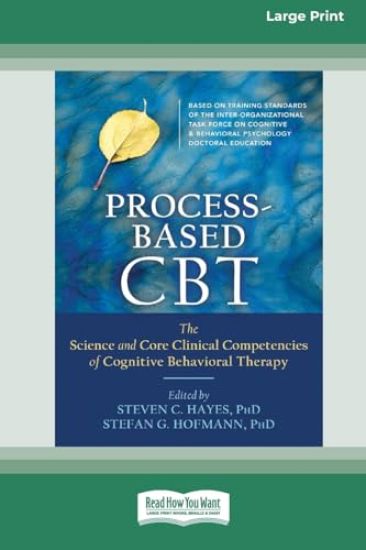
Process-Based CBT

Process-Based CBT

Steven C Hayes; Stefan G Hofmann

Readhowyouwant
2020
pokkari
Edited by Steven C. Hayes and Stefan G. Hofmann, and based on the new training standards developed by The Inter-Organizational Task Force on Cognitive and Behavioral Psychology Doctoral Education, this groundbreaking resource is the first to present the core competencies of cognitive behavioral therapy (CBT) in a way that honors the behavioral, cognitive, and acceptance and mindfulness wings of that tradition, and includes contributions from some of the luminaries in behavioral science today.