

Kirjailija
Steven Heller
Kirjat ja teokset yhdessä paikassa: 63 kirjaa, julkaisuja vuosilta 2005-2026, suosituimpien joukossa Nigel Holmes On Information Design. Vertaile teosten hintoja ja tarkista saatavuus suomalaisista kirjakaupoista.
63 kirjaa
Kirjojen julkaisuhaarukka 2005-2026.
The Designer's Guide to Building Your Brand
Steven Heller; Lita Talarico
Bloomsbury Visual Arts
2026
nidottu
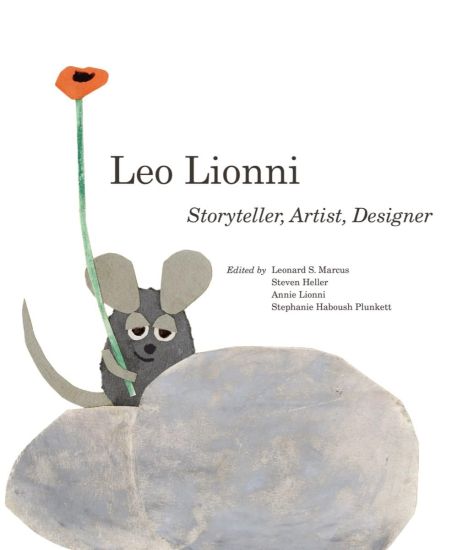
Leo Lionni
Steven Heller; Stephanie Haboush Plunkett; Leonard S. Marcus; Annie Lionni
ABBEVILLE PRESS INC.,U.S.
2023
sidottu
"This beautiful book reminds me that I was one of many whom Leo Lionni took by the hand, leading me into the world of writing and illustrating picture books." — Micha Archer, author and illustrator of Wonder Walkers, Daniel Finds a Poem, and the forthcoming What's New, Daniel? "He had amazing breadth and depth, all on display in this volume." — Paula Scher, graphic designer and partner, Pentagram "Throughout Leo Leonni’s varied and eclectic work one can see his wit as well as his mid-century design sensibility; formal and geometric, but softened by his warmth and playfulness..." — Marc Rosenthal, New York Times bestselling illustrator "This first survey of Lionni’s legacy comes out in conjunction with a retrospective of his work at the Norman Rockwell Museum in Stockbridge, Mass… Lionni had a rare ability to change shades — and retain his signature vibrancy — while moving, seemingly effortlessly, from one realm to another." — New York Times The first survey of Leo Lionni’s protean career as a graphic designer, children’s book creator, and fine artist. Between Worlds: The Art and Design of Leo Lionni opens at the Norman Rockwell Museum in Stockbridge, MA, on 18 November 2023. Leo Lionni (1910–1999) was a key figure of postwar visual culture, who believed that a smart, pithy design language could unite people across generations and cultural boundaries. He first achieved success in the field of graphic design, serving as the influential art director of Fortune magazine from 1948 to 1960 and personally executing such innovative designs as the catalogue for the Museum of Modern Art’s seminal photo exhibition The Family of Man. Then, in the 1960s, he embarked on an equally groundbreaking career in picture books, using torn-paper collages to illustrate modern animal fables such as Frederick and Swimmy, which are still beloved today. But even as his books won multiple Caldecott Honors, Lionni — who had begun as a painter — also maintained a fine art practice centered on his Parallel Botany, a richly imagined world of fanciful plants. This volume, the catalogue of a major exhibition at the Norman Rockwell Museum, is the first to present Lionni’s extraordinary career in the round. Written by leading scholars and with an introduction by the artist’s granddaughter, it is illustrated with abundant examples of his work, including many little-seen items from the Lionni family archives. Leo Lionni: Storyteller, Artist, Designer will be an important, and eye-opening, contribution to the history of art and design.


If You're Not a Terrorist... Then Stop Asking Questions
Micah Ian Wright; Steven Heller
Xlibris Corporation
2005
pokkari

Nightmares and Daydreams: A.C. 2020
Mirko Ilic; Steven Heller; Dave McKean
Selfmadehero
2026
sidottu
Visual explorations inspired by Leonard Cohen, Dylan Thomas, Winsor McCay and others to reflect the anxieties, uncertainties, and daily observations from the distinct imagination of Mirko Ilic. In 2020, New York-based artist and designer Mirko Ilic started drawing self-contained single-page stories created to reflect the mood of an unprecedented time. He called this collection “After Covid 2020” or “A.C. 2020”. Ilic continued to create these visual essays even as the lockdowns slowly lifted, channelling his anxieties and observations into striking and surreal images that combine personal imagination with motifs and inspiration from music, fine art, comics, and more. Shocking and provocative, captivating and meditative, this sequence of illustrations paints a unique picture of a man’s inner turmoil amidst a crumbling world. Nightmares and Daydreams: A.C. 2020 is a testament to both a period of unprecedented upheaval and the stunning talent of its award-winning author.

From prolific design writers and educators at the SVA/NYC, Steven Heller and Molly Heintz, a compelling collection of essays and interviews for anyone interested in critiquing, explaining, or interpreting design Writing is designing, and writers are designers. Mastering the elements of different writing styles is as important in describing a designed work as an understanding of color, texture, and material form. The design writer must make the prose as necessary and exciting to read as a designed object––from the simplest business card or product packaging to the grandest monument––must be to see and to use. This book is for the student or the expert, the novice or the professional, who seeks to communicate. With real-world examples of how and what to write when critiquing, explaining, discovering, introducing, and interpreting a piece of design, it presents a tantalizing world of possibilities for any design writer. The collected essays include a range of styles and disciplines, from journalism, scholarship, criticism, and business. Contributors include: Sarah Boxer Akiko Busch Liz Danzico Jarrett Fuller Colette Gaiter Karrie Jacobs Mark Kingsley Julie Lasky Warren Lehrer Rob Walker Michele Y. Washington and many more! Explaining design means writing intelligibly and creatively. This book covers it all, for and through those who practice, chronicle, critique, and observe graphic, product, industrial, and architectural design.

Post-9/11, America’s sense of invincibility was shaken. The dotcom bubble had burst, there was war with Iraq, and eco-angst was becoming mainstream, as evidenced by impressive sales of the Toyota Prius.For escapism, self-expression, and even romantic connection, America turned to tech. Geeks were the new superheroes, and the iPod and iPhone reigned supreme, both commercially and creatively. Social media began its unstoppable rise, with MySpace and Facebook pushing brands to get more interactive with consumers. Prestige dramas—The Sopranos, Mad Men, and Breaking Bad—populated the small screen, while Netflix swapped mailing DVDs for streaming content, the reality TV star was born, and Paris Hilton decreed, “That’s hot!”.Amazon and eBay threatened the cultural centrality of the shopping mall, and every famous name from Michael Jordan to Madonna could be found on scotch, sneakers, and scents. Health and wellness fueled the growth of brands like Whole Foods and Lululemon, and consumers increasingly valued experiences, ethics, and personalization.Featuring 10 chapters covering the full range of advertising, from food and fashion to entertainment, business, travel, and automobiles—with special mentions for the worst as well as the best—All-American Ads of the 2000s captures a time when ads still had the power to sell products and dreams in the millions, but mirrored a nation in the midst of profound transition.

This curated survey of more than 600 images shows how graphic designers have pushed the classic traditions of nude figure painting and drawing in to new realms via magazine covers, film and theater posters, book jackets, advertisements, and other forms of media from around the world.

A descent into discovering different versions of hell and its realms of torture around the world across literature, religions, culture, and folklore, gorgeously illustrated and accompanied by writing on the origins and details of each hell. Whether it's a real place, a human construct, an idea, or a superstition, hell is a grotesque demimonde in literature, cultures, religions, and folklore throughout the ages. There are many different hells to be found, each one distressing in its own way. But they all share the same essence: they are terrible places guarded by one or more evil spirits, where punishment is split into various levels of damnation. Those who wish to venture on this dangerous journey beyond the gates of the underworld will find their guide in two extraordinary authors and graphic designers: Steven Heller and Seymour Chwast. And like Dante in the footsteps of Virgil, they will be able to navigate their way through the burning (or icy!) dark realms that lurk in the heart of the human imagination-the Jewish Gehenna, the Sunni Jahannam, the Swahili hell, the Mayan myth of Xibalba, and many others-as well as all the characters who have created hell, visited it, or been involved in more or less fortunate descents into it. Equally appealing to fans of the literary hellscape of Dante's Inferno, the bright utopia of The Good Place, and the dark humor of Edward Gorey, Hell offers a feast of chillingly hilarious graphic art and illuminating content that comprehensively plumbs the multiple depths of the underworld.

Gleaned from thousands of images, this book offers the best of American print advertising in the age of the “Big Idea.” From the height of American consumerism, bold and colorful campaigns paint a fascinating portrait of the 1950s and ’60s, as concerns about the Cold War gave way to the carefree booze-and-cigarettes capitalism of the Mad Men era.Digitally remastered for optimum reproduction quality, the ads burst with crisp fonts and colors, as well as a sexy sense of possibility, beguiling their audience to buy everything from guns to girdles, cars to toothpaste, air travel to home appliances. At turns startling, amusing and inspiring, this panorama of midcentury marketing is at once an evocative period piece and a showcase of design innovation and advertising wit.

The Graphic Language of Neville Brody 3
Adrian Shaughnessy; Neville Brody; Steven Heller
THAMES HUDSON LTD
2023
nidottu
The long-awaited third monograph on the work of the most important British designer of his generation, showcasing projects from the last thirty years of his career. Neville Brody’s work sits at the intersections between graphic design, communication design and graphic art, pushing boundaries and blurring lines between them as he fuses influences from art, design, fashion, music, low and high cultures. Brody has been one of the most consistently innovative and shapeshifting graphic designers of the past fifty years. He has produced a body of commercial work covering editorial, brand identity, typography, systems, information and interface design of unparalleled boldness and sophistication for global clients that include Shiseido, Coca-Cola, Samsung, Nikon, LVMH, Nike and Dom Perignon, and UK clients such as the BBC, Channel 4, Tate Modern and The Times. The Graphic Language of Neville Brody 3 also captures a body of one-off creative works and site-specific collaborations that are motivated by creativity, political and cultural viewpoints, provocation, and expression. The Graphic Language of Neville Brody 3 brings almost thirty years of work together in thematic sections that address the key fields of his vibrant design projects, including typographic experimentation, cultural subversion, and design systems. Richly illustrated, each project is explored in detail, revealing the work that has defined Brody’s recent practise across six chapters, from major brands to magazine editorials and features, revealing how Brody’s design language has been informed, evolved and remarkably stayed true to key themes and ideas throughout his career to date. Brody has produced a rich, dynamic and surprising body of new work that will attract a new generation of designers and art directors. This inspirational volume will be essential reading for anyone interested in the evolution of graphic design over the past three decades.
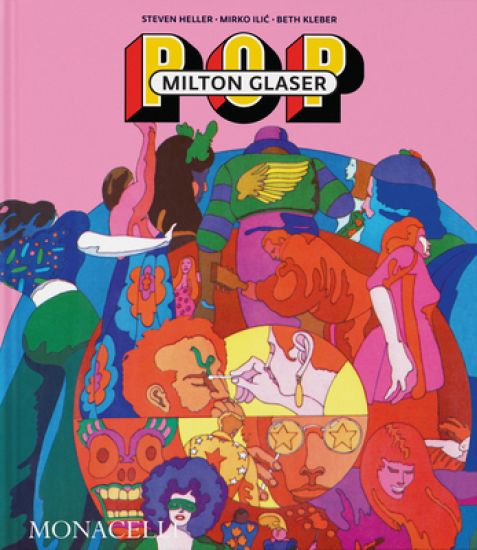
'Milton Glaser's designs changed the way we see the world.' - Gloria Steinem An overview of the work of illustrator and designer Milton Glaser during the 1960s and 70s From 1954, when he co-founded the legendary Push Pin Studios, to the late ’70s, Milton Glaser was one of the most celebrated graphic designers of his day, whose work graced countless book and album covers, posters, magazine covers, and advertisements, both famous and little-known. Glaser largely defined the international visual style for illustration, advertising, and typeface design and interest in his legacy continues unabated, with modern creatives acknowledging his influence; for example, in 2014 Mad Men creator Matthew Weiner enlisted Glaser to design the ad campaign and branding for the show’s final season. His renowned work garnered solo exhibitions at the Centre Georges Pompidou in Paris and the Museum of Modern Art in New York. Creator of the iconic ‘I love NY’ logo (featuring a heart symbol in place of the word ‘love’) and cofounder of New York magazine, Glaser received numerous accolades and lifetime achievement awards. Across thousands of works across all print media, he invented a graphic language of bright, flat color, drawing and collage, imbued with wit. This collection of work from Glaser’s Pop period features hundreds of examples of his design that have not been seen since their original publication, demonstrating the graphic revolution that transformed design and popular culture.

Prolific author and co-chair of the MFA Design School of Visual Arts Steven Heller shares his love of design with the world through essays, interviews, and profiles.Design is a living. But to live passion is essential. For the Love of Design is an anthology of Steven Heller's essays that are underscored by the essence that makes designers do what they do, Whether it is to make the environ a better place or communicate important messages or simply enliven the quotidian world, design is everywhere and everything. It is a life force made and appreciated with love. The focus of the anthology is graphic design and typography but these disciplines impact so many other forms of design that it is impossible to ignore them. Through essays, interviews and profiles, Heller captures the essence of what makes artists into designers and what makes design and its makers tick.From the design director of the New York Times discussing how during the pandemic he created the most effective front pages to a collage artist talking about why cutting and pasting scraps of material into dynamic compositions, each story and narrative brings to light ambitions and aspirations they are couched in love for the thinking, making, and doing of design.For the Love of Design is here to show that graphic and other design activities are not just ways of making a living, but living a life.

A meticulously created facsimile edition of a classic work on design by the progenitor of today's information design. Long before the internet and its vast stores of information in digital form, information in analog form needed to be organized so that it was legible and accessible. One designer who revolutionized the presentation of printed information was modernist pioneer Ladislav Sutnar (1897-1976). In 1950, Sutnar and architect K. Lonberg-Holm published Catalog Design Progress, a guide to modernizing the design of printed materials through typographic simplicity, compositional ingenuity, and navigational devices that signal the logical flow of information. This meticulously created facsimile of the original book illustrates and enacts Sutnar's ideas, making clear their continuing influence on graphic design. In the book, Sutnar contrasts his design style with the conglomeration of text and pictures that characterized earlier printed material. He identifies and illustrates visual features, including typography, pictures and charts, and covers, and shows how the arrangement and organization of visual units allows information to flow smoothly. For this edition, the Ladislav Sutnar Faculty of Art and Design at the University of West Bohemia in Pilsen, Czech Republic, has carefully recreated the original, with redrawn figures, retouched photos, re-typeset texts, five-color printing, and spiral binding. A separate reader's guide by celebrated design historian Steven Heller accompanies the book. Both book and guide are packaged in a slipcase.

20th Century Alcohol & Tobacco Ads. 45th Ed.
Allison Silver; Steven Heller
TASCHEN GMBH
2022
sidottu
Vices or virtues: drinking and smoking provided marketers with products to be forged into visual feasts. In this lush compendium of advertisements, we explore how depictions of these commodities spanned from the elegant to the offbeat, revealing how manufacturers prodded their customers throughout the 20th century to imbibe and inhale. Each era’s alcohol and tobacco trends are exuberantly captured page after page, with brand images woven into American popular culture so effectively that almost anyone could identify such icons as the Marlboro Man or Spuds MacKenzie, figures so familiar they could appear in ads without the product itself. Other advertisers devised clever and subliminal approaches to selling their wares, as the wildly successful Absolut campaign confirmed. Even doctors contributed to an improbable propaganda, testifying that smoking could calm your nerves and soothe your throat, while hailing liquor as an elixir capable of bringing social success. Whether you savor these visual delights, or enjoy inhaling and wallowing in forbidden pleasures, you will certainly be thrilled by this exploration of a decidedly vibrant—and sometimes controversial—chapter of advertising history.

Award-winning designer and writer Steven Heller comes of age at the center of New York’s youth culture in the mid-1960s to the mid-1970s. Steven Heller has written a memoir. This is no chronological trek through the hills and valleys of his comparatively “normal” life, but instead, a coming of age tale whereby with luck and circumstance, he found himself in certain curious places at critical times during the early to late 1960s and later throughout the 80s in New York City. This story is both entertaining and enlightening and follows Heller between the ages of 16 and 23 as he solidified his work as art director, graphic designer, cartoonist and writer, through stints at the New York Review of Books, Sex, Screw, and The New York Free Press, until becoming the youngest art director (and occasional illustrator) for The New York Times OpEd page at age 23.

Menu Design in Europe is a mouthwatering feast for the eyes, featuring hundreds of European menus from the early 19th century to the end of the millennium. At once a history of continental cuisine and a sprawling survey of graphic styles, Menu Design in Europe satisfies the craving for foodies and design enthusiasts alike. The dominance of French cuisine provided the template for the culinary delights that spread throughout (and beyond) the continent. As restaurants and dining experiences increased in the 19th century, the need for a more formal presentation of available items resulted in a range of printed menus that could be both extravagant and simple. The 1891 menu from Paris’s Le Grand Vefour, with its intricate die-cut design, evokes a bustling Belle Epoque bistro, while the 1932 menu from London’s Royal Palace Hotel transports you to the bar at a spirited, Jazz Age nightspot. On the opposite side of the design spectrum, the menu for the mid-century Lasserre restaurant expresses a surrealistic simplicity. A range of stylistic decades is represented, from masterpieces of Art Nouveau and Art Deco to the graphic appropriations of the German Democratic Republic. Also showcased are the Michelin awarded restaurants of the celebrity chef–era and rarities such as a German military menu from World War II. More than just bills of fare, these menus often represent a memorable dining experience, at times being presented with as much care and attention to detail as the meal itself. So, although one cannot sit in La Tour D’Argent in 1952 and sample its famous duck dish Le Caneton Tour d’Argent, we can surely imagine what it was like when looking at the waterfowl-themed illustration displaying the night’s offerings. Featuring an essay by graphic design historian Steven Heller and captions by ephemerist and antiquarian book dealer Marc Selvaggio, Menu Design In Europe features menus from leading collectors and institutions, providing a sumptuous visual banquet and historical document of two centuries of culinary traditions.
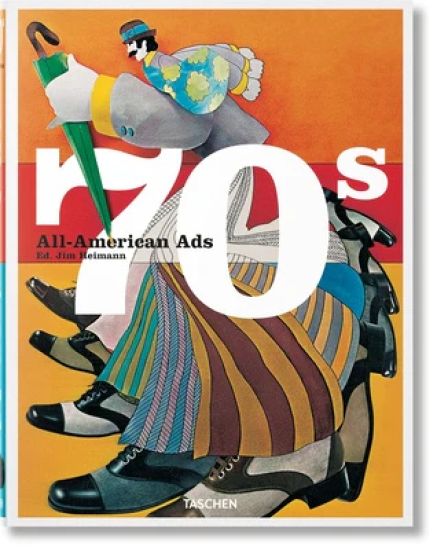
Both eclipsed and influenced by television, American print ads of the 1970s departed from the bold, graphic forms and subtle messages that were typical of their sixties counterparts. More literal, more in-your-face, 70s ads sought to capture the attention of a public accustomed to blaring, to-the-point TV commercials. All was not lost, though; as ads are a sign of the times, racial and ecological awareness crept into everything from cigarette to car advertisements, reminding Americans that everyday products were hip to the modern age. In an attempt to discover how best to communicate with a mass audience, marketing specialists studied focus groups with furious determination, thus producing such dumbed-down gems as "sisters are different from brothers," the slogan used for an African-American hair product. By the end of the decade, however, print ads had begun to recoup, gaining in originality and creativity as they focused on target audiences through carefully chosen placement in smaller publications. A fascinating study of mass culture dissemination in a post-hippie, television-obsessed nation, this weighty volume delivers an exhaustive and nostalgic overview of 70s advertising.

With the cold war ebbing, crime and inflation at record levels, and movie star-turned-President Ronald Reagan launching a Star Wars of his own, the 1980s did not seem likely to become one of the most outrageous, flamboyant, and prosperous decades of the 20th century. The "greed is good" mantra on Wall Street spawned the power-dressing, exercise-obsessed "Me Generation" of Yuppies. The art world enjoyed the influx of capital; computers and video games ruled in the office and at home; and the Rubik's cube craze swept the nation. Leg warmers were big, shoulder pads were bigger and hair was biggest of all. Whether your heart warms nostalgically at the memory of E.T. and marathon Trivial Pursuit sessions; if you think Ghostbusters and break dancing are totally awesome, this book's for you. To all those who still hear the echoes of "I want my MTV": All-American Ads of the 80s will leave you ready to reach out and touch someone. So just do it!