Kirjojen hintavertailu. Mukana 12 657 676 kirjaa ja 12 kauppaa.

Kirjailija

Steven King

Kirjat ja teokset yhdessä paikassa: 23 kirjaa, julkaisuja vuosilta 2006-2024, suosituimpien joukossa In Their Own Write. Vertaile teosten hintoja ja tarkista saatavuus suomalaisista kirjakaupoista.

23 kirjaa

Kirjojen julkaisuhaarukka 2006-2024.

Narratives of the Poor in Eighteenth-Century England Vol 4

Narratives of the Poor in Eighteenth-Century England Vol 4

Alysa Levene; Steven King; Alannah Tomkins; Thomas Nutt; Peter King; Deborah A Symonds; Lisa Zunshine

Routledge
2006
sidottu
Presents narratives of the poor in eighteenth-century Britain. This collection covers the period from the early eighteenth century through to the Poor Law Amendment Act of 1834 and includes transcriptions of hand-written first-hand representations of poverty to poor law officials.
Narratives of the Poor in Eighteenth-Century England Vol 2

Narratives of the Poor in Eighteenth-Century England Vol 2

Alysa Levene; Steven King; Alannah Tomkins; Thomas Nutt; Peter King; Deborah A Symonds; Lisa Zunshine

Routledge
2006
sidottu
Presents narratives of the poor in eighteenth-century Britain. This collection covers the period from the early eighteenth century through to the Poor Law Amendment Act of 1834 and includes transcriptions of hand-written first-hand representations of poverty to poor law officials.
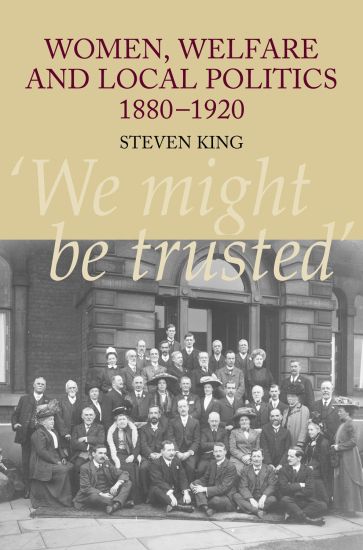
Women, Welfare and Local Politics, 1880-1920

Women, Welfare and Local Politics, 1880-1920

Steven King

Sussex Academic Press
2006
sidottu
Held back by the property qualifications needed to vote and stand as candidates in a range of local elections, female activists and feminists nonetheless formed local pressure groups to make their voices heard. When the property qualification was removed in the 1890s, they staked their claim to a formal engagement in public life, and by the early 20th century there were over 1000 female poor law Guardians. This book offers a reappraisal of the role of women in the politics and practice of welfare in late Victorian and early Edwardian England. Focusing on the Lancashire mill town of Bolton, it traces the emergence of a core of female social and political activists from the 1860s and analyses their achievements as they rose from the humble origins of a workhouse visiting committee to become pivotal players in the formulation and implementation of local welfare policy after 1894. Using a unique working diary written by the activist and female poor law Guardian Mary Haslam, the book portrays these Bolton women as sophisticated political operators. The author challenges established notions that women involved in local welfare administration were resented and achieved little, showing their importance in the process by which Bolton Poor Law Union moved from being one of the most backward and obstructive to one of the most progressive and dynamic in the country, adopting best practice from Britain and overseas and revolutionising the material and psychological fabric of the poor law.