Kirjojen hintavertailu. Mukana 12 390 323 kirjaa ja 12 kauppaa.

Kirjailija

Steven L. Kuhn

Kirjat ja teokset yhdessä paikassa: 4 kirjaa, julkaisuja vuosilta 2014-2020, suosituimpien joukossa The Evolution of Paleolithic Technologies. Vertaile teosten hintoja ja tarkista saatavuus suomalaisista kirjakaupoista.

4 kirjaa

Kirjojen julkaisuhaarukka 2014-2020.

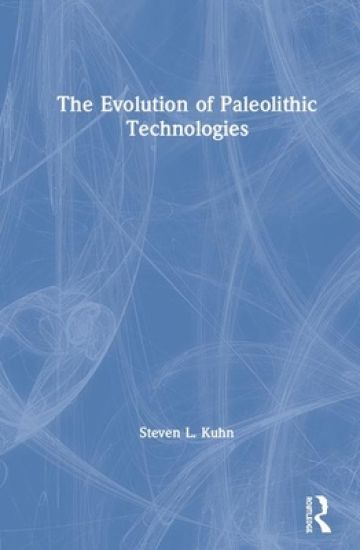
The Evolution of Paleolithic Technologies
The Evolution of Paleolithic Technologies provides a novel perspective on long-term trajectories of evolutionary change in Paleolithic tools and tool-makers. Members of the human lineage have been producing stone tools for more than 3 million years. These artefacts provide key evidence for important evolutionary developments in hominin behaviour and cognition. Avoiding conventional approaches based on progressive stages of development, this book instead examines global trends in six separate dimensions of technological behaviour between 2.6 million and 10,000 years ago. Combining these independent trends results in both a broader and a more finely punctuated perspective on key intervals of change in hominin behaviour. To draw this picture together, the concluding section explores behavioural, cognitive, and demographic implications of developments in material culture and technological procedures at seven key intervals during the Pleistocene.Researchers interested in Paleolithic archaeology will find this book invaluable. It will also be of interest to archaeologists researching stone tool technology and to students of human evolution and behavioural change in prehistory.
The Evolution of Paleolithic Technologies
The Evolution of Paleolithic Technologies provides a novel perspective on long-term trajectories of evolutionary change in Paleolithic tools and tool-makers. Members of the human lineage have been producing stone tools for more than 3 million years. These artefacts provide key evidence for important evolutionary developments in hominin behaviour and cognition. Avoiding conventional approaches based on progressive stages of development, this book instead examines global trends in six separate dimensions of technological behaviour between 2.6 million and 10,000 years ago. Combining these independent trends results in both a broader and a more finely punctuated perspective on key intervals of change in hominin behaviour. To draw this picture together, the concluding section explores behavioural, cognitive, and demographic implications of developments in material culture and technological procedures at seven key intervals during the Pleistocene.Researchers interested in Paleolithic archaeology will find this book invaluable. It will also be of interest to archaeologists researching stone tool technology and to students of human evolution and behavioural change in prehistory.
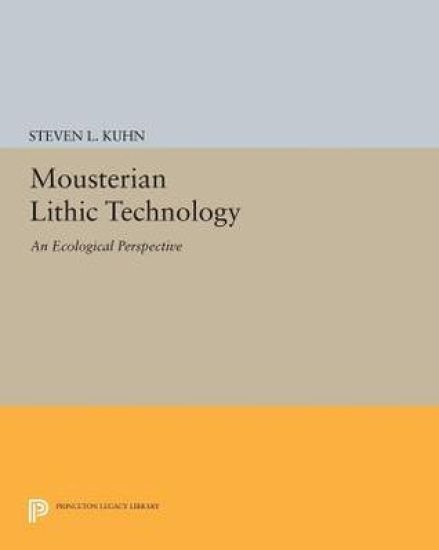
Mousterian Lithic Technology

Mousterian Lithic Technology

Steven L. Kuhn

Princeton University Press
2016
sidottu
Human beings depend more on technology than any other animal--the use of tools and weapons is vital to the survival of our species. What processes of biocultural evolution led to this unique dependence? Steven Kuhn turns to the Middle Paleolithic (Mousterian) and to artifacts associated with Neanderthals, the most recent human predecessors. His study examines the ecological, economic, and strategic factors that shaped the behavior of Mousterian tool makers, revealing how these hominids brought technological knowledge to bear on the basic problems of survival. Kuhn's main database consists of assemblages of stone artifacts from four caves and a series of open-air localities situated on the western coast of the Italian peninsula. Variations in the ways stone tools were produced, maintained, and discarded demonstrate how Mousterian hominids coped with the problems of keeping mobile groups supplied with the artifacts and raw materials they used on a daily basis. Changes through time in lithic technology were closely tied to shifting strategies for hunting and collecting food. Some of the most provocative findings of this study stem from observations about the behavioral flexibility of Mousterian populations and the role of planning in foraging and technology. Originally published in 1995. The Princeton Legacy Library uses the latest print-on-demand technology to again make available previously out-of-print books from the distinguished backlist of Princeton University Press. These editions preserve the original texts of these important books while presenting them in durable paperback and hardcover editions. The goal of the Princeton Legacy Library is to vastly increase access to the rich scholarly heritage found in the thousands of books published by Princeton University Press since its founding in 1905.
Mousterian Lithic Technology

Mousterian Lithic Technology

Steven L. Kuhn

Princeton University Press
2014
pokkari
Human beings depend more on technology than any other animal--the use of tools and weapons is vital to the survival of our species. What processes of biocultural evolution led to this unique dependence? Steven Kuhn turns to the Middle Paleolithic (Mousterian) and to artifacts associated with Neanderthals, the most recent human predecessors. His study examines the ecological, economic, and strategic factors that shaped the behavior of Mousterian tool makers, revealing how these hominids brought technological knowledge to bear on the basic problems of survival. Kuhn's main database consists of assemblages of stone artifacts from four caves and a series of open-air localities situated on the western coast of the Italian peninsula. Variations in the ways stone tools were produced, maintained, and discarded demonstrate how Mousterian hominids coped with the problems of keeping mobile groups supplied with the artifacts and raw materials they used on a daily basis. Changes through time in lithic technology were closely tied to shifting strategies for hunting and collecting food. Some of the most provocative findings of this study stem from observations about the behavioral flexibility of Mousterian populations and the role of planning in foraging and technology. Originally published in 1995. The Princeton Legacy Library uses the latest print-on-demand technology to again make available previously out-of-print books from the distinguished backlist of Princeton University Press. These editions preserve the original texts of these important books while presenting them in durable paperback and hardcover editions. The goal of the Princeton Legacy Library is to vastly increase access to the rich scholarly heritage found in the thousands of books published by Princeton University Press since its founding in 1905.