Kirjojen hintavertailu. Mukana 12 444 617 kirjaa ja 12 kauppaa.

Kirjailija

Steven M. Bartell

Kirjat ja teokset yhdessä paikassa: 2 kirjaa, julkaisuja vuosilta 2024-2026, suosituimpien joukossa Biophysical Economy. Vertaile teosten hintoja ja tarkista saatavuus suomalaisista kirjakaupoista.

2 kirjaa

Kirjojen julkaisuhaarukka 2024-2026.

Biophysical Economy

Biophysical Economy

Steven M. Bartell

TAYLOR FRANCIS LTD
2026
nidottu
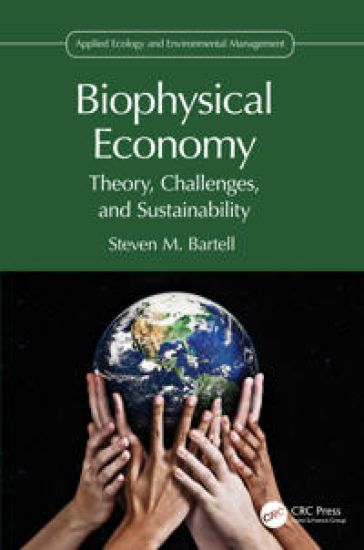
This book explores the concept of transforming the current macroeconomic system from one based on continuous growth that doesn’t recognize the fundamental importance of Earth's natural support structures, to a system consistent with the basic views of biophysical economics that acknowledges that all real wealth ultimately derives from planetary resources, both renewable and non-renewable. It describes how data and information collected by various institutions, government agencies, and the private sector can be integrated with existing management structures to transform the “continuous growth” economy into an economy that functions within understandable boundaries on a finite planet. Features Stimulates discussions of the feasibility of a biophysical economy. Discusses the historical developments of biophysical economics. Offers a practical approach to building a biophysical economy. Explores the human experience of living in a biophysical economy. Emphasizes the fragility of life in the Universe as we know it. This book is an excellent resource for academics and students studying sustainable development, as well as for professionals working in the private sector and public institutions with an interest in economic planning for a sustainable future.
Biophysical Economy

Biophysical Economy

Steven M. Bartell

TAYLOR FRANCIS LTD
2024
sidottu
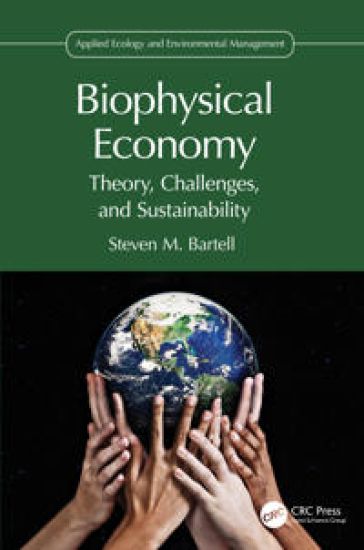
This book explores the concept of transforming the current macroeconomic system from one based on continuous growth that doesn’t recognize the fundamental importance of Earth's natural support structures, to a system consistent with the basic views of biophysical economics that acknowledges that all real wealth ultimately derives from planetary resources, both renewable and non-renewable. It describes how data and information collected by various institutions, government agencies, and the private sector can be integrated with existing management structures to transform the “continuous growth” economy into an economy that functions within understandable boundaries on a finite planet. FeaturesStimulates discussions of the feasibility of a biophysical economy.Discusses the historical developments of biophysical economics.Offers a practical approach to building a biophysical economy.Explores the human experience of living in a biophysical economy.Emphasizes the fragility of life in the Universe as we know it.This book is an excellent resource for academics and students studying sustainable development, as well as for professionals working in the private sector and public institutions with an interest in economic planning for a sustainable future.