Kirjojen hintavertailu. Mukana 12 200 431 kirjaa ja 12 kauppaa.
Kirjailija
Steven Moss
Kirjat ja teokset yhdessä paikassa: 6 kirjaa, julkaisuja vuosilta 2013-2022, suosituimpien joukossa Jewish Wisdom for Living and Dying. Vertaile teosten hintoja ja tarkista saatavuus suomalaisista kirjakaupoista.
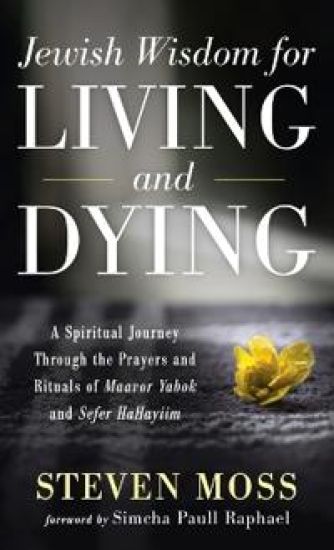
Numerous ritual manuals from the Jewish tradition have been written outlining the prayers and ceremonies that can be offered to the sick, the dying, and the dead. Two of the most outstanding of these manuals are Maavor Yabok and Sefer HaHayiim from the seventeenth and eighteenth centuries, respectively. This is the first book to analyze and compare these two important works, showing how they differ and compare. Emphasis is placed on the analysis of the prayers and rituals presented in Maavor Yabok and their spiritual underpinnings taken from the tradition of Kabbalah, Jewish mysticism. This book can be useful to those individuals who are sick or dying and looking for help and comfort from the Jewish sources. It is written, however, as a challenge to those in the Jewish community today, especially workers in Jewish burial societies, the Chevra Kadisha, to take these manuals and re-write them for the twenty-first century, including the spiritual directives to make these rituals and prayers more meaningful not only for their recipients but for those offering them.
The Space Age began just as the struggle for civil rights forced Americans to confront the long and bitter legacy of slavery, discrimination, and violence against African Americans. Presidents John F. Kennedy and Lyndon Johnson utilized the space program as an agent for social change, using federal equal employment opportunity laws to open workplaces at NASA and NASA contractors to African Americans while creating thousands of research and technology jobs in the Deep South to ameliorate poverty. We Could Not Fail tells the inspiring, largely unknown story of how shooting for the stars helped to overcome segregation on earth.Richard Paul and Steven Moss profile ten pioneer African American space workers whose stories illustrate the role NASA and the space program played in promoting civil rights. They recount how these technicians, mathematicians, engineers, and an astronaut candidate surmounted barriers to move, in some cases literally, from the cotton fields to the launching pad. The authors vividly describe what it was like to be the sole African American in a NASA work group and how these brave and determined men also helped to transform Southern society by integrating colleges, patenting new inventions, holding elective office, and reviving and governing defunct towns. Adding new names to the roster of civil rights heroes and a new chapter to the story of space exploration, We Could Not Fail demonstrates how African Americans broke the color barrier by competing successfully at the highest level of American intellectual and technological achievement.
Gastric cancer is the second most common cause of cancer mortality worldwide. Although the incidence of gastric cancer has declined over the past century in the United States, it remains one of the most common gastrointestinal neoplasms, particularly in immigrants and the socio-economically deprived. Recent years have seen major advances in our understanding of the pathogenesis of gastric cancer (especially regarding the importance of Helicobacter pylori and its associated inflammatory response) and the emergence of adjuvant oncologic therapies of proven benefit for advanced cases, in addition to surgery. As for gastric adenocarcinoma, elucidation of the underlying biology and molecular pathogenesis has led to much progress in the management of two other malignant gastric neoplasms, gastrointestinal stromal tumors and marginal zone B-cell ("MALT?) lymphomas. This monograph highlights these developments, presenting an updated overview of gastric cancer that will be of interest to all practicing gastroenterologists.